
In today’s healthcare environment, biosafety and effective sterilization workflows have become paramount, especially in clinical and laboratory settings. Hospitals in Rotterdam have taken a significant step forward by incorporating portable micro incinerators into their waste management protocols. These innovative devices not only streamline laboratory sterilization processes but also enhance safety and compliance with international standards.
Key Laboratory Biosafety Challenges
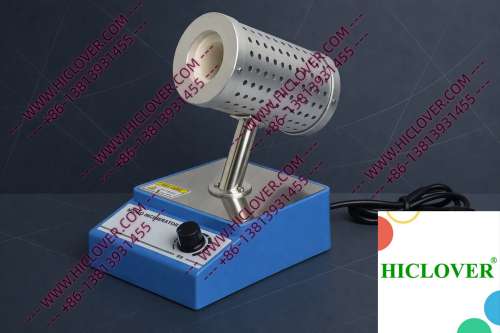
Laboratories face a multitude of challenges concerning contamination control, especially in environments such as BSL-2 and BSL-3 microbiology labs. Traditional sterilization methods, such as alcohol lamps and Bunsen burners, pose inherent risks: they can generate aerosols, produce contaminants, and are less efficient in specific applications. In light of these challenges, hospitals and laboratories are increasingly turning to portable solutions like the Micro Incinerator / Infrared Inoculating Loop Sterilizer, designed to meet stringent laboratory demands.
Technical Principles of Micro Incinerators
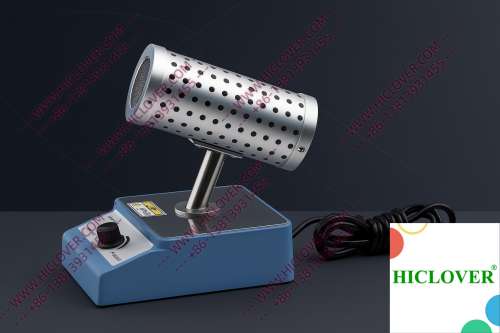
The Micro Incinerator operates on the principle of rapid thermal sterilization using infrared heat generated within an enclosed ceramic tube. This design allows for high-temperature disinfection, ensuring that any biological material present on inoculating loops, needles, or other laboratory implements is effectively neutralized in seconds. Unlike traditional flame sterilizers, infrared sterilizers provide a clean-bench-safe environment, minimizing the risk of contamination from open flames.
- Infrared High-Temperature Disinfection: Offers rapid and efficient sterilization.
- Ceramic Heating Chamber: Ensures consistent heat distribution without the risk of flare-ups.
- Aerosol-Free Handling: Ideal for biosafety cabinets and sensitive laboratory environments.
Application Scenarios in Laboratories
1. Biosafety Cabinet Operations
In BSL-2 and BSL-3 labs, the use of a Micro Incinerator within a biosafety cabinet allows personnel to sterilize equipment without risking contamination. The closed design ensures that no aerosols are released into the workspace, preserving sample integrity and safeguarding laboratory staff.
2. Field Testing Environments
Mobile laboratories, often deployed in remote or field-testing scenarios, have much to gain from portable micro incinerators. Their lightweight and compact design allows for easy transport, enabling quick and efficient sterilization even in challenging conditions. These units provide an essential service in epidemic responses and outdoor research operations while maintaining high standards of biosafety.
Compliance with Global Sterilization Standards
Adhering to WHO biosafety standards is crucial for laboratories working with infectious agents. The incorporation of the Micro Incinerator aligns with best practices in laboratory sterilization. With no open flame, these devices not only comply with clean room requirements but also reduce the risks associated with traditional flame sterilizers.
Furthermore, compliance with laboratory sterilization standards—such as those outlined by the Centers for Disease Control and Prevention (CDC)—is easily achievable. These guidelines emphasize the importance of eliminating inadvertent exposure to pathogens, an area where modular systems like micro incinerators shine due to their reliable sterilization outcomes.
Advantages Over Traditional Flame Sterilizers
While traditional flame sterilizers have long been a staple in lab operations, they present several disadvantages:
| Feature | Micro Incinerator | Flame Sterilizers |
|---|---|---|
| Risk of Contamination | Low | High (aerosols) |
| Safety in Clean Rooms | Yes | No |
| Time Efficiency | Rapid | Variable |
| Portability | High | Moderate |
As shown, the Micro Incinerator not only meets the evolving needs of modern laboratories but also enhances operational safety and efficiency.
FAQs
What is a Micro Incinerator?
A Micro Incinerator is a portable sterilization device that uses infrared heat for rapid thermal sterilization of laboratory instruments, reducing the risk of contamination.
How does infrared sterilization compare to traditional flame methods?
Infrared sterilization minimizes the risk of biological aerosols and eliminates the dangers associated with open flames, providing a safer and more efficient alternative.
Can the Micro Incinerator be used in various laboratory settings?
Yes, the Micro Incinerator is versatile and can be effectively used in BSL-2 and BSL-3 labs, field testing scenarios, and university teaching laboratories.
What are the compliance benefits of using a Micro Incinerator?
It ensures adherence to WHO biosafety standards and CDC guidelines, contributing to safer laboratory environments and better contamination control.
Is the Micro Incinerator portable?
Yes, its compact design allows for easy transport, making it ideal for various applications, including mobile or field testing labs.
Conclusion
As the demands of laboratory biosafety continue to evolve, Rotterdam hospitals have made a pivotal advancement by adopting portable micro incinerators. These devices not only meet strict sterilization standards but also provide unparalleled safety and efficiency in the lab environment. If you’re looking to enhance your sterilization processes and improve compliance, consider integrating the Micro Incinerator into your laboratory practices. For more information or to inquire about purchasing, feel free to reach out.
Categories:
Tags: