
In the realm of laboratory safety and efficiency, sterilization is pivotal. Laboratories face various biosafety challenges, particularly with the need for effective, efficient sterilization methods. Traditional methods, such as Bunsen burners or alcohol lamps, though effective, can impose risks of open flames, increased contamination, and hazardous aerosol generation, which are concerns not just for laboratory personnel, but also for the surrounding environment. As research facilities, teaching laboratories, and even field-testing environments evolve, the need for more innovative solutions arises. Enter the Micro Incinerator, or Infrared Inoculating Loop Sterilizer, a revolutionary advancement in laboratory sterilization equipment.
Technical Principles Behind Micro Incinerators
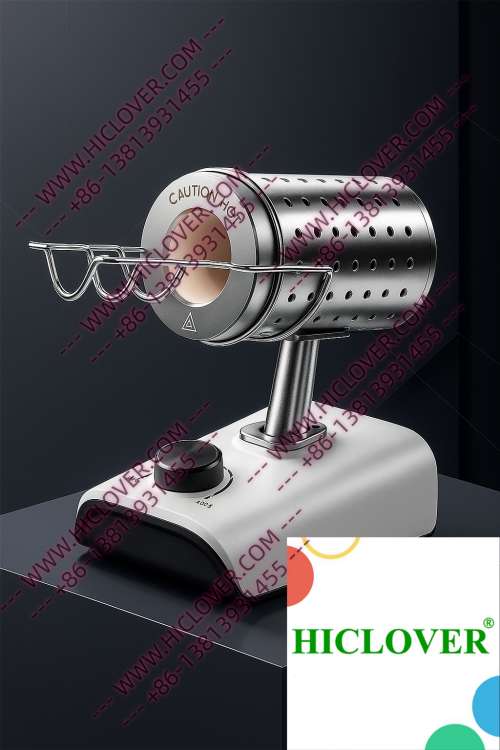
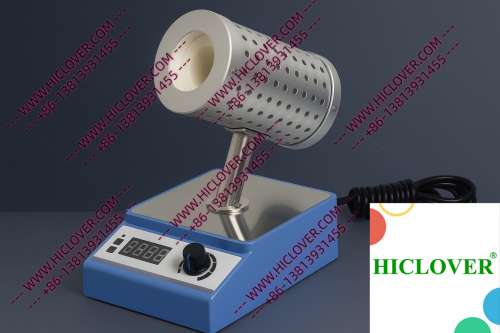
Micro Incinerators utilize infrared heat technology that offers a rapid thermal sterilization process. Unlike traditional flame sterilizers, these devices feature an enclosed ceramic heating chamber that enables controlled and efficient heating. The ceramic tube heats up quickly, creating a high-temperature environment capable of achieving effective microbial eradication without the risks associated with open flames.
One of the most significant benefits of using a Micro Incinerator is its ability to provide clean-bench-safe operation. Given the enclosed design, these units minimize the likelihood of aerosol generation, making them suitable for use in sensitive environments such as biosafety cabinets and cleanrooms.
Applications in Real Laboratory Settings
- Biosafety Cabinet: Utilizing a Micro Incinerator within a biosafety cabinet allows microbiologists to efficiently sterilize inoculating loops while minimizing contamination risks. The infrared high-temperature disinfection ensures complete sterilization in mere seconds, allowing for rapid workflows and enhanced safety protocols.
- Teaching Labs: In academic settings where students are learning microbiological techniques, the use of Micro Incinerators provides a safer alternative to flame sterilizers. It reinforces proper training in sterilization techniques while reducing the risk of accidents associated with open flames, creating a safer learning environment.
- How does a Micro Incinerator work?
It uses infrared heat to rapidly sterilize inoculating loops and other tools in a safe, enclosed ceramic chamber. - Can Micro Incinerators be used in BSL-3 labs?
Yes, they meet the biosafety compliance requirements for BSL-3 labs, offering a safe alternative to open flame devices. - What are the advantages of using a Micro Incinerator over a Bunsen burner?
Micro Incinerators are safer, more efficient, and environmentally friendly, with reduced contamination risks. - Are Micro Incinerators energy-efficient?
Yes, they consume significantly less energy than traditional flame sterilizers while providing faster sterilization. - Can Micro Incinerators be used in teaching labs?
Absolutely, they provide a safe learning environment for students practicing microbiological techniques.
Compliance with Biosafety Standards
Adhering to biosafety standards is paramount in laboratory settings. The World Health Organization (WHO) and various local regulatory authorities have established guidelines for laboratory sterilization that emphasize safety and effectiveness. Micro Incinerators meet these stringent biosafety compliance requirements, making them a preferred choice for BSL-2 and BSL-3 microbiology labs.
In particular, facilities operating under strict regulations regarding open flame devices—like those found in cleanrooms or when handling sensitive materials in CO₂ incubators—find the Micro Incinerator exceptionally advantageous. The elimination of flames aligns with industry standards and enhances safety protocols. Laboratories can incorporate these devices without compromising operational efficiency.
Advantages Over Traditional Sterilizers
| Feature | Micro Incinerator | Flame Burners |
|---|---|---|
| Operational Safety | Enclosed design prevents contamination and aerosol generation | Open flame can ignite or cause accidents |
| Heat Source | Infrared heating for rapid thermal sterilization | Combustion-based heating |
| Efficiency | Immediate heat-up and sterilization | Requires warming up time |
| Energy Consumption | Low energy usage | Higher energy consumption due to flame maintenance |
| Application Versatility | Ideal for biosafety cabinets, teaching labs, and field testing | Limited use in sensitive environments |
Encouraging Safe and Efficient Laboratory Practices
As laboratories continue to embrace modernization in sterilization techniques, the Micro Incinerator stands out as an innovative solution to age-old challenges. With the ability to operationalize safety and efficiency, this equipment not only facilitates compliance with established biosafety standards but also enhances overall laboratory workflow.
FAQs
In conclusion, the introduction of energy-saving Micro Incinerators and Infrared Inoculating Loop Sterilizers reshapes the landscape of laboratory waste management and sterilization. By enhancing safety, compliance, and efficiency, these devices are indispensable for modern laboratories—from hospital settings to educational institutions. For laboratories looking to upgrade their sterilization practices, the Micro Incinerator offers a powerful solution that not only reduces risk but also supports ongoing efforts in contamination control.
Don’t hesitate to reach out for inquiries or to explore options for purchasing a Micro Incinerator for your facility.
Categories:
Tags: