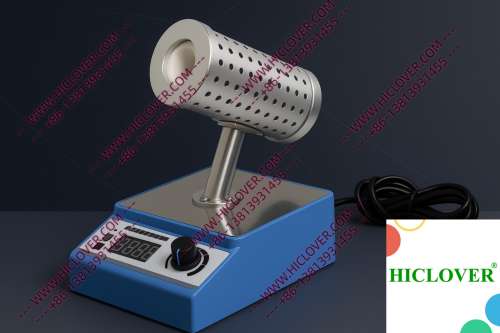
In the fast-paced environments of clinical diagnostics and research laboratories, the need for effective sterilization tools is paramount. Biosafety challenges abound, be it in the context of managing pathogen-contaminated materials or ensuring the rigid protocols set by regulatory bodies are strictly followed. As labs strive to adhere to international biosafety standards, having the right laboratory sterilization equipment is critical, and in this context, the Micro Incinerator / Infrared Inoculating Loop Sterilizer emerges as a game-changer.
Understanding the Technical Principles
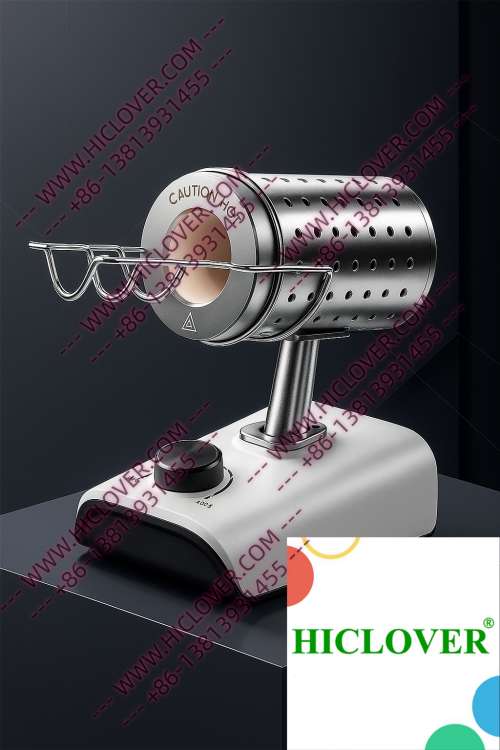
The Micro Incinerator operates on the principle of rapid thermal sterilization using infrared heat. Instead of an open flame, which can pose various safety and contamination risks, this innovative device utilizes a high-temperature ceramic heating chamber. This design enables consistent, controlled sterilization, making it exceptionally effective for deactivating pathogens present on inoculating loops, pipettes, and other lab tools.
With a compact and closed-loop system, the burner minimizes the risk of aerosol generation, a critical consideration in laboratory environments, particularly in BSL-2 and BSL-3 microbiology labs where pathogenic organisms are handled. The infrared technology not only enhances efficiency but also ensures that the sterilization process is quick, requiring only seconds to achieve effective results.
Application Scenarios in Real Laboratories
1. Clinical Diagnostics Laboratories
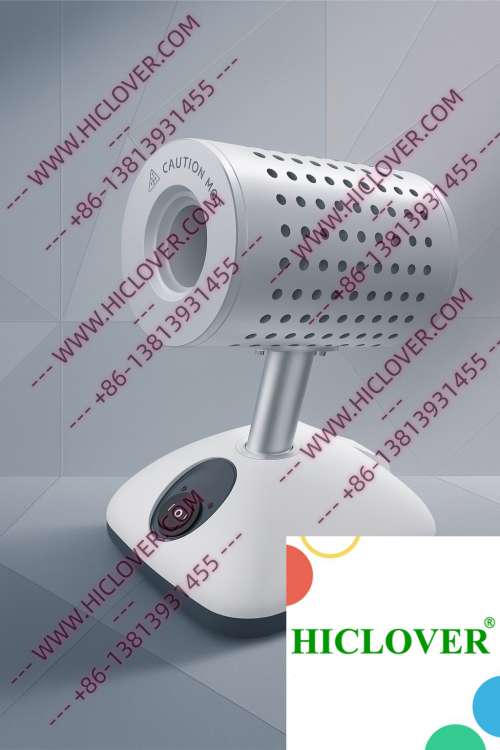
In a clinical diagnostics laboratory, accurate sterilization is essential, especially when using inoculating loops to transfer samples to culture media. The Micro Incinerator provides a clean-bench-safe method to sterilize these tools quickly. Traditional flame sterilizers, such as alcohol lamps and Bunsen burners, can produce soot and require significant maintenance, whereas the infrared sterilizer eliminates these issues, promoting a cleaner working environment.
2. Teaching Laboratories
In university teaching labs, the emphasis on safety is paramount. The Micro Incinerator offers an ideal solution for students learning about microbiological techniques. Its user-friendly design allows students to perform sterilization with minimal risk of accidents associated with open flames, making the teaching process smooth and ensuring compliance with safety protocols.
Regulatory Compliance and Environmental Considerations
Complying with international biosafety standards, particularly those set by the World Health Organization (WHO), is critical for labs engaged in microbial work. The Micro Incinerator supports adherence to these standards by providing a flame-free sterilization option that is both effective and safe for clean rooms. This compliance is crucial in maintaining a contamination-free environment, which is indispensable not only for research integrity but also for public health.
The environmental benefits of using the Micro Incinerator are also significant. By eliminating the need for alcohol or other flammable sterilizing agents, laboratories can reduce hazardous waste and improve workplace safety.
Advantages Over Traditional Flame Sterilizers
When comparing the Micro Incinerator with traditional flame-based sterilizers, the advantages become apparent:
- Safety: No open flames reduce the risk of burns and fire hazards.
- Efficiency: Allows for rapid, repeated sterilization without prolonged cooling periods.
- Cleanliness: Reduces soot and other residues from traditional flame sterilizers.
- Easy to use: Less training required for new users, making it ideal for labs with a rotating staff.
Comparison Table: Micro Incinerator vs. Flame Burners
| Feature | Micro Incinerator | Flame Burners |
|---|---|---|
| Heat Source | Infrared | Open Flame |
| Safety Level | High | Moderate to Low |
| Ease of Use | Simple | Requires Training |
| Operational Time | Seconds | Minutes |
| Aerosol Production | None | Potentially High |
Frequently Asked Questions (FAQs)
What types of laboratories benefit the most from using a Micro Incinerator?
The Micro Incinerator is particularly beneficial in BSL-2 and BSL-3 laboratories, teaching facilities, and sometimes even field testing labs due to its efficiency and safety features.
How does the Micro Incinerator ensure compliance with biosafety standards?
By providing a flame-free sterilization method that minimizes contamination risks and eliminates the need for hazardous materials, the Micro Incinerator aligns with WHO biosafety guidelines and laboratory sterilization standards.
Can the Micro Incinerator be used for sterilizing other equipment aside from inoculating loops?
Yes, the Micro Incinerator can sterilize various lab instruments like glass pipettes and wire loops, making it a versatile tool in different laboratory settings.
Is the Micro Incinerator portable for field testing?
Yes, its compact design makes the Micro Incinerator suitable for mobile laboratories and field testing applications.
How does the Micro Incinerator compare to traditional sterilization methods in terms of efficiency?
The Micro Incinerator provides faster sterilization times and minimal cooldown periods compared to traditional methods, significantly improving the workflow in busy laboratory environments.
Conclusion
In an era where laboratory efficiency and biosafety are paramount, the Micro Incinerator / Infrared Inoculating Loop Sterilizer stands out as a revolutionary solution for waste management and sterilization. Its design not only streamlines workflow but also enhances safety and compliance with critical standards in laboratories. As demand for biosafety compliance increases in Muscat and beyond, consider adopting the Micro Incinerator as an essential part of your laboratory setup. For inquiries and purchases, don’t hesitate to reach out to us for further guidance and assistance.
Categories:
Tags: