In today’s rapidly evolving laboratory environment, maintaining biosafety is paramount for research integrity. Laboratory staff face significant challenges when it comes to efficient sterilization processes without risking contamination or safety. The conventional methods of sterilization, such as alcohol lamps and Bunsen burners, while widely used, come with inherent dangers and limitations. As laboratories strive for cleaner, safer, and more efficient solutions, bench-top micro incinerators have emerged as a revolutionary alternative.
Introducing the Micro Incinerator: Technical Configuration
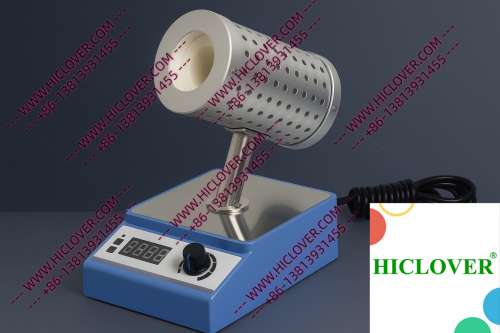
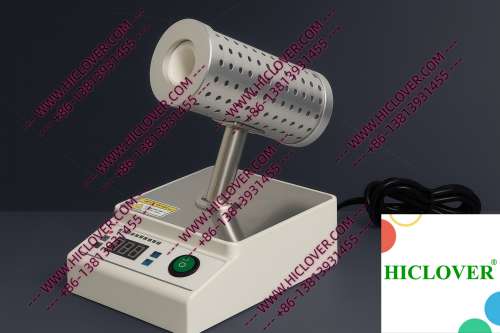
The Micro Incinerator, or Infrared Inoculating Loop Sterilizer, operates on the principles of rapid thermal sterilization using infrared heat. Unlike traditional flame sterilizers, this sophisticated equipment utilizes an enclosed ceramic tube that provides high-temperature disinfection without the risk of open flames. The quick heating element allows for aerosol-free handling of sterile tools, ensuring a clean and safe environment while effectively eliminating microbial life.
Key Features of Micro Incinerators
- Rapid Sterilization: Achieves high temperatures in seconds, allowing for prompt sterilization of inoculating loops and other lab instruments.
- Safety: Designed for clean-bench-safe operations, minimizing the risk of fire hazards in sensitive laboratory environments.
- Energy Efficiency: Consumes less energy compared to traditional flame burners, contributing to sustainable laboratory practices.
- Versatility: Ideal for various applications from BSL-2 to BSL-3 laboratories, clinical diagnostics, and university teaching labs.
- Micro Incinerators are deemed compliant for use in clean rooms due to their closed design, eliminating the risks associated with open flames.
- They enable laboratories to meet stringent regulations related to chemical safety, particularly in facilities where the use of alcohol and other flammable sterilizers may pose hazards.
Application Scenarios: Real-World Uses of Micro Incinerators
Micro Incinerators find numerous applications across different laboratory settings, showcasing their versatility and effectiveness in various situations:
1. Biosafety Cabinet Operations
In BSL-2 and BSL-3 microbiology labs, maintaining a sterile environment is vital. The Micro Incinerator provides an efficient solution for staff to sterilize inoculating loops while working in a biosafety cabinet. This closed system minimizes cross-contamination risks by allowing immediate sterilization, thus adhering to strict biosafety protocols.
2. Field Testing Laboratories
Mobile and field testing labs benefit significantly from the portability and ease of use of the Micro Incinerator. As samples are collected and analyzed outside of the traditional laboratory environment, immediate sterilization of tools prevents contamination and ensures the integrity of field data. This capability is especially vital in remote regions, where access to sterile conditions may be limited.
Compliance with Biosafety Standards
The use of Micro Incinerators aligns with the World Health Organization (WHO) biosafety guidelines, promoting effective sterilization while adhering to rigorous lab sterilization standards. Many laboratories are mandated to comply with these standards, especially when it comes to sterilization processes. Notably:
Advantages Over Traditional Flame Sterilizers
When comparing Micro Incinerators with traditional flame sterilizers like alcohol lamps and Bunsen burners, several advantages become apparent:
| Feature | Micro Incinerator | Flame Sterilizers |
|---|---|---|
| Open Flame Risk | No | Yes |
| Aerosol-Free Handling | Yes | No |
| Thermal Efficiency | Rapid (<30 seconds) | Slower |
| Energy Consumption | Low | High |
FAQs: Understanding Micro Incinerators
Q1: How long does it take the Micro Incinerator to sterilize instruments?
The Micro Incinerator typically reaches optimal sterilization temperatures in less than 30 seconds, making it significantly faster than conventional flame sterilizers.
Q2: Are Micro Incinerators safe to use in clean rooms?
Yes, Micro Incinerators are designed to be clean-bench-safe, meaning they can be used safely in environments that require stringent contamination control.
Q3: Can the Micro Incinerator be used for various sterilization tasks?
Absolutely! It is versatile enough for use in clinical diagnostics, microbiological research, and university teaching laboratories. It effectively sterilizes inoculating loops, needles, and small instruments.
Q4: What are the maintenance requirements for a Micro Incinerator?
Maintenance is minimal; regular cleaning of the ceramic chamber and inspection for wear and tear are recommended to ensure longevity and performance.
Q5: Where can I purchase a Micro Incinerator?
Micro Incinerators are available from various laboratory supply distributors and manufacturers. It’s best to contact them for inquiries on pricing and availability.
Conclusion: Join the Sterilization Revolution
The shift towards adopting micro incinerators represents a pivotal enhancement in laboratory sterilization practices, offering unmatched safety, efficiency, and compliance with global standards. As hospitals, universities, and research centers strive to enhance their sterilization workflows, the Micro Incinerator stands out as a top-tier solution to meet evolving laboratory needs. For more information or to procure your micro incinerator, please reach out now—transform your lab’s sterilization practices today!
Categories:
Tags: