
In the relentless pursuit of biosafety and contamination control within laboratories, efficient sterilization remains a paramount challenge. This dilemma is particularly pronounced in environments such as BSL-2 and BSL-3 microbiology labs where precision and speed are vital in managing microbial specimens. As laboratory sterilization workflows evolve, the demand for advanced solutions has led to the rise of Continuous Heat Micro Incinerators, notably the Micro Incinerator / Infrared Inoculating Loop Sterilizer. These innovative devices are not only enhancing sterilization practices but are also setting new standards in cleanroom safety and operational efficiency.
Technical Principles of Micro Incinerators
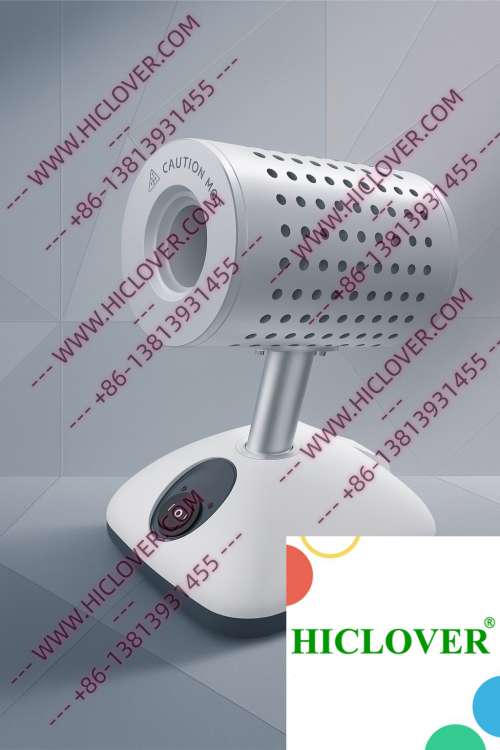
The Micro Incinerator relies on infrared heat technology to achieve rapid thermal sterilization. At the heart of this device is an enclosed ceramic heating chamber, which allows for high-temperature disinfection without the need for an open flame. Unlike traditional flame sterilizers such as alcohol lamps and Bunsen burners, which can produce potentially hazardous aerosols, Micro Incinerators ensure an aerosol-free handling environment, making them ideal for sensitive applications in clean laboratories.
The primary operating principle involves the generation of infrared radiation within the ceramic tube. This radiation heats inoculating loops, needles, and other metal instruments to temperatures surpassing 800°C, effectively eliminating all forms of microbial life, including spores. The compact design not only conserves space in laboratory settings but also enhances worker safety and minimizes the risk of contamination.
Application Scenarios in Real Labs
1. Biosafety Cabinets
In university teaching labs and clinical diagnostics, the use of Micro Incinerators within biosafety cabinets has become increasingly common. These enclosed spaces are designed to protect both the operator and the samples from contamination. Integrating a Micro Incinerator into the workflow allows instructors and lab technicians to perform sterilization tasks without compromising the sterile environment. This is especially critical during bacterial culture preparation or genetic engineering activities where pathogen exposure must be strictly controlled.
2. Mobile and Field Testing Labs
Field testing in remote locations presents a unique set of challenges, particularly regarding waste management and sterilization. Micro Incinerators offer a portable solution for researchers conducting environmental analysis and sample collections outside of traditional laboratory environments. By utilizing a Micro Incinerator, these labs can manage biohazardous waste on-site, ensuring that they meet compliance standards without the need to transport potentially infectious materials back to the main facility.
Compliance and Environmental Considerations
Current laboratory sterilization standards increasingly emphasize the need for safe and effective waste management solutions. The World Health Organization (WHO) has established stringent guidelines regarding biosafety practices to mitigate risks associated with infectious agents. Moreover, in clean room environments, the absence of flame is a central parameter in meeting safety regulations.
Micro Incinerators not only align with these biosafety standards but also offer a significant advantage over traditional flame sterilizers by eliminating the risk of fire-related accidents and aerosol generation. This compliance is crucial in sectors like clinical diagnostics and academic research, where maintaining integrity and safety is non-negotiable.
Advantages Over Traditional Flame Sterilizers
The shift towards micro incineration technology represents a fundamental improvement in laboratory sterilization practices. Consider the following table comparing Micro Incinerators with traditional flame sterilizers:
| Feature | Micro Incinerator | Flame Sterilizers |
|---|---|---|
| Heating Method | Infrared ceramic heating | Open flame (Bunsen burner, alcohol lamp) |
| Aerosol Generation | No aerosols | Can generate hazardous aerosols |
| Safety and Compliance | High fire safety; conforms to biosafety standards | Higher risk of accidents; may not comply with cleanroom norms |
| Temperature Control | Precise thermal control | Variable, dependent on flame strength |
Frequently Asked Questions
- What is the maximum temperature of a Micro Incinerator?
Micro Incinerators typically reach temperatures over 800°C, ensuring thorough sterilization. - Can a Micro Incinerator be used in a field laboratory?
Yes, their portable design makes them ideal for use in field testing and mobile lab setups. - How does a Micro Incinerator improve biosafety?
By eliminating the need for flames, they prevent aerosol generation and enhance overall safety in sterile environments.
Conclusion
As lab environments continue to evolve, the incorporation of Continuous Heat Micro Incinerators is proving to be a game-changer in sterilization practices. These devices not only adhere to rigorous biosafety standards but also align with the laboratory’s operational demands. For organizations looking to enhance their sterilization workflows with advanced technology, investing in Micro Incinerators is a forward-thinking choice that promotes safety, efficiency, and compliance.
For more information or to request a quote for your laboratory’s sterilization needs, don’t hesitate to reach out to us!
Categories:
Tags: