
In the ever-evolving landscape of laboratory biosafety, effective sterilization methods are crucial to ensure contamination control and uphold stringent hygiene standards. One of the core challenges laboratories face today involves implementing reliable sterilization workflows that meet compliance regulations while minimizing the risk of hazardous exposure. With this, there’s increasing recognition of the advantages of Flameless Micro Incinerators, specifically the Infrared Inoculating Loop Sterilizer, designed to offer efficient, rapid thermal sterilization solutions.
Understanding the Technology Behind Flameless Micro Incinerators
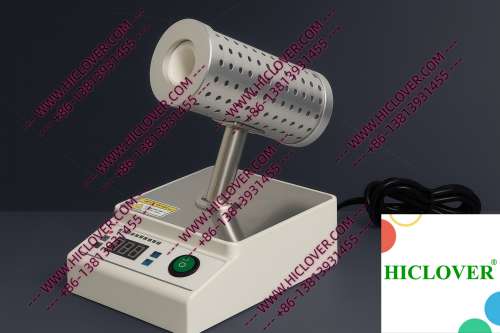
The Micro Incinerator operates using advanced infrared heating technology, encapsulated within a specially designed ceramic heating chamber. Unlike traditional flame sources such as alcohol lamps or Bunsen burners, which can introduce contaminants and create hazardous open flames, the Micro Incinerator provides a totally enclosed and focused heat source. This innovative design enables high-temperature disinfection without the risks associated with flame-based sterilization methods.
The principles of operation are straightforward yet effective. When activated, infrared lights emit high temperatures that are concentrated in the enclosed tube, resulting in rapid sterilization of inoculating loops and other lab tools. The unit’s ceramic construction not only ensures durability but also enhances safety by preventing external heat exposure, allowing for clean-bench-safe operations even in sensitive environments.
Application Scenarios in Laboratories
Micro Incinerators have a variety of applications in diverse laboratory settings. Below are two prominent scenarios where their utility is notably beneficial:
1. Biosafety Cabinets
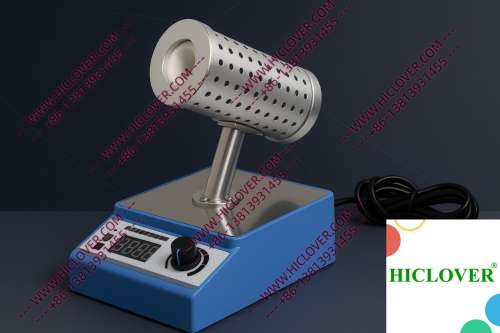
In BSL-2 and BSL-3 microbiology labs, maintaining a sterile environment is paramount. The use of Micro Incinerators allows for direct sterilization of tools within biosafety cabinets, significantly reducing the risk of airborne contamination. For instance, when working with pathogenic cultures, scientists can sterilize inoculating loops directly after use without leaving the cabinet, maintaining a closed system that is essential for high biosafety levels.
2. Clinical Diagnostics and Field Testing
In clinical diagnostics or field testing scenarios, where mobility and immediate sanitation are vital, a Micro Incinerator proves invaluable. Its compact design allows portability, making it an ideal companion for mobile labs. Field researchers can use it to sterilize equipment without the need for bulky flame sterilizers, which can be cumbersome and hazardous in outdoor environments.
Compliance and Environmental Considerations
Ensuring compliance with global biosafety standards is crucial for laboratories. According to guidelines from the World Health Organization (WHO) and various national health agencies, lab sterilization methods must adhere to stringent safety protocols. One of the crucial aspects of these protocols is the elimination of flame sources in areas like clean rooms and spaces dealing with sensitive biological samples.
- WHO Biosafety Guidelines: Stipulate that sterilization equipment needs to minimize risks of contamination.
- Lab Sterilization Standards: Specific standards on thermal sterilization methods exist, aimed at ensuring safety and effectiveness.
- Clean Room Regulations: Many regulations necessitate flameless sterilization to maintain air purity and prevent aerosol dispersion.
The Micro Incinerator provides a clear solution by meeting these compliance requirements. It operates without producing aerosols or creating open flames, thus ensuring a safer workspace while adhering to international biosafety protocols.
Advantages Over Traditional Flame Sterilizers
When comparing the Micro Incinerator to traditional flame-based sterilizers, several distinct benefits emerge:
| Feature | Micro Incinerator | Flame Sterilizers |
|---|---|---|
| Heat Source | Infrared, enclosed | Open flame |
| Contamination Control | High – no aerosols | Lower – potential for aerosol dispersion |
| Safety | Enhanced | Risky with open flames |
| Portability | Highly portable | Generally heavier and bulkier |
| Maintenance | Low | Higher, requires more cleaning |
Frequently Asked Questions (FAQs)
What is the lifespan of a Micro Incinerator?
The lifespan varies depending on usage, but with proper care, many units can last for several years.
Can Micro Incinerators be used in field testing?
Yes, these devices are highly portable and ideal for sterilization in field laboratories.
How do Micro Incinerators compare to autoclaves?
While autoclaves use steam for sterilization and require larger infrastructure, micro incinerators provide rapid sterilization and portability without water requirements.
Are Micro Incinerators compliant with WHO standards?
Yes, they are designed to meet biosafety compliance within guidelines set forth by the WHO and other regulating bodies.
What materials can be sterilized using a Micro Incinerator?
Micro Incinerators are effective for sterilizing metal inoculating loops, needles, and various small lab tools.
Conclusion: Embrace the Future of Sterilization
The integration of Flameless Micro Incinerators within laboratory settings marks a significant advancement in sterilization technology. Their ability to streamline workflows, enhance safety, and comply with rigorous biosafety standards provides a compelling reason for laboratories to consider this innovative equipment.
For institutions aiming to boost their sterilization protocols, investing in Micro Incinerators is not just a choice; it’s an essential step towards achieving superior laboratory safety and efficiency. To learn more or to make a purchase, feel free to reach out to us today!
Categories:
Tags: