
As the scientific community continuously pushes for breakthroughs in research and diagnostics, laboratory safety and sterile environments have become paramount. The challenge of ensuring thorough sterilization while managing biosafety levels, particularly in microbiology and clinical diagnostics labs, has led to increased demands for reliable laboratory sterilization equipment. Specifically, the adoption of Micro Incinerators, such as Infrared Inoculating Loop Sterilizers, has emerged as a game-changer, addressing significant workflow demands while optimizing sterilization processes.
Key Challenges in Laboratory Biosafety
Laboratories, particularly those involved in biosafety level 2 (BSL-2) and biosafety level 3 (BSL-3) operations, face numerous challenges related to contamination control. Traditional flame sterilizers, including alcohol lamps and Bunsen burners, pose various risks including aerosol generation, uneven heat distribution, and increased safety hazards. These limitations necessitate innovations in sterilization methods, where rapid thermal sterilization becomes critically important to ensure that contaminated instruments and equipment are swiftly decontaminated without compromising laboratory safety.
The Technical Principle Behind Micro Incinerators
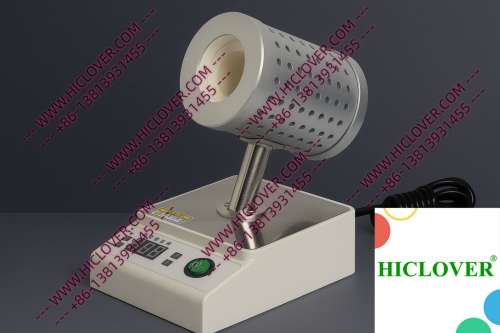
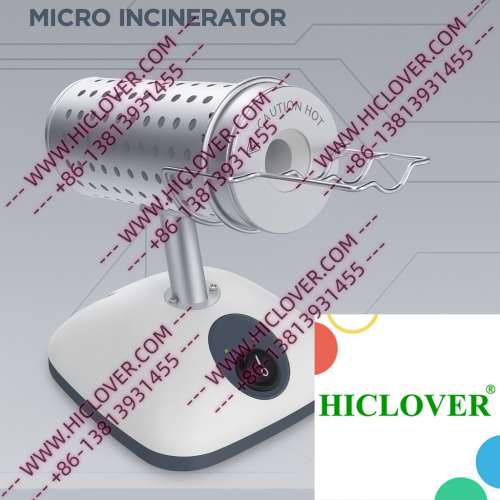
Micro Incinerators leverage infrared heat technology to achieve high-temperature disinfection without the use of an open flame. The core of this technology lies in an enclosed ceramic heating chamber, designed to uniformly distribute heat while minimizing aerosol generation. This innovative approach allows for a clean-bench-safe operation—ensuring that laboratory environments remain uncontaminated during sterilization procedures.
These devices typically incorporate high-efficiency heaters that reach temperatures sufficient to achieve complete sterilization, often exceeding 800°C. As a result, micro incinerators provide rapid and effective sterilization of inoculating loops, needles, and glassware—significantly reducing the time required for sterilization compared to traditional methods.
Real Laboratory Applications of Micro Incinerators
1. Teaching Laboratories
In educational settings, such as university teaching labs, instructors require rapid and effective sterilization tools to ensure student safety while conducting hands-on experiments. Micro Incinerators are particularly beneficial in these environments as their ease of use allows for quick transitions between experiments. Furthermore, these devices eliminate the need for alcohol and fire, creating a safer atmosphere in the classroom.
2. Field Testing Labs
Field testing labs that perform mobile assessments in environments ranging from agricultural sites to remote facilities often lack access to traditional sterilization resources. Micro Incinerators are compact and portable, making them indispensable for field laboratories. Their capability to sterilize equipment such as sampling tools and collection containers under varied conditions ensures that researchers can maintain compliance with biosafety protocols while on-site.
Compliance and Environmental Considerations
Adhering to global biosafety standards is critical for all laboratories, especially those working with hazardous materials. Organizations like the World Health Organization (WHO) and other regulatory bodies emphasize the importance of implementing effective sterilization methods that conform to prescribed health and safety guidelines. Micro Incinerators play a crucial role in modern compliance practices since they provide flame-free sterilization suitable for clean rooms and controlled environments, where the presence of open flame poses safety risks.
Moreover, with no toxic emissions produced during operation, Micro Incinerators align with contemporary initiatives for sustainable waste management. Their ability to safely incinerate waste materials and sterilize tools contributes to reducing the environmental footprint associated with laboratory operations.
Comparison: Micro Incinerator vs. Traditional Flame Sterilizers
| Feature | Micro Incinerator | Flame Sterilizers |
|---|---|---|
| Heat Source | Infrared heat, enclosed chamber | Open flame |
| Contamination Risk | Minimized aerosol generation | High risk of aerosol release |
| Safety | Flame-free operation | Fire hazards |
| Sterilization Speed | Rapid thermal sterilization | Variable |
| Ideal Use | BSL-2/BSL-3 labs, teaching labs, field tests | General microbiological use |
Frequently Asked Questions (FAQs)
- What is a Micro Incinerator?
A Micro Incinerator is a sterilization device that uses infrared heat to provide high-temperature disinfection without an open flame, commonly used in laboratories. - How does the Micro Incinerator ensure safety in the lab?
It operates flame-free and minimizes aerosol generation, making it safer compared to traditional flame sterilizers. - Can Micro Incinerators be used in field laboratories?
Yes, their portable design allows them to be effectively utilized in mobile or field testing labs. - What are the key benefits of using a Micro Incinerator over flame sterilizers?
Benefits include rapid sterilization, better contamination control, increased safety, and compliance with biosafety regulations. - Are there any environmental advantages of using Micro Incinerators?
They produce no toxic emissions and aid in sustainable waste management by effectively sterilizing waste materials.
Conclusion
The rise of Micro Incinerators, particularly Infrared Inoculating Loop Sterilizers, marks a significant advancement in laboratory sterilization technology. By addressing safety concerns, meeting biosafety standards, and enhancing sterilization workflows, these innovative devices have seamlessly integrated into various laboratory environments, from educational institutions to clinical research settings. For laboratories looking to improve efficiency while maintaining the highest levels of biosafety compliance, investing in a Micro Incinerator is a forward-thinking solution. Contact us today to learn more about how you can incorporate these technologies into your laboratory operations.
Categories:
Tags: