
In laboratory environments, especially those conforming to BSL-2 and BSL-3 standards, ensuring biosafety while maintaining workflow efficiency is a constant challenge. Traditional sterilization methods, such as alcohol lamps and Bunsen burners, present various issues, including open flames, the risk of contamination, and the production of hazardous aerosols. Consequently, the need for sterile environments has spurred the development of advanced sterilization technologies, leading to the popularity of Micro Incinerators and Infrared Inoculating Loop Sterilizers.
Technical Principles and Design Features
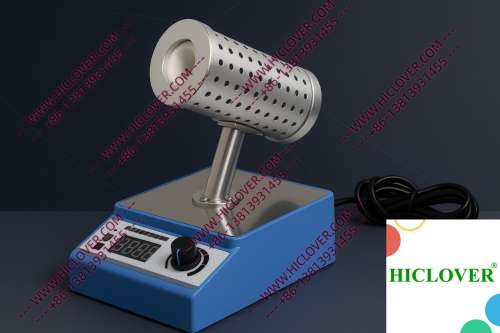
The Micro Incinerator, distinct from conventional flame sterilizers, utilizes infrared heat to achieve rapid thermal sterilization. This machine features a ceramic heating chamber that emits high-temperature infrared radiation, effectively eliminating microbial life in a swift, clean manner without generating hazardous aerosols. The enclosed design ensures heat is focused directly on instruments, enhancing safety in laboratory settings such as biosafety cabinets or clean rooms.
Key Advantages Over Traditional Flame Sterilizers
- No open flame: Reduces fire hazards in sensitive environments.
- Rapid sterilization: Achieves temperature spikes almost instantly, conserving time.
- Contamination control: Prevents aerosol generation during sterilization.
- Consistent performance: Offers uniform heat distribution across sterilization tools.
- Clean-bench-safe: Ideal for maintaining clean conditions in designated sterile zones.
Application Scenarios in Real Labs
Let’s explore two application scenarios where Micro Incinerators are indispensable.
1. Teaching Laboratories
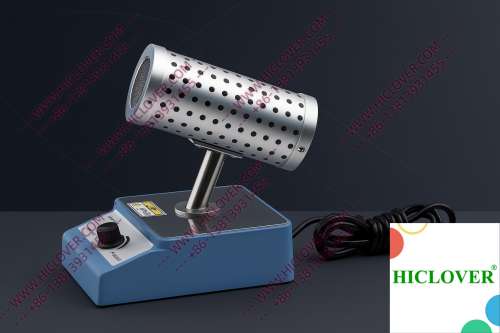
In university teaching labs, especially those focused on microbiology, instructors and students alike benefit from safe and effective sterilization methods. An Infrared Inoculating Loop Sterilizer is particularly advantageous in these settings because it provides rapid setup and easy handling, which is essential for practical demonstrations and experiments. With no open flames present, instructors can teach safe microbiological handling techniques more effectively.
2. Field Testing Labs
Field testing scenarios present unique challenges regarding sterilization. The portability of Micro Incinerators allows for swift on-site sterilization of instruments used in environmental testing or clinical diagnostics. For instance, when working with samples in remote locations, researchers can rely on the compact design of micro incinerators to ensure equipment is sterilized before and after usage, preserving the integrity of samples and avoiding cross-contamination.
Compliance and Biosafety Standards
Complying with recognized biosafety standards is critical for laboratories focusing on contamination control. The World Health Organization (WHO) emphasizes the necessity of biosafety measures in laboratories handling hazardous materials. Micro Incinerators are designed to align with these standards, offering a flame-free sterilization method that adheres to modern lab protocols.
Moreover, their enclosed heating mechanisms help laboratories maintain necessary conditions in clean rooms, where the presence of open flames or alcohol may contravene best practices. Compliance with sterilization standards significantly minimizes the likelihood of risk associated with aerosol generation and fire hazards, ensuring that laboratories operate within safe parameters.
Comparison Table: Micro Incinerator vs. Flame Burners
| Feature | Micro Incinerator | Flame Burners |
|---|---|---|
| Heat Source | Infrared | Open Flame |
| Risk of Aerosols | None | High |
| Temperature Control | Consistent and Rapid | Variable |
| Portability | High | Medium |
| Safety in Clean Rooms | High | Low |
FAQs
What is a Micro Incinerator used for in a laboratory?
A Micro Incinerator is primarily used for sterilizing inoculating loops and other laboratory instruments through rapid thermal sterilization, effectively eliminating microbial contamination.
How does an Infrared Inoculating Loop Sterilizer work?
This device uses infrared heat emitted from a ceramic chamber to achieve sterilization almost instantly, operating without an open flame and minimizing contamination risks.
Can Micro Incinerators be used in field testing applications?
Yes, their portable design makes Micro Incinerators an ideal choice for field testing labs, where on-site instrument sterilization is necessary.
What are the safety benefits of using Micro Incinerators?
Micro Incinerators eliminate the risks associated with open flames, reduce aerosol generation, and enhance workflow in biosafety cabinets and clean rooms.
How do Micro Incinerators compare to traditional flame sterilizers in terms of compliance?
Micro Incinerators align better with modern biosafety standards, reducing contamination risks and promoting safety in various laboratory settings, particularly where the presence of an open flame could pose a hazard.
Conclusion
The rise of Micro Incinerators represents a significant evolution in laboratory sterilization practices, offering a safer, more efficient alternative to traditional flame sterilizers. By embracing this innovative technology, laboratories can enhance their contamination control protocols while ensuring compliance with rigorous biosafety standards. For those looking to upgrade their laboratory sterilization equipment, explore our range of Micro Incinerators and see how they can transform your laboratory workflow. Contact us today to discover more!
Categories:
Tags: