
In the realm of laboratory biosafety, the challenges of contamination control have become increasingly critical, particularly in environments striving for the highest level of purity. As research activities evolve alongside rising biohazardous waste concerns, finding effective sterilization solutions is paramount. Traditional methods, such as Bunsen burners and alcohol lamps, have their drawbacks, leading to a growing interest in innovative alternatives like the Micro Incinerator and Infrared Inoculating Loop Sterilizer.
Understanding the Technology Behind Micro Incinerators
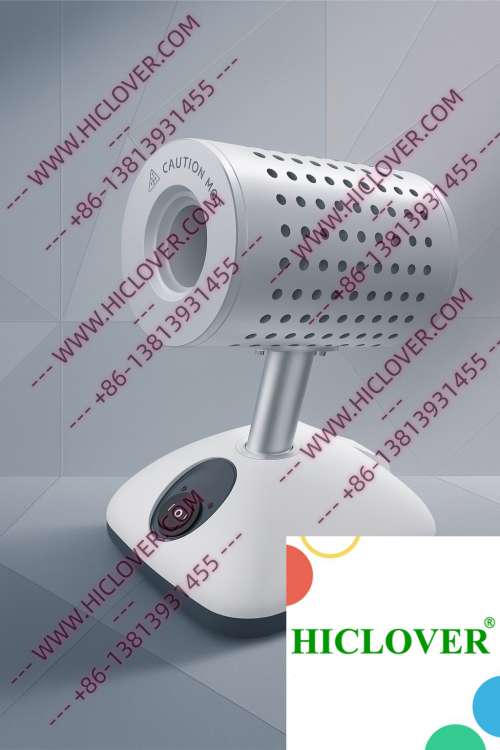
The Micro Incinerator functions through a unique principle of rapid thermal sterilization. At its core is an enclosed ceramic tube that employs infrared heat to achieve high-temperature disinfection. When an inoculating loop or instrument is inserted into the ceramic heating chamber, it becomes rapidly heated to sterilization temperatures, ensuring immediate and efficient eradication of pathogens.
This mechanism is not only effective but also promotes a clean-bench-safe environment by producing no flames or aerosols—making it ideal for various laboratory settings where contamination must be meticulously avoided. The infrared technology significantly reduces the risk of unwanted biological contamination compared to flame sterilizers, which can introduce particulates from open flames.
Applications of Micro Incinerator Sterilization in Laboratories
1. Biosafety Cabinets
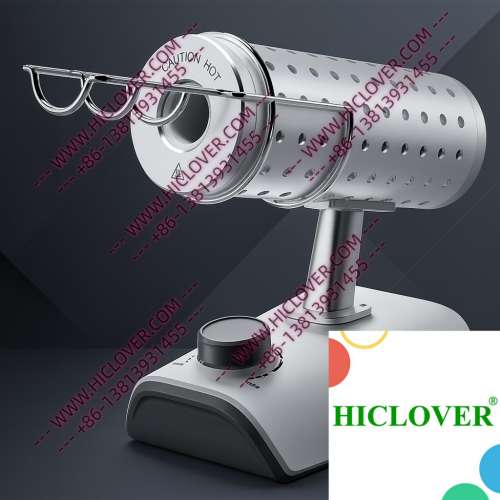
In BSL-2 and BSL-3 microbiology laboratories, where handling of infectious agents is routine, the Micro Incinerator is an invaluable tool. Its use within biosafety cabinets facilitates efficient sterilization of inoculating loops and other instruments without compromising the sterile environment. Unlike flame sterilizers, which can lead to thermal damage or increased contamination risk through airflow disruption, the precision of the Micro Incinerator allows for seamless integration into the workflow.
2. University Teaching Labs
Laboratories in educational institutions often face unique challenges, primarily ensuring students adhere to biosafety practices while efficiently conducting experiments. The Micro Incinerator provides a safe and effective way to teach sterilization techniques without the hazards of open flames. Students can familiarize themselves with state-of-the-art sterilization processes, preparing them for future laboratory work in clinical diagnostics or research.
Compliance and Environmental Responsibility
Regulatory compliance is a cornerstone of laboratory operation, particularly in settings engaged in clinical diagnostics, research, or education. Organizations such as the World Health Organization outline strict biosafety standards that laboratories must adhere to, which includes sterilization practices. Utilizing a Micro Incinerator aligns with these requirements by eliminating open flames that can be dangerous in cleanrooms and other sensitive environments.
Moreover, the Micro Incinerator contributes to the reduction of environmental impact. Traditional flame sterilizers can lead to toxic emissions and waste, while Micro Incinerators operate with minimal environmental footprint, making them a preferable choice for forward-thinking laboratories.
Micro Incinerator vs. Traditional Flame Sterilizers
| Feature | Micro Incinerator | Flame Sterilizers |
|---|---|---|
| Heating Method | Infrared high-temperature | Open flame |
| Contamination Risk | Low (aerosol-free handling) | High (particulate generation) |
| Safety | Clean-bench-safe | Flammable, hazardous |
| Temperature Control | Precise temperature management | Difficult to control |
| Maintenance | Low | Moderate to high |
Frequently Asked Questions
- What is a Micro Incinerator, and how does it work?
A Micro Incinerator is a laboratory device that utilizes infrared technology to provide efficient sterilization of inoculating loops and other instruments rapidly. - How does a Micro Incinerator contribute to biosafety in labs?
By eliminating open flames, it reduces the risk of contamination and provides a safe method of sterilization within clean environments. - Is the Micro Incinerator easy to use?
Yes, it features a user-friendly interface and requires minimal training, making it suitable for both experienced professionals and students. - What are the applications of Micro Incinerators beyond microbiology labs?
They are also effective in clinical diagnostics, university teaching labs, and even field testing labs where contamination control is a priority. - Are there any maintenance requirements for a Micro Incinerator?
Micro Incinerators generally require minimal maintenance, mainly ensuring the ceramic tube remains free from residue.
The Future of Laboratory Sterilization
The advancement of laboratory sterilization equipment, particularly the Micro Incinerator and Infrared Inoculating Loop Sterilizer, highlights a shift towards more efficient and safer solutions. As global health standards continue to evolve, laboratories must transition to technologies that ensure the utmost hygiene and compliance. Investing in a Micro Incinerator not only streamlines sterilization processes but also contributes to overall laboratory biosafety and environmental sustainability.
For laboratories looking to upgrade their sterilization equipment, the Micro Incinerator presents a compelling choice. By adopting this advanced technology, facilities can enhance their operational efficiency while adhering to stringent biosafety requirements. For inquiries or to explore purchasing options, please reach out to us; we are here to support your laboratory’s transition towards safer sterilization methods.
Categories:
Tags: