
In the realm of laboratory operations, ensuring biosafety and effective sterilization processes plays a critical role. Traditional flame-based sterilization methods such as alcohol lamps and Bunsen burners have long been the go-to for laboratory professionals. However, they often pose safety hazards, produce aerosols, and can lead to cross-contamination. With evolving safety standards and laboratory demands, the introduction of Micro Incinerators, specifically the Infrared Inoculating Loop Sterilizer, shines a light on modern sterilization techniques designed to meet contemporary biosafety challenges.
Modern-Day Laboratory Biosafety Challenges
Laboratories today face mounting pressure to maintain stringent biosafety protocols while optimizing workflows for efficiency. Biological Safety Level (BSL)-2 and BSL-3 microbiology labs, in particular, require methods that prevent the spread of pathogens while providing reliable sterilization of tools used in research and clinical diagnostics. From utilizing biosafety cabinets to ensuring clean environments for testing, the challenges include:
- Effective contamination control
- Aerosol-free handling of sterilization instruments
- Rapid thermal sterilization processes that respect laboratory deadlines
Technical Principles Behind Micro Incinerators
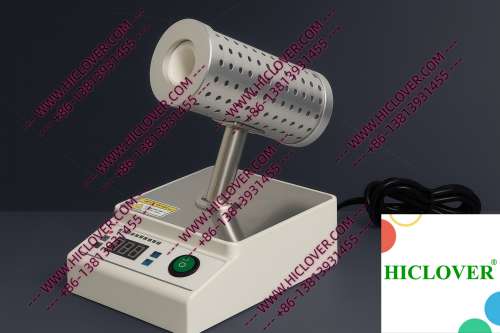
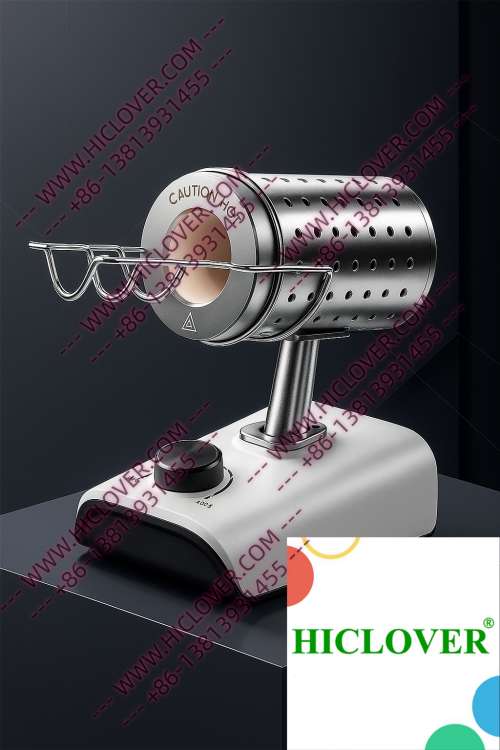
At the heart of the Micro Incinerator lies an ingenious design that employs infrared heat. It features an enclosed ceramic tube that generates high temperatures rapidly, making it an effective tool for quick sterilization. The primary components work hand-in-hand to maximize both safety and efficiency:
- Infrared High-Temperature Disinfection: The use of infrared heat allows for quick and efficient sterilization without the drawbacks of open flames.
- Ceramic Heating Chamber: The enclosed design minimizes the risks associated with airborne contaminants, creating a safer work environment.
- Clean-Bench-Safe Operations: The absence of flames makes it suitable for use in clean rooms and laboratories that demand a sterile atmosphere.
Practical Applications in Real Labs
The Micro Incinerator’s versatility is evident in its wide range of applications. Here are two scenarios where this innovative piece of equipment is transforming laboratory sterilization:
1. University Teaching Labs
In the context of academic laboratories, the Micro Incinerator is a vital teaching tool. It allows students to gain hands-on experience with sterilization techniques in a safe environment. Instructors can demonstrate proper sterilization workflows, ensuring that students understand the importance of contamination control in microbiological practices.
2. Field Testing in Microbiology
Field testing often requires flexible and reliable sterilization solutions. The Micro Incinerator provides the perfect answer to this need, enabling researchers to efficiently sterilize inoculating loops and other instruments under challenging environmental conditions where traditional sterilizers might falter. Its portability and ease of use make it a favored choice for mobile labs.
Compliance and Environmental Considerations
Adhering to compliance with international biosafety standards is non-negotiable in laboratory environments. The World Health Organization (WHO) emphasizes biosafety protocols that protect both laboratory personnel and the environment. features of the Micro Incinerator align well with these standards:
- Non-flame sterilization minimizes risks associated with combustion.
- A reduced carbon footprint compared to traditional flame sterilizers.
- Meets global sterilization standards making it suitable for clinical diagnostics.
Comparative Analysis: Micro Incinerator vs. Flame Burners
| Feature | Micro Incinerator | Flame Burners |
|---|---|---|
| Operating Temperature | Up to 800°C | Variable |
| Safety | Non-flame, reduced aerosol | Open flame, higher burn risk |
| Portability | Lightweight and compact | Bulky, requires gas supply |
| Compliance | Meets WHO standards | May not be suitable for BSL-2/3 |
Frequently Asked Questions
What makes the Micro Incinerator safer than traditional flame sterilizers?
The Micro Incinerator operates without open flames, significantly reducing the risk of burns and fires while also minimizing aerosol generation that can lead to contamination.
Can the Micro Incinerator be used in field testing?
Yes, its compact design and efficient sterilization capability make it ideal for mobile laboratory setups and field research where safe sterilization is necessary.
Does the Micro Incinerator comply with international biosafety standards?
Absolutely. It meets the biosafety requirements set by organizations such as the WHO, ensuring proper sterilization methods in laboratory settings.
How long does it take to achieve sterilization with the Micro Incinerator?
Sterilization is achieved within a few seconds, making it a time-efficient tool for laboratory workflows.
Conclusion: Transforming Laboratory Sterilization
As Austria continues to innovate in the field of waste management and laboratory safety, the Micro Incinerator presents a compelling alternative to traditional sterilization methods. By offering safe, efficient, and compliant solutions tailored to the needs of modern laboratories, this equipment is set to revolutionize sterilization processes across various applications. For those looking to enhance their laboratory workflows with advanced sterilization techniques, consider reaching out to explore how the Infrared Inoculating Loop Sterilizer can integrate into your demands. Your laboratory deserves the best – contact us today for quality solutions that protect both your work and your team.
Categories:
Tags: