
In the modern laboratory environment, maintaining high biosafety standards is paramount. The need for effective sterilization workflows is accentuated by the growing concern over contamination control. Particularly in BSL-2 and BSL-3 microbiology labs, effective sterilization methods are crucial for ensuring that biological agents do not pose a risk to laboratory personnel. This article delves into an innovative solution: Micro Incinerators, specifically the Infrared Inoculating Loop Sterilizer, which provides a rapid and clean approach to sterilization in various laboratory settings.
The Technical Principles of Micro Incinerators
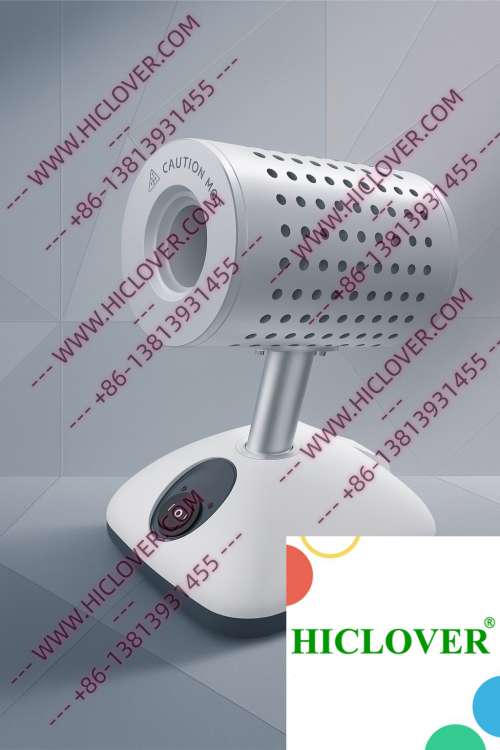
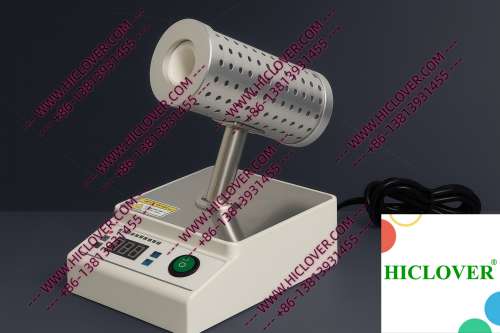
At the heart of the Micro Incinerator is its sophisticated design that utilizes infrared heat to achieve rapid thermal sterilization. Unlike traditional flame sterilizers such as alcohol lamps or Bunsen burners, which can produce hazardous aerosols and require extensive cleanup, the Micro Incinerator features an enclosed ceramic heating chamber that provides high-temperature disinfection while minimizing risks.
The infrared technology ensures that the inoculating loop reaches sterilization temperatures quickly, typically within seconds, allowing laboratory personnel to maintain workflow efficiency. The enclosed design also enhances safety by preventing exposure to open flames, making it ideal for use in clean rooms and other sensitive areas.
Applications in Real Laboratories
- Biosafety Cabinets: Within biosafety cabinets, the Micro Incinerator serves as an essential tool for sterilizing equipment like inoculating loops and needles before and after handling cultures. Its rapid heating eliminates the risk of contamination, thereby enhancing the overall safety of the laboratory environment.
- Field Testing: In the context of field testing for clinical diagnostics, the portability of the Micro Incinerator allows scientists to sterilize instruments on-site. This capability is crucial in mobile labs and during outbreak investigations, where the risk of contamination is particularly high.
- University Teaching Labs: In educational settings, students can benefit from using Micro Incinerators during microbiology courses. The device allows for hands-on training in sterilization techniques without the danger associated with traditional flame sterilizers, fostering a culture of safety and best practices.
- What applications are best suited for Micro Incinerators?
The Micro Incinerator is particularly effective in biosafety cabinets, field testing environments, and educational labs, providing rapid and safe sterilization of laboratory equipment. - How do Micro Incinerators compare to traditional flame sterilizers?
Micro Incinerators offer enhanced safety, rapid sterilization, and improved contamination control, unlike traditional flame sterilizers that pose greater risks of fire and aerosol contamination. - Are Micro Incinerators compliant with international biosafety standards?
Yes, Micro Incinerators meet WHO biosafety standards, making them suitable for use in high-risk laboratory environments. - Can Micro Incinerators be used in clean rooms?
Absolutely, the enclosed design and emission-free operation make them ideal for cleanroom applications. - What is the sterilization time for the Micro Incinerator?
The device typically reaches sterilization temperatures within seconds, making it extremely efficient for laboratory workflows.
Biosafety Compliance and Environmental Considerations
The World Health Organization (WHO) provides guidelines emphasizing the necessity for laboratories to adhere to strict biosafety standards. Using devices like Micro Incinerators aligns with these guidelines by ensuring effective sterilization without exposing personnel or the environment to harmful emissions or open flames. Moreover, the sterilizer’s aerosol-free handling further qualifies it for use in clean rooms and areas where contamination could lead to severe consequences.
Additionally, the integration of Micro Incinerators can significantly lower the environmental impact associated with traditional sterilization methods, as they eliminate the need for alcohol or other chemical agents, which can generate waste and potentially harmful byproducts.
Comparison of Micro Incinerators and Flame Burners
| Feature | Micro Incinerator | Flame Burners (Alcohol Lamps/Bunsen Burners) |
|---|---|---|
| Safety | Enclosed, no open flames | Open flames pose fire hazards |
| Efficiency | Rapid sterilization (<30 seconds) | Slower, variable results |
| Contamination Control | No aerosols | Aerosol production during use |
| Portability | Compact, easy to transport | Bulky, dependent on gas supply |
FAQs about Micro Incinerators
Conclusion
The integration of Micro Incinerators, particularly the Infrared Inoculating Loop Sterilizer, into laboratory practices represents a significant advancement in the field of waste management and contamination control. With its superior safety features, rapid sterilization capabilities, and compliance with stringent biosafety standards, the Micro Incinerator is poised to revolutionize how laboratories approach sterilization. Whether you operate a teaching lab, a clinical diagnostics center, or a research facility, investing in a Micro Incinerator can vastly improve your sterilization workflow.
For more information on acquiring a Micro Incinerator or to request a demo, contact us today.
Categories:
Tags: