
In the bustling metropolis of Dhaka, hospitals and laboratories face mounting challenges regarding waste management and biological safety. Key concerns revolve around sterilization workflows that must comply with stringent health standards. To mitigate risks associated with contaminated materials, healthcare facilities are increasingly adopting innovative technologies, including the Micro Incinerator, specifically designed for efficient sterilization of inoculating loops and other laboratory equipment.
The Need for Efficient Laboratory Sterilization
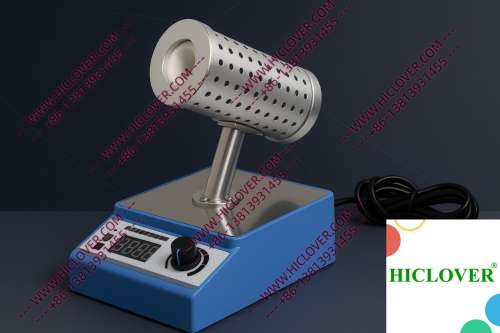
Laboratory biosafety is paramount, particularly in settings such as BSL-2 and BSL-3 microbiology labs where pathogens are handled. Traditional methods, like alcohol lamps and Bunsen burners, present inherent risks—open flames can ignite flammable materials and generate aerosols that compromise worker safety. With laboratory workflows demanding rapid thermal sterilization, the Micro Incinerator stands out as a reliable alternative. The efficiency of this device significantly enhances contamination control and verifies compliance with regulatory standards.
How Micro Incinerators Work: In-Depth Technical Principles
The Micro Incinerator employs advanced infrared heating technology to ensure rigorous disinfection processes. It comprises a high-temperature ceramic heating chamber that minimizes heat loss and maintains consistent temperature control. When inoculating loops are heated in an enclosed ceramic tube, they undergo rapid thermal sterilization. The infrared rays penetrate and effectively destroy pathogens without producing harmful aerosols, ensuring a clean-bench-safe environment.
Configuration and Features
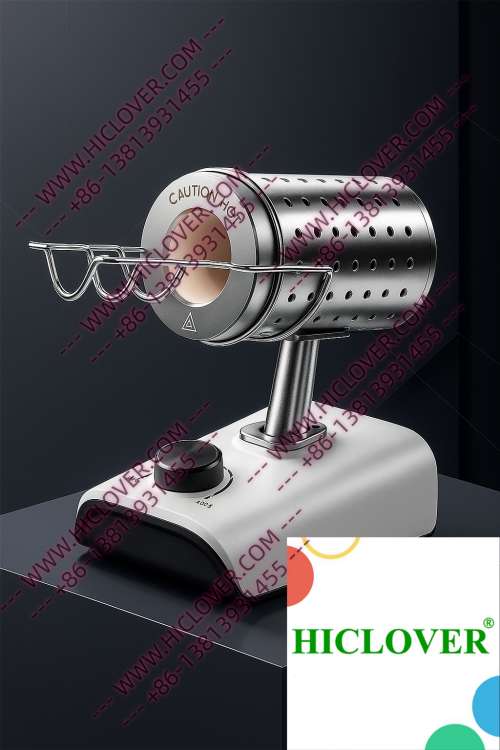
- Compact Design: Ideal for limited laboratory spaces.
- Quick Heating: Reaches temperatures exceeding 800°C for rapid sterilization.
- Energy Efficient: Minimizes electricity consumption while maximizing output.
- Easy to Use: Simple operation reduces the risk of operator error.
Applications in Modern Labs
Micro Incinerators are revolutionizing various lab environments from clinical diagnostics to educational settings:
1. Clinical Diagnostics Laboratories
In clinical settings, the Micro Incinerator is instrumental in sterilizing instruments used during specimen collection. For instance, within a biosafety cabinet, technicians can safely handle inoculating loops and needles, knowing they will be adequately sterilized. This contributes to maintaining a contamination-free environment, essential for accurate diagnostics.
2. University Teaching Laboratories
Educational institutions utilize Micro Incinerators to teach students fundamental microbiology techniques. In teaching labs, where multiple students use the same inoculating loops, the risk of cross-contamination is high. Utilizing the Micro Incinerator not only illustrates modern sterilization technology but also instills safe lab practices among students—crucial for their future careers.
Compliance with Health and Safety Standards
Regulatory compliance regarding biosafety is critical. The World Health Organization (WHO) outlines guidelines that emphasize the need for effective sterilization methods in healthcare settings. The Micro Incinerator aligns with these standards by eliminating the use of flames—particularly important in cleanroom environments where contaminants must be controlled. Furthermore, various laboratory sterilization standards affirm the benefits of using such devices over traditional flame sterilizers.
“Utilizing devices like the Micro Incinerator enhances safety and complies with international biosafety standards, which is essential for modern laboratories.” – Lab Safety Expert
Comparison of Sterilization Methods
| Feature | Micro Incinerator | Flame Sterilizers |
|---|---|---|
| Heating Method | Infrared | Open Flame |
| Safety | Aerosol-free, lower risk of ignition | Higher risk of contamination and fire hazards |
| Efficiency | Rapid sterilization | Variable sterilization times |
| Footprint | Compact design | Requires more space |
Frequently Asked Questions (FAQs)
What is the processing time for sterilization using a Micro Incinerator?
The sterilization process is typically completed within seconds, depending on the object being sanitized, enhancing workflow efficiency in any laboratory setting.
How does the Micro Incinerator ensure operator safety?
By eliminating open flames and reducing aerosol generation, the device significantly enhances safety for operators and the surrounding environment.
Can the Micro Incinerator be used in field testing?
Yes, its portable design makes the Micro Incinerator ideal for mobile laboratories and field testing scenarios, ensuring sterilization even in remote settings.
Is regular maintenance required for the Micro Incinerator?
Minimal maintenance is required; however, periodic inspections are recommended to ensure optimal performance and longevity of the heating elements.
What is the temperature range of a Micro Incinerator?
Micro Incinerators typically reach temperatures of up to 800°C, making them efficient for rapid thermal sterilization tasks.
Conclusion: Embrace the Future of Lab Sterilization
The rise of Micro Incinerators marks a significant advancement in laboratory sterilization technology. As hospitals and labs in Dhaka and beyond embrace these innovative devices, they not only improve waste management practices but also ensure safety and compliance with international standards. To learn more about how a Micro Incinerator or Infrared Inoculating Loop Sterilizer can benefit your laboratory, contact us today for inquiries, demonstrations, or to make a purchase.
Categories:
Tags: