
Laboratories across France face persistent biosafety challenges, particularly regarding sterilization workflows. Rapid sterilization of instruments is critical to preventing contamination, especially in environments dealing with potentially hazardous biological samples. The introduction of micro incinerators, specifically the Micro Incinerator or Infrared Inoculating Loop Sterilizer, is reshaping how laboratories manage sterilization processes. This innovative equipment addresses the need for effective and efficient sterilization, particularly in BSL-2 and BSL-3 laboratories.
Technical Principles of Micro Incinerators
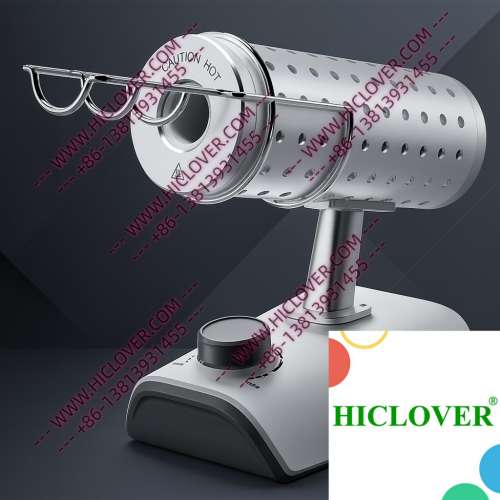
The Micro Incinerator operates on the principle of rapid thermal sterilization, utilizing infrared heat to achieve high temperatures necessary for effective disinfection. This device features an enclosed ceramic heating chamber that provides a controlled environment devoid of open flames, thereby ensuring a cleaner and safer working atmosphere. The infrared technology utilized ensures that the sterilizer can reach temperatures exceeding 800°C in a matter of seconds, guaranteeing unique advantages over traditional flame sterilizers like alcohol lamps and Bunsen burners.
Advantages Over Traditional Sterilizers
- Flame-free Operation: Reduces risks associated with combustion.
- Aerosol-free Handling: Prevents contamination in clean environments.
- Less Time in Sterilization: Quickly achieves necessary sterilization temperatures.
- Energy Efficient: Consumes less energy compared to traditional burners.
- Compact Design: Space-saving, ideal for any laboratory environment.
Application Scenarios in Real Labs
Biosafety Cabinets
The Micro Incinerator is particularly valuable in biosafety cabinets, where maintaining a sterile environment is paramount. Laboratories can benefit from its precise heat control without the hazards posed by flame sterilizers. Using the Micro Incinerator within these cabinets allows for effective instrument sterilization while mitigating the risk of generating aerosols, thus enhancing safety for laboratory personnel.
Mobile and Field Testing Labs
In field testing scenarios—such as those carried out during public health emergencies—the Micro Incinerator shines due to its portable design. Operators can quickly sterilize inoculating loops and small instruments on-site, reducing the risk of cross-contamination and ensuring results remain precise. This versatility is invaluable in responding to outbreaks or conducting research in remote locations.
Compliance and Environmental Considerations
Compliance with environmental and biosafety standards is critical in laboratory operations. The World Health Organization (WHO) and several other regional health authorities advocate the use of sterile techniques to safeguard laboratory workers and the environment. The Micro Incinerator ensures compliance with these standards by providing a clean and flame-free sterilization option, making it ideal for use in clean rooms where open flames would be unsafe. Furthermore, its efficient design minimizes the carbon footprint associated with traditional sterilization methods.
Why Invest in a Micro Incinerator?
Laboratories—be they clinical diagnostics, university teaching labs, or research centers—are increasingly turning to micro incinerators to enhance their sterilization protocols. This equipment not only caters to strict regulatory standards but also improves overall operational efficiency. The integration of such advanced technologies leads to significant improvements in contamination control and lab safety.
Comparison Table: Micro Incinerator vs. Flame Burners
| Feature | Micro Incinerator | Flame Burners |
|---|---|---|
| Heat Source | Infrared | Open Flame |
| Safety | Flame-free | Risk of Burns |
| Time Efficiency | Instant Heating | Longer Heating Times |
| Environmental Impact | Low Emissions | Higher Carbon Footprint |
| Ease of Use | One-Button Operation | Requires Manual Management |
FAQs
What is a Micro Incinerator?
A Micro Incinerator is a laboratory sterilization device that utilizes infrared heat for rapid and effective sterilization of inoculating loops and other laboratory equipment.
How does infrared sterilization work?
Infrared sterilization employs high temperatures generated by an enclosed ceramic chamber to quickly and efficiently sterilize instruments without flames.
Where can I use a Micro Incinerator?
Micro Incinerators are ideal for use in biosafety cabinets, mobile field labs, and university teaching labs, showcasing versatility across various environments.
What are the compliance standards for lab sterilization in France?
In France, laboratories must comply with standards set by the WHO and local health authorities, ensuring biosafety and efficient sterilization methods are employed to protect staff and the environment.
How does the Micro Incinerator improve lab safety?
This device reduces risks associated with open flames, minimizes aerosol generation during sterilization, and ensures regulated heat application, enhancing safety protocols in laboratories.
Conclusion
The rise of Micro Incinerators like the Infrared Inoculating Loop Sterilizer marks a significant turning point in laboratory sterilization practices. By adopting this innovative equipment, laboratories across France and beyond can improve biosafety, streamline operations, and ensure compliance with regulatory standards. For those looking to enhance their sterilization workflow, we invite you to explore the benefits of this advanced technology and consider a purchase today.
Categories:
Tags: