
In today’s modern laboratories, the biosafety challenges associated with sterilization methods have prompted significant advancements in sterilization technology. Laboratory environments, especially biosafety level (BSL) 2 and BSL-3 facilities, require effective sterilization solutions to ensure safe handling of potentially hazardous biological materials. Traditional flame sterilizers, like alcohol lamps and Bunsen burners, pose risks associated with open flames and the generation of aerosols, thus creating a compelling need for innovative solutions.
Micro Incinerators: A Solution for Laboratory Sterilization
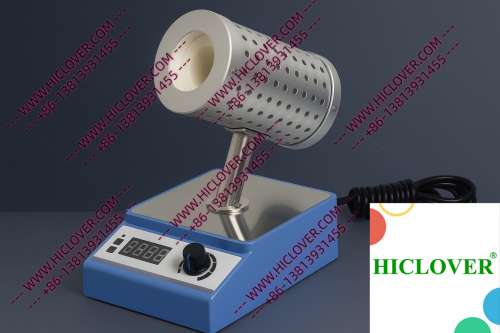
Among the numerous sterilization solutions available, the Micro Incinerator, particularly the Infrared Inoculating Loop Sterilizer, stands out due to its advanced technology and practical configuration. This equipment utilizes rapid thermal sterilization by generating infrared light, which heats an enclosed ceramic tube to extremely high temperatures. This design effectively eliminates contaminants while providing a clean, flame-free alternative that is crucial for maintaining a sterile workspace.
Technical Principles Behind Micro Incinerators
The efficiency of Micro Incinerators lies in their use of infrared heat. The sterilizer’s enclosed ceramic heating chamber offers rapid thermal disinfection without producing harmful aerosols. Upon activation, the infrared light quickly brings the ceramic tube to a temperature sufficient to sterilize inoculating loops and other small tools in mere seconds.
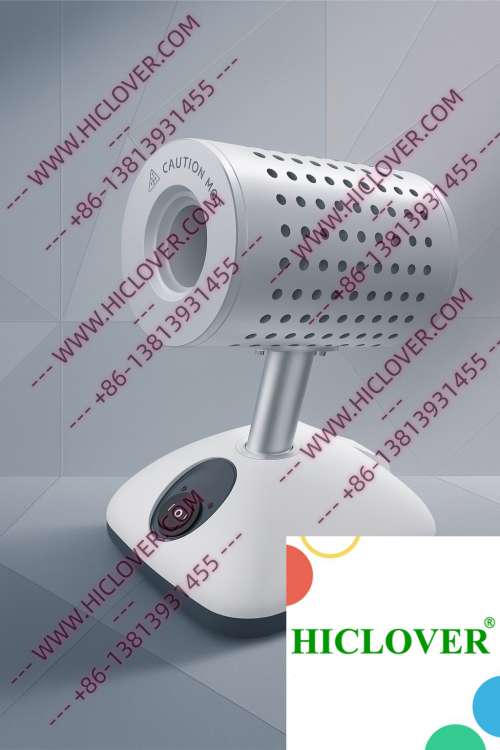
Furthermore, the compact design allows for a seamless integration into various laboratory settings, ensuring versatility and efficiency in sterilization workflows. Unlike traditional flame sterilizers, which can be cumbersome and hazardous, Micro Incinerators streamline the process with safer and controlled heating.
Application Scenarios for Micro Incinerators
- Biosafety Cabinets: In BSL-2 and BSL-3 labs, where precise control over contamination is essential, Micro Incinerators can be strategically placed within biosafety cabinets. This setup provides a designated area for sterilization that minimizes the risk of contamination from aerosols, thus enhancing overall laboratory safety.
- Field Testing: Mobile labs used for field testing of pathogens or environmental samples benefit from Micro Incinerators due to their compact, lightweight design. Researchers can ensure immediate sterilization of instruments used in remote locations without the need for larger, cumbersome equipment.
- Teaching Laboratories: In educational settings, Micro Incinerators serve as effective tools for teaching proper sterilization techniques. Instructors can demonstrate rapid thermal sterilization methods in a controlled environment while ensuring student safety by eliminating open flames.
Compliance and Environmental Considerations
Adhering to biosafety guidelines, such as those set by the World Health Organization (WHO), is crucial for maintaining laboratory safety standards. The use of Micro Incinerators aligns with lab sterilization standards, particularly in environments that prohibit open flames, such as clean rooms.
Moreover, the elimination of harmful aerosols ensures a safer working environment, a critical factor for compliance with regulations aimed at minimizing exposure to biohazardous materials. In Germany, where environmental regulations are stringent, the adoption of Micro Incinerators also reflects a commitment to sustainable laboratory practices by reducing waste associated with traditional flame sterilizers.
Advantages Over Traditional Flame Sterilizers
Micro Incinerators offer a range of advantages compared to traditional flame sterilizers. Here’s a comparison to illustrate the differences:
- Safety: Flame sterilizers present fire hazards and can create aerosols, risking contamination.
- Efficiency: Micro Incinerators heat tools in seconds versus the minutes required for flame sterilizers.
- Ease of Use: Compact and portable, these sterilizers can be used in various settings without the need for extensive setup.
- Environmental Compliance: They eliminate open flames, making them more suitable for clean environments.
- Operational Cost: Lower operational costs due to reduced risk of accidents and contamination-related downtime.
FAQs About Micro Incinerators
1. What materials can be sterilized using a Micro Incinerator?
Micro Incinerators are designed to sterilize metal tools such as inoculating loops and needles effectively.
2. How does the sterilization time compare to traditional methods?
Micro Incinerators typically achieve sterilization in just a few seconds, significantly faster than traditional flame sterilizers.
3. Are there any maintenance requirements for Micro Incinerators?
Maintenance is minimal; regular cleaning of the ceramic tube and ensuring the device is free from debris are essential for optimal performance.
4. Can the Micro Incinerator be used in field settings?
Yes, their portable design makes them suitable for use in mobile labs and field testing situations.
5. What safety certifications do Micro Incinerators possess?
Micro Incinerators comply with various laboratory safety standards, including those established by local and international health organizations.
Conclusion
As laboratories and research facilities look for innovative solutions to improve biosafety and sterilization workflows, Micro Incinerators stand out as a pivotal advancement in waste management practices. With their rapid thermal sterilization capabilities, compact design, and compliance with rigorous safety standards, they are ideal for various settings, including BSL-2, BSL-3 microbiology labs, clinical diagnostics, and educational institutions.
If you’re interested in upgrading your laboratory’s sterilization equipment or require more information about the Micro Incinerator, please do not hesitate to reach out to discuss your needs and explore purchasing options.
Categories:
Tags: