
In the fast-evolving field of laboratory science, maintaining biosafety is a critical concern. Laboratories are frequently confronted with challenges related to sterilization workflows, particularly in the context of contamination control and the rapid turnaround needed for sterile instruments. Traditional methods like alcohol lamps and Bunsen burners pose significant risks of contamination and are not suitable for modern clean environments, necessitating the adoption of innovative solutions such as micro incinerators.
Understanding Micro Incinerators: Technical Principles and Configuration
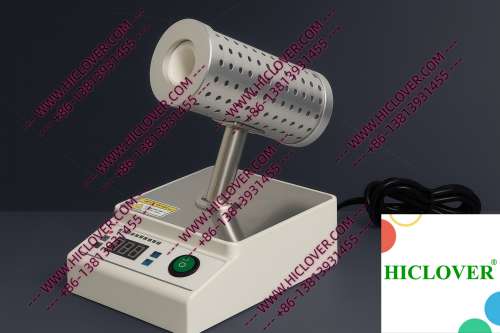
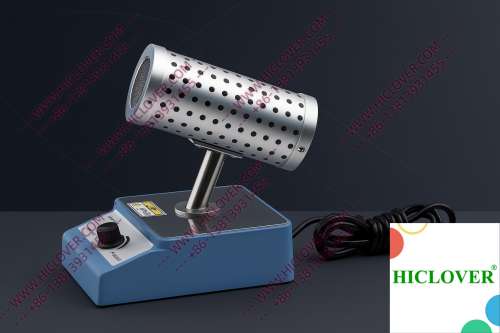
The micro incinerator, particularly the Infrared Inoculating Loop Sterilizer, is a sophisticated piece of laboratory sterilization equipment designed to address the limitations posed by traditional flame-based sterilizers. Its operational principle relies on the use of infrared heat generated within an enclosed ceramic tube, allowing for a rapid and efficient sterilization process.
- Rapid Thermal Sterilization: The infrared heat penetrates the inoculating loop quickly, ensuring immediate sterilization.
- Contamination Control: With no open flame, the risk of aerosol production that could compromise sample integrity is minimized.
- Clean-Bench-Safe: Safe to use in biosafety cabinets and clean rooms, making it ideal for BSL-2 and BSL-3 labs.
Applications of Micro Incinerators in Laboratory Settings
Micro incinerators have found varied applications across different laboratory settings, providing effective sterilization solutions in numerous scenarios.
1. In Biosafety Cabinets
In biosafety cabinets, where contamination must be rigorously controlled, micro incinerators excel at providing a clean and sterile instrument environment. The infrared inoculating loop sterilizer can efficiently sterilize loops and needles directly within the cabinet, maintaining the integrity of the workspace without jeopardizing biosafety protocols.
2. Field Testing Applications
Portable micro incinerators are increasingly used in field testing scenarios, such as mobile laboratories for clinical diagnostics in remote areas. Their compact size and efficient sterilization capabilities enable researchers to conduct operations without needing access to traditional sterilization facilities.
Compliance and Environmental Considerations
When it comes to laboratory sterilization, compliance with established standards is paramount. The World Health Organization (WHO) has set specific guidelines for biosafety that laboratories must adhere to, ensuring proper sterilization and waste management.
“Infection control practices and environmental safety must be at the forefront of laboratory operations, especially in microbiological and clinical diagnostics.”
Micro incinerators align seamlessly with these compliance requirements. Their ability to operate without open flames makes them suitable for clean rooms and environments where traditional flame-based sterilizers are prohibited. Additionally, they significantly reduce the risk of hazardous fumes and aerosols, aligning with sustainable waste management practices.
Key Advantages Over Traditional Flame Sterilizers
Transitioning from conventional sterilization methods to micro incinerators can yield several key advantages:
- Enhanced Safety: Micro incinerators eliminate open flames, reducing the risk of burns and fire hazards.
- Efficiency: They achieve sterilization in seconds rather than requiring prolonged exposure to flames.
- Consistent Results: The controlled infrared heat provides uniform sterilization, minimizing the risk of unsterilized instruments.
| Feature | Micro Incinerator | Flame Sterilizers |
|---|---|---|
| Safety | No open flames, reducing fire risk | Inherent fire hazards |
| Speed | Rapid sterilization (seconds) | Longer sterilization times |
| Contamination Control | Aerosol-free handling | Higher risk of aerosol production |
| Usability | Ideal for clean benches | Limited to certain environments |
FAQs about Micro Incinerators
What is the primary advantage of using a micro incinerator in a laboratory?
The key advantage lies in its ability to provide rapid and efficient sterilization without the risks associated with open flames, promoting a safer laboratory environment.
How does the infrared inoculating loop sterilizer work?
The infrared inoculating loop sterilizer utilizes infrared heat to quickly raise the temperature of sterilization implements, ensuring rapid microbial kill without any contamination.
Are micro incinerators compliant with WHO biosafety standards?
Yes, micro incinerators comply with WHO standards by minimizing aerosol risks and avoiding open flames in biosafety environments.
Can micro incinerators be used in mobile field labs?
Absolutely! Their compact design and efficiency make them ideal for sterilization in mobile or field testing labs.
Is training required to operate a micro incinerator?
While micro incinerators are user-friendly, proper training on their use enhances safety and effectiveness in laboratory processes.
Conclusion: Embracing a New Era in Laboratory Sterilization
As laboratories strive for higher standards in biosafety and efficiency, micro incinerators are emerging as a game-changer in sterilization workflows. Their rapid sterilization capabilities, compliance with safety standards, and operational safety make them an essential addition to modern laboratory environments. To explore more about our range of micro incinerators or to place an order, feel free to reach out to us today!
Categories:
Tags: