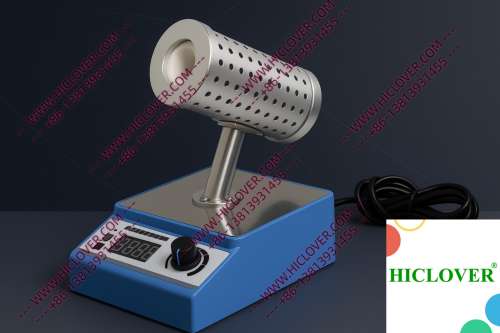
In the ever-evolving landscape of laboratory biosafety and sterilization workflows, the need for efficient and safe sterilization methods has never been more pressing. Laboratories across Mexico, particularly those focused on microbiological research, clinical diagnostics, and educational training, face ongoing challenges in maintaining contamination control. Traditional flame sterilizers, such as alcohol lamps and Bunsen burners, while common, pose inherent risks like flame hazards and aerosol generation. This is where the Micro Incinerator, specifically the Infrared Inoculating Loop Sterilizer, emerges as a game-changer.
Understanding the Technical Principles of Micro Incinerators
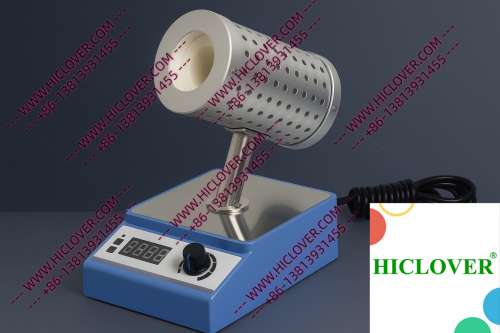
The Micro Incinerator operates on the principle of rapid thermal sterilization. With its enclosed ceramic tube and infrared heat technology, it ensures efficient and high-temperature disinfection of inoculating loops and other tools, rendering them free of contaminants within seconds.
Unlike traditional flame burners, which can produce uncontrolled heat and residue, the Micro Incinerator provides a clean, targeted application of heat, preventing the risk of cross-contamination in cleanroom environments. The ceramic heating chamber guarantees that the temperature remains steady and precise, significantly reducing the chances of thermal damage to sensitive materials.
Applications of Micro Incinerators in Real Labs
Micro Incinerators find versatile applications across various laboratory settings in Mexico:
- Biosafety Cabinets: In BSL-2 and BSL-3 microbiology labs, where safety is paramount, the Micro Incinerator can be stationed within biosafety cabinets to ensure seamless sterilization of inoculating loops without exposing personnel to open flames. This method enhances safety while complying with strict laboratory regulations.
- Field Testing: In mobile labs conducting field tests, portability and efficiency are key. The compact design of the Micro Incinerator allows researchers to sterilize equipment on-site without the need for electricity or gas. Its infrared mechanism ensures instant sterilization, which is vital when working with sensitive samples in remote locations.
Compliance and Environmental Considerations
Adhering to WHO biosafety guidelines and laboratory sterilization standards is critical for laboratories worldwide, including those in Mexico. Micro Incinerators not only align with these standards but also address the limitations of traditional methods:
- No open flames in clean rooms, reducing the risk of fire hazards.
- Minimal smoke or byproduct generation, protecting the sensitive equipment and personnel.
- Compliance with stringent sterilization protocols, ensuring reliable and effective disinfection.
As educational institutions seek to enhance their laboratory capabilities, the Micro Incinerator becomes a pivotal component of a safe and efficient sterilization workflow in teaching labs. The equipment also minimizes health risks associated with aerosol exposure, aligning with global health and safety initiatives.
Micro Incinerator vs. Traditional Flame Sterilizers
| Feature | Micro Incinerator | Traditional Flame Sterilizer |
|---|---|---|
| Heat Source | Infrared radiation | Open flame |
| Sterilization Time | Less than 10 seconds | Variable, longer |
| Cleanroom Safety | Compliant (no flames) | Non-compliant (risk of fire) |
| Contamination Control | High (enclosed chamber) | Moderate |
| Portability | High (compact design) | Low |
FAQs About Micro Incinerators in Laboratory Settings
1. What are the key advantages of using a Micro Incinerator for sterilization?
The Micro Incinerator offers enhanced safety, rapid thermal sterilization, and compliance with modern laboratory sterilization protocols, making it ideal for sensitive environments.
2. Can the Micro Incinerator be used in BSL-3 labs?
Yes, it is suitable for use in BSL-3 labs as it provides effective sterilization within biosafety cabinets without generating harmful aerosols.
3. How does the portable design benefit field testing laboratories?
Its compact design allows for easy transportation, enabling researchers to perform sterilization on-site without the need for gas or additional power sources.
4. Is the Micro Incinerator eco-friendly?
Yes, it generates minimal emissions compared to traditional flame burners, promoting a safer and greener approach to laboratory sterilization.
5. What is the lifespan of a Micro Incinerator?
With proper maintenance, a Micro Incinerator can last many years, providing consistent performance and reliability in laboratory settings.
Conclusion
The advent of Micro Incinerators, particularly the Infrared Inoculating Loop Sterilizer, is undoubtedly revolutionizing waste management and sterilization practices in Mexican laboratories. By prioritizing safety, efficiency, and compliance, these devices are fulfilling the evolving demands of modern research institutions. Whether in a high-security biosafety lab or a university teaching lab, the Micro Incinerator stands out as an indispensable tool for contamination control.
As you consider upgrading your laboratory sterilization equipment, we invite you to explore our range of Micro Incinerators and experience firsthand the new standard in sterilization technology. For inquiries and purchases, feel free to contact us today!
Categories:
Tags: