
In recent years, laboratories around the world, particularly in Pakistan, have been grappling with significant biosafety challenges and sterilization workflow demands. As the importance of contamination control escalates in microbiology labs, clinical diagnostics, and teaching institutions, the need for efficient and effective sterilization solutions has never been more pressing. Enter the innovative Micro Incinerator, specifically the Infrared Inoculating Loop Sterilizer, a game-changing technology that addresses these demands head-on.
Understanding the Micro Incinerator’s Technical Principles
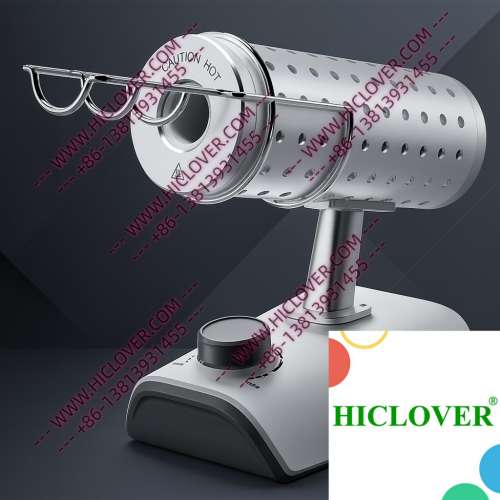
The Micro Incinerator operates on the principle of rapid thermal sterilization using infrared heat. Unlike traditional flame sterilizers—such as alcohol lamps or Bunsen burners—this device features an enclosed ceramic heating chamber that reaches high temperatures quickly and evenly. The infrared method ensures that the process is not only cleaner but also safer, as it eliminates the risk of aerosol contamination associated with open flames.
Configuration of the Micro Incinerator
A typical Micro Incinerator consists of:
- An infrared heating element that provides rapid, high-temperature disinfection.
- A reinforced ceramic tube designed to withstand high temperatures and prevent heat loss.
- A control panel for precise temperature settings, allowing for tailored sterilization processes.
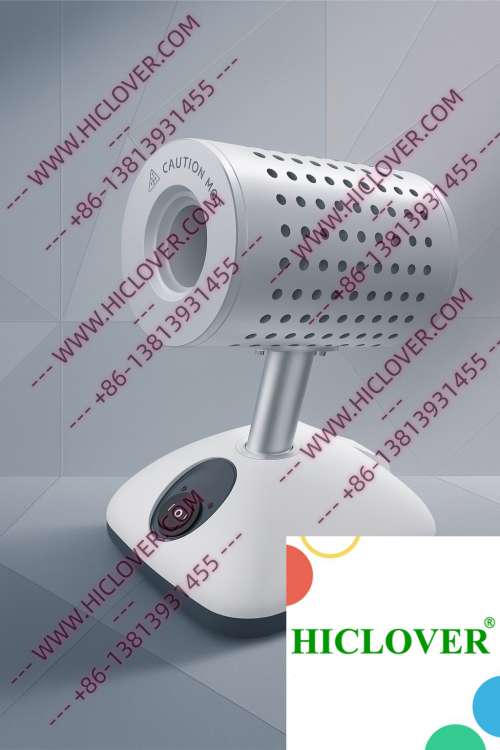
- Compact, portable design suitable for various laboratory environments, including field testing.
Practical Applications in Real Laboratory Environments
The versatility of the Micro Incinerator extends to numerous applications. Here are two prominent scenarios:
1. Teaching Labs
In university teaching labs, micro-incinerators enable students to engage in hands-on microbiology experiments while significantly reducing the risk of contamination. With the capability to sterilize inoculating loops and other tools rapidly, students can focus on their experiments without the constant threat of cross-contamination. The clean-bench-safe design ensures that instructors can teach vital sterilization techniques in a controlled and safe manner.
2. Field Testing Labs
Another important application lies in mobile or field testing labs, where traditional flaming devices pose a safety hazard. Micro Incinerators offer a compact and reliable alternative. For instance, researchers conducting environmental samples in remote locations benefit from the portability and reliability of infrared inoculating loop sterilizers. They can quickly sterilize their instruments on-site, thus ensuring accurate test results and maintaining the integrity of the samples without compromising their safety.
Compliance and Environmental Considerations
Adhering to biosafety standards is crucial in laboratory environments, and the Micro Incinerator meets a plethora of these regulations, including WHO biosafety guidelines. One significant advantage is that it eliminates the need for open flames within clean rooms, thereby reducing the risk of an uncontrollable fire and ensuring a safer working environment.
Laboratory sterilization standards dictate that all equipment used must effectively eradicate pathogens without leaving harmful residues. Additionally, the Micro Incinerator’s no-flame design contributes significantly to creating a safer lab atmosphere, especially in high-containment laboratories, such as BSL-2 or BSL-3 facilities.
Comparative Analysis: Micro Incinerators vs. Traditional Flame Sterilizers
| Feature | Micro Incinerator | Flame Sterilizers |
|---|---|---|
| Temperature Control | Precise infrared heat | Variable based on flame |
| Aerosol Generation | Minimal | High risk |
| Safety | Clean-bench-safe | Fire hazard |
| Portability | Highly portable | Limited mobility |
| Maintenance | Low | Higher due to soot |
Frequently Asked Questions
What is the advantage of using a Micro Incinerator over a Bunsen burner?
The Micro Incinerator provides rapid thermal sterilization without generating aerosols, thus reducing contamination risk. Its compact design also offers excellent portability compared to traditional burners.
Are Micro Incinerators compliant with biosafety regulations?
Yes, Micro Incinerators meet various international biosafety standards, including WHO guidelines, making them suitable for use in BSL-2 and BSL-3 environments.
What types of materials can be sterilized using this device?
Micro Incinerators are ideal for sterilizing inoculating loops, glass slides, and other small laboratory instruments that require effective disinfection.
Can Micro Incinerators be used in field labs?
Absolutely! Their portable design and efficient sterilization capabilities make them an excellent choice for mobile and field testing laboratories.
How does the cost of operation compare to flame sterilizers?
Micro Incinerators are more cost-effective in terms of operational costs due to lower maintenance needs and minimal fuel consumption compared to traditional flame sterilizers.
Conclusion
The rising challenges in laboratory biosafety and the increasing demand for efficient sterilization methods make the Micro Incinerator an invaluable asset within the laboratory setting. As institutions in Pakistan and across the globe continue to seek innovative solutions, investing in high-quality Micro Incinerators / Infrared Inoculating Loop Sterilizers can significantly enhance laboratory workflows and safety standards. For more information on acquiring these advanced devices for your institution or project, do not hesitate to reach out to us.
Categories:
Tags: