
In the realm of laboratory biosafety, rapid and efficient sterilization processes are critical to ensure that contamination is minimized. Conventional sterilization methods, such as alcohol lamps and Bunsen burners, have long been staples in biosafety labs. However, as the demand for improved sterilization workflows grows, laboratories are turning to innovative solutions like Micro Incinerators, specifically the Infrared Inoculating Loop Sterilizer. This article explores the features, applications, and benefits of these advanced sterilization devices in various laboratory settings across Poland.
Understanding the Technical Principles of Micro Incinerators
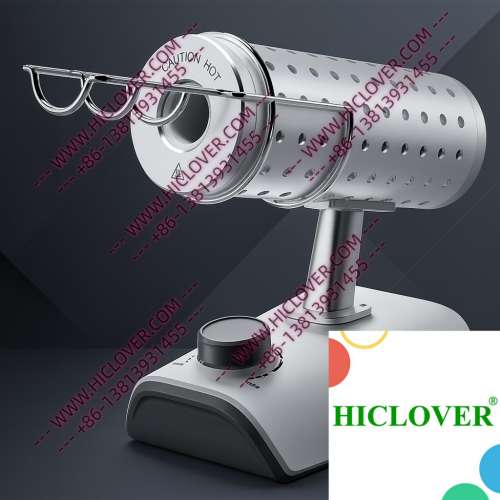
The Micro Incinerator operates on the principle of infrared heat, which allows for rapid thermal sterilization of inoculating loops and other laboratory tools. This device typically features an enclosed ceramic heating chamber that reaches extremely high temperatures, providing a safe and effective solution for sterilizing equipment. The infrared technology facilitates contamination control by eliminating the need for open flames, significantly reducing the risk of aerosol generation and ensuring clean-bench-safe operations.
Key Features of the Micro Incinerator
- Rapid Thermal Sterilization: Achieves sterilization in seconds without the risk of burning or charring.
- Aerosol-Free Handling: Minimizes the risk of airborne pathogens during the sterilization process.
- Compact Design: Easily fits in any laboratory setting, including biosafety cabinets.
- Energy Efficient: Consumes less energy compared to traditional flame sterilizers.
Application Scenarios in Real Labs
Micro Incinerators are not only vital for laboratory sterilization; they are also ideal for various application scenarios that prioritize biosafety and efficiency.
1. Microbiology Labs (BSL-2 & BSL-3)
In BSL-2 and BSL-3 microbiology labs, where research involves handling infectious agents, using a Micro Incinerator ensures that all inoculating loops are sterilized effectively before and after use. The absence of an open flame in these high-containment environments reduces hazards associated with spillage and aerosolization of pathogens.
2. University Teaching Labs
In teaching laboratories, where students frequently sterilize inoculating loops, the Infrared Inoculating Loop Sterilizer provides a safe and user-friendly alternative. The rapid thermal sterilization process allows students to focus on learning techniques rather than managing flame-based equipment. This encourages beginner-friendly practices while maintaining a high standard of biosafety.
Compliance and Environmental Considerations
Compliance with biosafety standards is paramount in laboratory settings. The World Health Organization (WHO) recommends strict adherence to sterilization protocols, emphasizing the need for equipment that mitigates risks associated with infectious agents. As traditional methods like Bunsen burners pose risks through open flames, the Micro Incinerator surpasses these standards, allowing for flame-free sterilization in clean rooms and reducing the potential for fire hazards.
Furthermore, the energy efficiency of Micro Incinerators contributes to environmental sustainability, making them an appealing option for labs looking to reduce their carbon footprint.
Comparison Table: Micro Incinerator vs. Flame Burners
| Feature | Micro Incinerator | Flame Burners |
|---|---|---|
| Sterilization Time | Seconds | Minutes |
| Risk of Aerosols | Low | High |
| Flame-Free | Yes | No |
| Energy Efficiency | High | Moderate |
FAQs
What is a Micro Incinerator?
A Micro Incinerator is a laboratory sterilization device that uses infrared technology to rapidly sterilize instruments without the use of open flames.
How does the Infrared Inoculating Loop Sterilizer work?
The Infrared Inoculating Loop Sterilizer works by generating intense heat through an enclosed ceramic chamber, eliminating microbial life from inoculating loops and other small laboratory tools in seconds.
What are the benefits of using a Micro Incinerator in BSL-2 labs?
Micro Incinerators offer rapid sterilization, reduced aerosol risk, and compliance with biosafety standards, making them ideal for maintaining laboratory safety in BSL-2 environments.
Can Micro Incinerators be used in teaching labs?
Yes, they are perfect for teaching labs due to their safety features, ease of use, and quick sterilization capabilities, allowing students to practice techniques without extensive supervision.
Are Micro Incinerators environmentally friendly?
Yes, Micro Incinerators have energy-efficient designs that contribute to environmental sustainability, making them a favorable choice for modern laboratories.
Conclusion
The rise of Micro Incinerators in Poland’s laboratories marks a significant step forward in biosafety and sterilization practices. As laboratories seek to improve their workflows and adhere to strict safety regulations, these advanced sterilization devices emerge as essential tools. Whether you are in the realm of clinical diagnostics, university labs, or field testing, incorporating Micro Incinerators can not only enhance laboratory efficiency but also promote a safer work environment.
For laboratories looking to invest in high-quality Micro Incinerators or Infrared Inoculating Loop Sterilizers, we invite you to reach out to us for more information and detailed specifications.
Categories:
Tags: