
In the realm of modern laboratory practices, the emphasis on biosafety and sterilization has never been more pressing. Laboratories, especially those engaged in BSL-2 and BSL-3 microbiological research, face continuous challenges in effective sterilization workflows. Traditional methods, such as alcohol lamps and Bunsen burners, pose significant risks of contamination, aerosol generation, and inefficiency. As the demand for safer and more effective sterilization methods rises, the Micro Incinerator, specifically the Infrared Inoculating Loop Sterilizer, emerges as a game-changing solution.
The Technical Principle of Infrared Sterilization
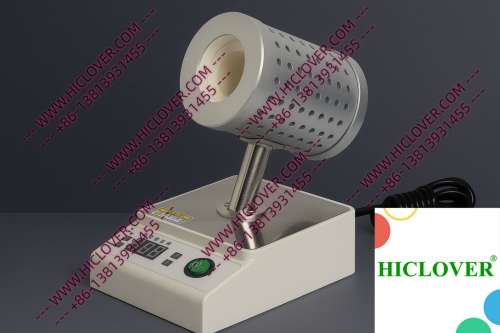
The Micro Incinerator operates based on a fundamentally different principle compared to traditional sterilizers. Utilizing an enclosed ceramic heating chamber, this device employs rapid thermal sterilization through infrared heat. This technology enables the sterilization of inoculating loops, needles, and other small instruments without the risk of open flames.
Key features include:
- High-Temperature Disinfection: Achieves temperatures exceeding 800°C within seconds.
- Enclosed System: Reduces contamination risk and enhances user safety.
- Aerosol-Free Handling: Minimizes the risk of airborne pathogens.
- No open flames in clean rooms, vital for maintaining sterile environments.
- Comprehensive compliance with laboratory sterilization standards.
- Controlled sterilization processes, minimizing the creation of hazardous aerosols.
- Enhanced Safety: Micro Incinerators eliminate the risk of fire hazards associated with flame sterilizers.
- Efficiency: Achieves rapid thermal sterilization with minimal downtime.
- Contamination Control: The enclosed ceramic tube significantly reduces contamination chances in sensitive research environments.
- Cost-Effective: Decreases the need for consumables such as alcohol or gas refills.
Applications in Real Laboratories
1. Laboratory Settings: Biosafety Cabinets
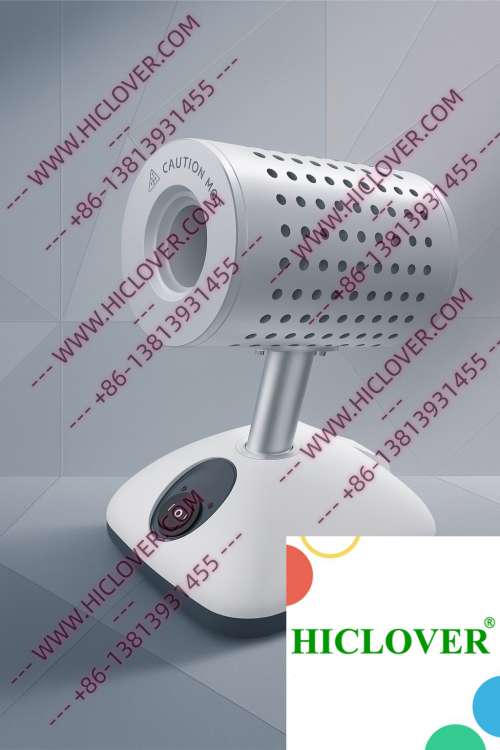
In a typical laboratory biosafety cabinet, maintaining an aseptic environment is crucial. The compact size and quick operational capabilities of Micro Incinerators allow lab technicians to quickly sterilize instruments without compromising safety. As a result, there is no need to open the biosafety cabinet unnecessarily, minimizing contamination risks.
2. Field Testing Environments
Mobile laboratories, particularly those engaged in field testing, demand portable yet effective sterilization solutions. The Micro Incinerator’s lightweight design and ease of use make it perfect for researchers working in the field. For example, during environmental sampling for clinical diagnostics, scientists can quickly sterilize their tools on-site, ensuring that their samples remain uncontaminated.
Compliance with Biosafety Standards
Adhering to international biosafety standards is a non-negotiable aspect of laboratory operations. The World Health Organization (WHO) emphasizes the need for effective sterilization methods that eliminate risks associated with pathogenic microorganisms. The Micro Incinerator not only meets but exceeds these guidelines by ensuring:
In the UK, regulatory bodies continue to advocate for innovations like the Micro Incinerator that enhance laboratory safety and optimize waste management practices.
Advantages of Micro Incinerators Over Traditional Flame Sterilizers
Comparison Table: Micro Incinerator vs. Flame Burners
| Feature | Micro Incinerator | Flame Burners |
|---|---|---|
| Temperature Control | Precise & Rapid | Manual |
| Risk of Contamination | Low | High |
| Usability | Simple Operation | Requires Experience |
| Environmental Safety | Meets Regulations | Potentially Hazardous |
Frequently Asked Questions
1. What is the main benefit of using a Micro Incinerator in laboratories?
The primary benefit is enhanced safety and efficiency in sterilization processes, particularly in maintaining a contamination-free environment.
2. Can Micro Incinerators be used in clean rooms?
Yes, they are designed to operate without open flames, making them ideal for use in clean and controlled laboratories.
3. How do Micro Incinerators compare to autoclaves?
While autoclaves utilize steam for sterilization, Micro Incinerators provide immediate sterilization through infrared high-temperature disinfection, making them faster for immediate use.
4. Are Micro Incinerators energy-efficient?
Yes, they use minimal power compared to traditional flame sterilizers, which need constant fuel supplies.
5. What maintenance is required for a Micro Incinerator?
Regular cleaning of the ceramic heating chamber and ensuring proper ventilation are key maintenance steps to ensure optimal performance.
Conclusion: Embrace the Future of Laboratory Sterilization
The emergence of Micro Incinerators represents a significant advancement in the landscape of laboratory sterilization. Facilitating rapid, efficient, and safe sterilization processes, these devices not only comply with stringent biosafety standards but also cater to the evolving needs of today’s laboratories. If you are considering enhancing your laboratory’s sterilization protocols, the Micro Incinerator/Infrared Inoculating Loop Sterilizer may be your next best investment. Reach out to us today for more information or to make a purchase!
Categories:
Tags: