
In modern laboratory environments, particularly in biosafety settings like BSL-2 and BSL-3 microbiology labs, the pressing need for effective sterilization methods is paramount. Contaminated equipment and biohazardous waste must be handled with a process that not only ensures thorough disinfection but also complies with rigorous biosafety standards. Laboratories require reliable, clean, and efficient sterilization workflows, making the adoption of innovative solutions, such as the Micro Incinerator and Infrared Inoculating Loop Sterilizer, increasingly critical.
Understanding the Technical Principles of Micro Incinerators
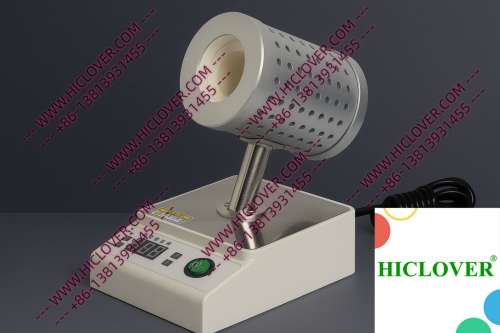
The Micro Incinerator utilizes advanced infrared heating technology to provide rapid thermal sterilization, successfully eliminating unwanted pathogens without the drawbacks associated with traditional flame sterilizers such as alcohol lamps or Bunsen burners. At the core of this device is a precisely designed enclosed ceramic heating chamber that reaches high temperatures almost instantaneously whilst minimizing the risk of flame-related accidents.
The infrared technology employs a specific wavelength that primarily affects biological contaminants, ensuring effective high-temperature disinfection while preserving the integrity of laboratory instruments. Furthermore, the process generates no odor or harmful emissions, making it an ideal choice for use in breath-sensitive environments such as clean rooms and biosafety cabinets.
Applications of Micro Incinerators in Laboratory Settings
Micro Incinerators and Infrared Inoculating Loop Sterilizers have diverse applications across various laboratory settings:
- Biosafety Cabinets: In BSL-2 and BSL-3 laboratories, these devices serve to rapidly sterilize inoculating loops and other small instruments within the safety of biosafety cabinets, thus reducing the risk of airborne contamination and ensuring a clean working environment.
- Field Testing: Mobile or field testing labs benefit from the compact and high-efficiency design of micro incinerators, enabling them to sterilize tools on-site. This capability is invaluable for ensuring accurate test results without the risk of cross-contamination.
- University Teaching Labs: Educational institutions utilizing Micro Incinerators enhance the laboratory training experience. Students can learn proper sterile techniques with a safe, effective method that emphasizes the importance of contamination control.
Compliance with Biosafety Standards
Compliance with international guidelines and standards is essential for laboratory sterilization equipment. The World Health Organization (WHO) has established biosafety recommendations that necessitate strict adherence to sterilization protocols to mitigate infection risks. Micro Incinerators effectively meet these requirements by offering a flame-free, environmentally safe solution for managing biohazardous waste.
In contexts where clean-bench-safe environments are non-negotiable, the absence of open flames enhances safety in clean rooms and sensitive laboratory settings. This compliance with lab sterilization standards serves to protect not only the laboratory personnel but also the integrity of experiments conducted within these critical environments.
Comparative Analysis: Micro Incinerator vs. Flame Burners
| Feature | Micro Incinerator | Traditional Flame Sterilizers |
|---|---|---|
| Flame-free operation | Yes | No |
| Rapid thermal sterilization | Yes | Varies |
| Odor production | No | Yes |
| Environmental safety | High | Low |
| Controlled sterilization environment | Excellent | Poor |
Addressing Frequently Asked Questions
- What are the main benefits of using a Micro Incinerator in the lab?
The Micro Incinerator offers flame-free, high-temperature sterilization that enhances safety, minimizes contamination, and ensures adherence to biosafety standards. - How does the Micro Incinerator compare to traditional sterilization methods?
Unlike traditional flame sterilizers, Micro Incinerators eliminate odors, provide rapid sterilization, and operate in clean environments without the risks associated with open flames. - Can the Micro Incinerator be used in field testing labs?
Yes, its compact design makes it an excellent choice for on-site equipment sterilization in mobile laboratories. - Is the Micro Incinerator compliant with international biosafety standards?
Yes, it meets stringent biosafety guidelines, including those established by WHO for safe laboratory practices. - How does the infrared heating technology work?
The infrared technology focuses on thermal destruction of biological matter at a molecular level, achieving sterilization quickly and efficiently.
Conclusion
As the landscape of laboratory sterilization evolves, the rise of odorless Micro Incinerators exemplifies significant advancements in waste management technologies. Offering remarkable advantages over traditional flame sterilizers, including enhanced safety, compliance with international biosafety standards, and operational efficiency, Micro Incinerators are ideal tools for maintaining contamination control across laboratory environments.
For laboratory supply distributors, hospitals, universities, and research centers looking to improve their sterilization workflows, now is the perfect time to explore Micro Incinerators and their capabilities. Invest in a solution that not only meets regulatory compliance but also enhances safety and operational efficiency in your lab. Contact us today to learn more about our Micro Incinerator products and how they can revolutionize your waste management practices.
Categories:
Tags: