
In the ever-evolving landscape of laboratory practices, one of the most pressing challenges remains ensuring sterility while minimizing contamination risks. Laboratory professionals face a range of biosafety challenges, particularly in high-stakes environments such as BSL-2 and BSL-3 labs, where the control of harmful biological agents is paramount. The introduction of advanced sterilization technologies, particularly Micro Incinerators and Infrared Inoculating Loop Sterilizers, has significantly transformed sterilization workflows, enabling rapid, clean, and efficient sterilization processes without the use of open flames.
Understanding the Technical Principles
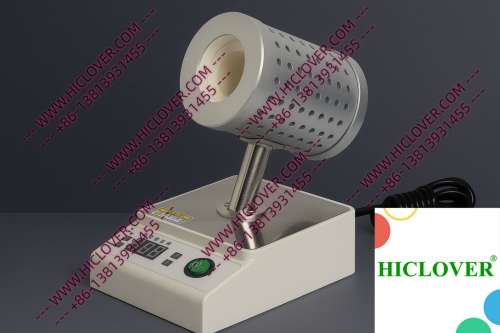
The Micro Incinerator operates using infrared heat, providing high-temperature disinfection without the need for hazardous flames. Within the enclosed ceramic tube, the infrared radiation generates extreme temperatures that effectively sterilize inoculating loops and similar equipment in mere seconds. This design mitigates the risk of aerosol contamination, a critical factor in maintaining laboratory safety and hygiene. Unlike traditional methods, such as alcohol lamps and Bunsen burners, the Micro Incinerator provides a clean-bench-safe solution ideal for a variety of laboratory settings.
Features and Configurations
- Rapid Thermal Sterilization: Achieves sterilization in as little as 5-10 seconds.
- Compact Design: Ideal for limited bench space; easy to transport in mobile labs.
- Temperature Control: Adjustable settings that cater to various sterilization requirements.
- Environmentally Friendly: Produces no flames or harmful emissions, ensuring compliance in clean laboratories.
- WHO Laboratory Biosafety Manual
- CEN/TS 16868:2017 – Safety in Laboratories
- ISO 15189 – Medical Laboratories
Applications in Real Laboratory Settings
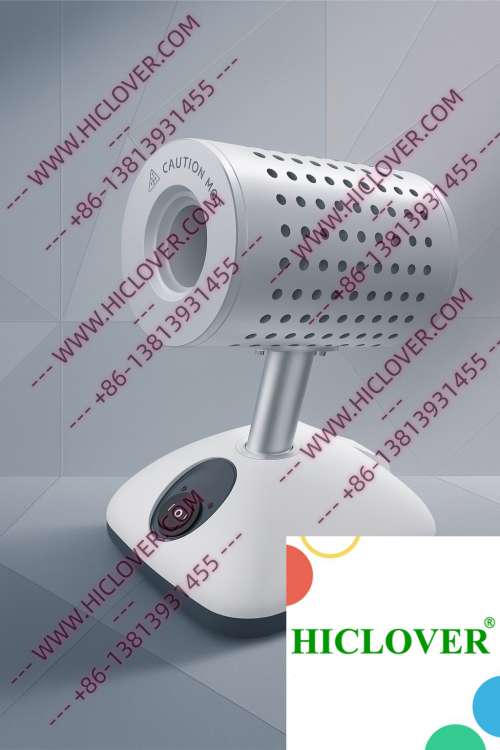
The versatility of Micro Incinerators is evident in multiple laboratory scenarios. Here are a couple of practical use cases:
1. Biosafety Cabinet Operational Efficiency
In biosafety cabinets, where maintaining a sterile environment is essential, the Micro Incinerator allows for immediate sterilization of inoculating loops during microbiological procedures. Researchers can use the equipment without worrying about the dangers associated with open flames, significantly reducing the likelihood of cross-contamination and preserving the integrity of sensitive experiments.
2. Field Testing in Mobile Labs
For field testing in rural or underserved areas, such as clinical diagnostics in remote communities, using a Micro Incinerator ensures that samples can be processed on-site without the need for elaborate sterilization setups. Here, the compact nature of the device is a significant advantage, allowing pathologists to operate efficiently in challenging environments while upholding stringent biosafety standards.
Compliance and Environmental Considerations
Globally recognized organizations such as the World Health Organization (WHO) advocate for stringent biosafety practices in laboratories to mitigate risks associated with biological hazards. The Micro Incinerator aligns with numerous laboratory sterilization standards, making it an indispensable tool for compliance. Its design eliminates the need for flames, thereby supporting sterile conditions in cleanrooms and minimizing the risk of fire hazards and aerosol generation.
Compliance Reference
Adopting Micro Incinerators can significantly enhance compliance with the following standards:
Comparison of Micro Incinerator and Traditional Flame Sterilizers
| Feature | Micro Incinerator | Flame Sterilizers |
|---|---|---|
| Speed of Sterilization | 5-10 seconds | 20-30 seconds |
| Contamination Control | High (no aerosols) | Moderate (risk of aerosols) |
| Operational Safety | Very Safe (no open flames) | Risky (open flames present) |
| Environmental Impact | Minimal | High (CO2 emissions) |
| Usability in Cleanrooms | Ideal for clean environments | Unsuitable |
Frequently Asked Questions (FAQs)
What is the advantage of using a Micro Incinerator over traditional flame sterilizers?
The primary advantage is enhanced safety and efficiency. Micro Incinerators provide rapid and effective sterilization while eliminating the risks associated with open flames, such as fire hazards and aerosol production.
Can a Micro Incinerator be used in a cleanroom environment?
Yes, Micro Incinerators are designed to operate safely in cleanroom settings due to their flame-free operation, making them suitable for maintaining sterile conditions.
How long does it take to sterilize an inoculating loop with a Micro Incinerator?
It typically takes 5-10 seconds to achieve complete sterilization, which is significantly faster than traditional flame sterilizers.
Are there any specific maintenance protocols for Micro Incinerators?
Routine cleaning of the ceramic tube and periodic checks of the heating elements are recommended to ensure optimal performance and longevity.
Conclusion
As laboratories increasingly grapple with the need for efficient, safe, and compliant sterilization solutions, Micro Incinerators represent a revolutionary advancement in laboratory sterilization equipment. Their ability to provide rapid thermal sterilization while adhering to strict biosafety standards positions them as the ideal choice for a wide range of laboratory environments—from university teaching labs to field testing operations. For those interested in upgrading their sterilization practices, we encourage you to explore our high-quality Micro Incinerators today and elevate your laboratory’s performance.
Categories:
Tags: