
In today’s highly specialized laboratory environments, where biosafety is a top priority, the need for efficient and effective sterilization processes cannot be overstated. Traditional methods, such as alcohol lamps and Bunsen burners, while useful, come with significant challenges, including open flames that pose safety risks and contamination control issues. As laboratories strive for higher compliance with biosafety standards and seek to enhance their sterilization workflows, innovative solutions like portable micro incinerators are emerging as game-changers in the Philippines.
Understanding Portable Micro Incinerators
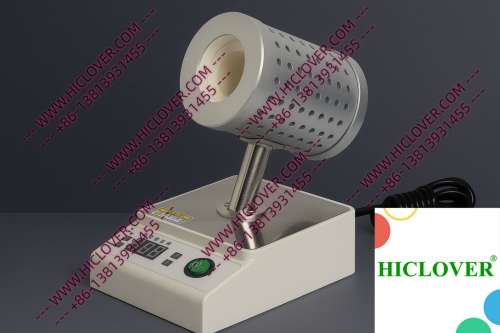
At the heart of portable micro incinerators, particularly the Infrared Inoculating Loop Sterilizer, lies the principle of rapid thermal sterilization. These devices utilize infrared heat technology, which allows for high-temperature disinfection without the hazards associated with open flames. Unlike traditional flame sterilizers that can introduce aerosols and destabilize sterile environments, micro incinerators feature an enclosed ceramic heating chamber that guarantees clean, effective sterilization.
Key Features of Micro Incinerators
- Rapid Sterilization: Achieves sterilization in seconds, drastically improving workflow efficiency.
- Safety: No open flames — lowers the risk of fire and contamination.
- Portability: Lightweight and compact design, suitable for fieldwork and various laboratory settings.
- Durability: Ceramic heating elements provide long-lasting performance and reduce maintenance needs.
- Ergonomic Design: User-friendly interface makes it easy to operate, even for less experienced staff.
- How does a micro incinerator differ from traditional sterilizers?
Micro incinerators use infrared technology for rapid sterilization without the risks associated with flames. - Can micro incinerators be used in field testing?
Absolutely! Their portable design makes them ideal for use in various field testing environments. - Are micro incinerators compliant with international safety standards?
Yes, they comply with WHO biosafety regulations and are suitable for use in cleanroom environments. - What is the typical lifespan of a micro incinerator?
With proper maintenance, micro incinerators can last for many years due to their durable construction. - Do micro incinerators require special training to operate?
No, they are designed to be user-friendly, allowing easy operation with minimal training.
Applications of Micro Incinerators in Laboratories
The versatility of micro incinerators provides several practical applications in different laboratory settings. For example, in a BSL-2 microbiology lab, where containment and sterilization are paramount, these devices ensure that inoculating loops and instruments are adequately sterilized before use, minimizing the risk of cross-contamination among cultures. Moreover, in field testing environments, portable incinerators enable researchers to sterilize tools on-site while adhering to biosafety protocols, enhancing the reliability of the collected data.
Use Case 1: Biosafety Cabinets
Within biosafety cabinets, where maintaining a sterile environment is critical, micro incinerators can extensively streamline sterilization processes. Their rapid thermal sterilization ensures that instruments remain free from contaminants without exposing the lab to aerosols, thus combining efficiency and safety. Laboratory personnel can focus on their experiments without the concern of potential sterilization failures that could compromise the results.
Use Case 2: Teaching Labs
University teaching labs also benefit immensely from the introduction of micro incinerators. As students learn the fundamentals of microbiology and laboratory safety, utilizing these cutting-edge sterilization tools not only enhances their experience but also prepares them for modern lab practices. Instructors can efficiently and effectively demonstrate sterilization techniques while ensuring a clean, safe learning environment.
Biosafety Compliance and Environmental Considerations
With stringent biosafety regulations set forth by organizations such as the World Health Organization (WHO), today’s laboratories must comply with various standards. These include maintaining a smoke-free environment inside clean rooms and using methods that reduce harmful emissions. Micro incinerators, with their closed-system design and high-temperature capabilities, help labs meet these compliance standards effectively while also contributing to environmental sustainability.
Comparison of Micro Incinerators and Traditional Flame Sterilizers
| Feature | Micro Incinerator | Flame Sterilizers |
|---|---|---|
| Safety | No open flames, risk-free | Open flames, potential fire hazards |
| Efficiency | Instant sterilization in seconds | Longer heating time |
| Portability | Lightweight and compact | Less portable |
| Contamination Control | Aerosol-free handling | Increased contamination risk |
| Environment | Eco-friendly options available | Fueled by flammable liquids |
FAQs about Micro Incinerators
Conclusion: Join the Revolution in Laboratory Sterilization
As the landscape of laboratory operations evolves, portable micro incinerators like the Infrared Inoculating Loop Sterilizer are redefining standards for safety, efficiency, and environmental responsibility. If you are looking to upgrade your laboratory’s sterilization capabilities or improve waste management practices, consider investing in this innovative technology. For personalized advice and product inquiries, don’t hesitate to reach out. Revolutionize your sterilization process today!
Categories:
Tags: