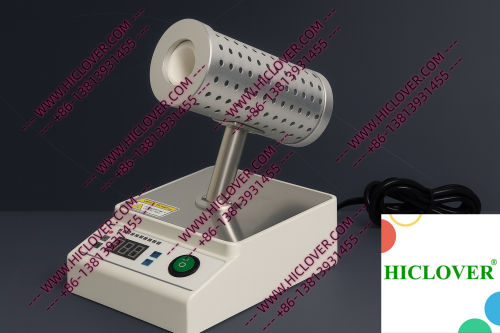
The field of laboratory biosafety is continuously evolving, responding to increasing demands for effective sterilization methods amidst complex workflows. Traditional sterilization techniques, such as alcohol lamps and Bunsen burners, have long been staples in laboratory settings. However, challenges related to biohazard containment, aerosol generation, and limited portability have prompted a shift towards more sophisticated solutions. Enter the portable micro incinerator, particularly the Infrared Inoculating Loop Sterilizer, a game-changer in laboratory sterilization equipment.
Understanding the Technical Principles
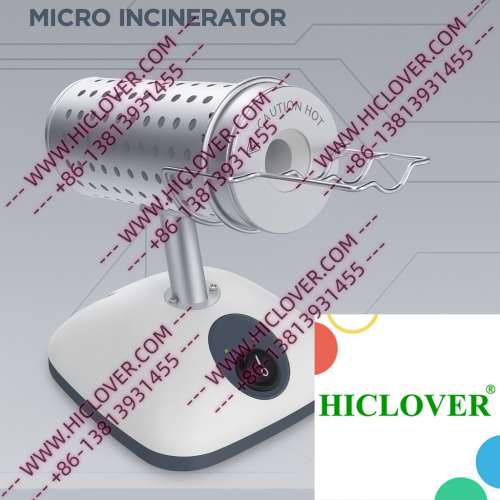
The micro incinerator utilizes rapid thermal sterilization through infrared heat within a specially designed enclosed ceramic heating chamber. Unlike flame-based systems, which can produce harmful aerosols and may be unsafe in cleanroom environments, micro incinerators offer precise temperature control without generating a visible flame. This is critical for maintaining sterile conditions, especially in sensitive areas such as BSL-2 and BSL-3 microbiology labs.
The infrared technology delivers high-temperature disinfection very quickly and safely, allowing researchers to effectively sterilize inoculating loops, needles, and other instruments used in microbial research. The rapid heating and cooling cycles of the ceramic heating elements ensure that contamination control is maximized, providing reliable and repeatable sterilization results.
Applications of Micro Incinerators
Micro incinerators are versatile tools, suited for various laboratory environments. Below are two common application scenarios:
- Biosafety Cabinets: When working in biosafety cabinets, maintaining contamination-free environments is essential. Micro incinerators can be employed for sterilizing inoculating loops and other equipment to prevent cross-contamination, making them an indispensable part of laboratory workflows.
- Teaching Labs: In university teaching labs, students frequently practice sterile techniques in microbiology. A micro incinerator provides a safe and efficient means for instructors to demonstrate proper sterilization methods without the risks associated with open flames.
Compliance with Biosafety Standards
Alongside workflow efficiency, compliance with established standards is paramount in laboratory settings. The World Health Organization (WHO) has laid down guidelines to ensure the safe handling of biological specimens and effective sterilization protocols. Micro incinerators align with WHO biosafety recommendations by offering flame-free sterilization, thus reducing the risk of igniting volatile materials in cleanroom environments.
Additionally, adopting micro incinerators ensures adherence to lab sterilization standards, which dictate safe and effective sterilization practices. The transition from traditional flame sterilizers to micro incinerators signifies a move towards modern compliance norms, aligning with stringent laboratory safety regulations.
Comparison: Micro Incinerator vs. Traditional Flame Burners
| Feature | Micro Incinerator | Traditional Flame Burners |
|---|---|---|
| Heat Source | Infrared (Ceramic Heating Chamber) | Open Flame |
| Aerosol Generation | No Aerosols | Potential Aerosols |
| Portability | Highly Portable | Limited Portability |
| Efficiency | Rapid Thermal Sterilization | Slower Heating Times |
| Safety | Clean-bench-safe | Risks of Burns and Ignition |
Regional Considerations
Laboratory needs vary by region, reflecting local regulations and practices. Major cities with active research institutions, like Boston, MA, or London, UK, are now implementing micro incinerators in their labs to promote safer sterilization protocols. Furthermore, global NGOs involved in public health initiatives are actively adopting these innovative solutions in mobile or field testing labs, demonstrating the micro incinerator’s global relevance.
Frequently Asked Questions (FAQs)
- What are the primary benefits of using a micro incinerator in a lab?
Micro incinerators provide rapid thermal sterilization, are safe for cleanroom environments, and reduce aerosol generation, thereby enhancing contamination control. - Can micro incinerators be used in field testing scenarios?
Yes, their portable design makes them ideal for field testing, allowing for effective sterilization in diverse locations without the risks associated with open flames. - Are micro incinerators compliant with WHO biosafety standards?
Yes, they align with WHO guidelines by providing a safer alternative to traditional flame sterilization methods, essential for handling biological materials. - How do I maintain a micro incinerator?
Regular cleaning and inspection of the ceramic heating chamber are advisable to ensure optimal performance and longevity of the device. - What materials can be sterilized using a micro incinerator?
Micro incinerators are suitable for sterilizing laboratory instruments such as inoculating loops, needles, and glass pipettes.
Conclusion
The shift towards micro incinerators represents a significant advancement in laboratory sterilization practices, effectively addressing the practical biosafety challenges of modern labs. By employing infrared technology, these portable devices enhance workflow efficiency while ensuring compliance with international biosafety standards. As the demand for innovative sterilization solutions grows, consider integrating a micro incinerator into your laboratory setup. For inquiries or procurement, please reach out to us—discover how you can enhance sterilization protocols today!
Categories:
Tags: