
In the ever-evolving landscape of laboratory safety and sterilization, professionals are constantly confronted with the challenges of contamination control and effective biosafety practices. Traditional methods of sterilization, notably flame-based solutions such as alcohol lamps and Bunsen burners, pose risks that are increasingly viewed as incompatible with modern laboratory demands. Consequently, the emergence of temperature-controlled micro incinerators, specifically the Micro Incinerator / Infrared Inoculating Loop Sterilizer, marks a significant leap forward in ensuring safe and efficient laboratory environments.
Addressing Laboratory Biosafety Challenges
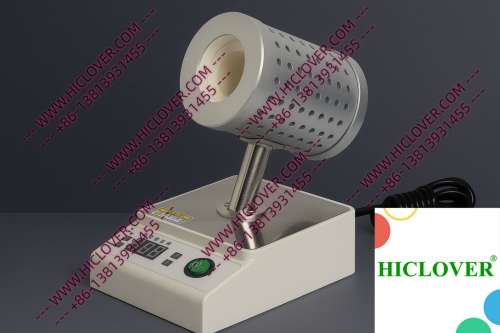
Laboratories, particularly those operating under BSL-2 and BSL-3 guidelines, require effective sterilization methods that prioritize safety and efficiency. Aerosol generation, a significant risk associated with traditional flame sterilization, can compromise the sterility of the workspace, leading to potential contamination of samples and the lab environment. Micro incinerators provide a compelling solution through rapid thermal sterilization methods that ensure a clean, flame-free handling of inoculating loops and other instruments.
Technical Principles Behind Micro Incinerators
The Micro Incinerator employs an innovative infrared heating technology that provides high-temperature disinfection while safeguarding laboratory workers from the inherent dangers of open flames. At the core of this technology is the enclosed ceramic heating chamber, which allows for a focused, consistent heat source that reaches sterilization temperatures rapidly. Unlike traditional burners that require time to heat up, micro incinerators achieve operational readiness almost instantaneously, fostering a more efficient workflow in laboratory settings.
Product Configuration and Features
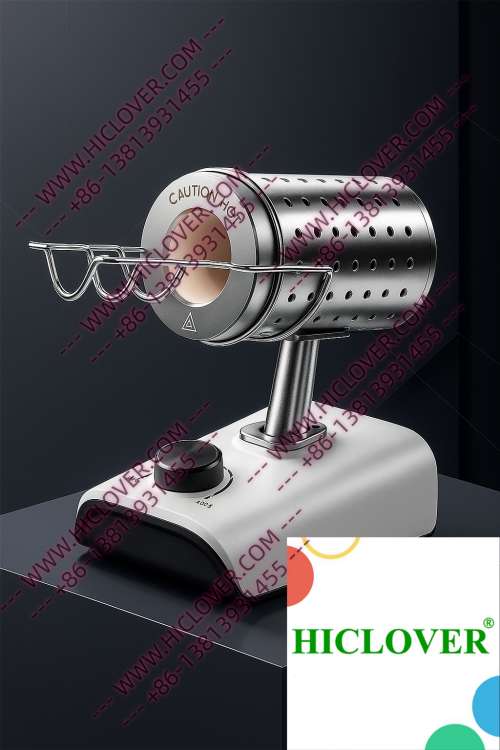
- Compact Design: Space-saving configuration ideal for biosafety cabinets, field tests, and teaching labs.
- Fast Heating Capability: Inoculating loops can be sterilized within seconds, enhancing workflow efficiency.
- No Flame Emission: Reduces the risk of accidents and preserves the integrity of cleanroom environments.
- Durability: Built to withstand the rigors of frequent use without compromising performance.
Application Scenarios in Real Laboratories
1. Working in Biosafety Cabinets
Within BSL-2 environments, biosafety cabinets serve to protect both the personnel and the samples. The micro incinerator’s enclosed design fits seamlessly into these hoods, providing an ideal sterilization method without generating aerosols. Researchers can confidently use inoculating loops after rapid sterilization, minimizing the risk of contamination during sensitive microbiological applications.
2. Field Testing and Mobile Laboratories
In settings where mobility is critical, such as field testing labs deployed for environmental assessments, the micro incinerator shines. Its compact and lightweight design allows for ease of transport while offering reliable performance in sterilization. This portability empowers researchers to conduct accurate diagnostics even in remote locations, ensuring sample integrity is maintained throughout the testing process.
Compliance with Biosafety Standards
Adherence to biosafety regulations is paramount in laboratory environments. The World Health Organization (WHO) and various national laboratory sterilization standards emphasize the necessity for effective sterilization methods that comply with stringent safety requirements. The use of micro incinerators ensures elimination of contaminants with no open flame, aligning perfectly with cleanroom protocols and waste management practices, therefore providing peace of mind that lab safety standards are consistently met.
Comparison of Sterilization Methods
| Features | Micro Incinerator | Traditional Flame Sterilizers |
|---|---|---|
| Heat Source | Infrared Heating | Open Flame |
| Heating Time | Seconds | Minutes |
| Portability | Highly Portable | Less Portable |
| Safety | Flame-free Operation | Flame Risk |
Frequently Asked Questions (FAQs)
1. How does the micro incinerator differ from traditional sterilization methods?
The micro incinerator uses infrared heat for rapid sterilization, significantly reducing the risk of contamination compared to traditional flame burners that can generate aerosols and require longer heating times.
2. Can the micro incinerator be used in BSL-3 labs?
Yes, the micro incinerator’s flame-free design and efficiency make it suitable for use in BSL-3 laboratories, ensuring maximum safety for personnel and the environment.
3. How quickly can I sterilize inoculating loops?
Inoculating loops can be sterilized within seconds, significantly improving workflow and efficiency compared to traditional methods.
4. Does the micro incinerator meet WHO biosafety standards?
Absolutely, the micro incinerator is designed to meet and exceed WHO guidelines, ensuring compliance with laboratory safety and sterilization protocols.
5. Are there specific maintenance requirements for the micro incinerator?
Maintenance is minimal; however, regular cleaning to remove any debris within the ceramic chamber is advised to maintain optimal performance.
Conclusion
As the landscape of laboratory sterilization continues to evolve, temperature-controlled micro incinerators represent a leap forward in both efficiency and safety. By adopting solutions like the Micro Incinerator / Infrared Inoculating Loop Sterilizer, laboratories can ensure compliance with the highest biosafety standards while improving workflow and minimizing contamination risks. Transform your laboratory practices today by integrating cutting-edge technology that enhances safety and reliability. Reach out to discover how you can incorporate these advanced sterilization solutions into your lab setting.
Categories:
Tags: