
Addressing Laboratory Biosafety Challenges
In the heart of Dakar, hospitals and laboratories face persistent biosafety challenges, especially in managing potentially hazardous medical waste. The need for effective sterilization paradigms is pivotal, given the increasing demand for rapid thermal sterilization to maintain patient safety and uphold stringent sanitary standards. A new wave of laboratory sterilization equipment, particularly the Micro Incinerator, emerges as a game-changer in the context of healthcare waste management and laboratory safety.
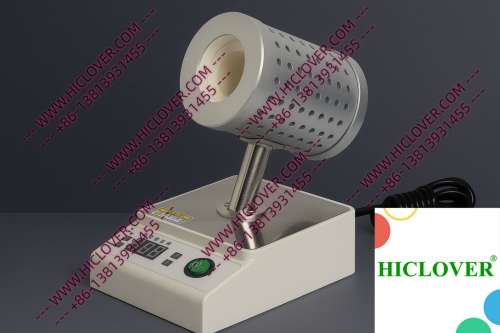
The Micro Incinerator: Technical Principles and Configuration
The Micro Incinerator, specifically designed for laboratory use, relies on infrared heat technology to ensure high-temperature disinfection. Unlike traditional flame sterilizers, which rely on open flames, this innovative device comprises an enclosed ceramic heating chamber that provides rapid and uniform heating. The infrared radiation efficiently targets the inoculating loop or tool, ensuring thorough sterilization without the risks associated with naked flames.
This equipment is particularly advantageous in clean rooms or BSL-2 and BSL-3 microbiology labs where contamination control is critical. The enclosed design minimizes the risk of aerosol production during the sterilization process, making it a clean-bench-safe solution.
Application Scenarios in Laboratories
1. Use in Biosafety Cabinets
In a typical university teaching lab, the Micro Incinerator can be seamlessly integrated into biosafety cabinets. The high-temperature sterilization ensures that any microbial pathogens present on inoculating loops and other laboratory tools are eliminated before they come into contact with sensitive samples. By using this device, laboratory personnel can confidently undertake experimental procedures without the fear of cross-contamination.
2. Field Testing Scenarios
Another application scenario is in mobile or field testing laboratories. When working with environmental samples or in remote healthcare settings, rapid sterilization is necessary to avoid contamination. The compact and portable design of the Micro Incinerator allows field testers to carry it along, ensuring that instruments are sterilized on-site, thereby maintaining the integrity of biological experiments and clinical tests.
Compliance and Environmental Considerations
Adhering to biosafety compliance is non-negotiable in laboratory settings. The World Health Organization (WHO) outlines necessary biosafety measures that significantly affect hospital sterilization practices. The Micro Incinerator meets international lab sterilization standards, ensuring no flame is present in clean rooms. This feature is critical, as open flames can lead to unintended contamination and pose significant fire hazards.
Moreover, by minimizing hazardous emissions and using energy-efficient technology, micro incinerators provide a more environmentally friendly solution compared to traditional methods of waste disposal. Their capacity to reduce waste volume significantly while eliminating potential biohazardous material is a step forward in sustainable laboratory practices.
Comparative Advantages of Micro Incinerators
| Feature | Micro Incinerator | Traditional Flame Burners |
|---|---|---|
| Heat Source | Infrared | Open Flame |
| Control of Contamination | High, enclosed design | Low, risk of aerosols |
| Energy Efficiency | High | Low |
| Safety | Greater, no flame hazard | Lower, fire risk present |
| Portability | Compact | Bulkier |
FAQs about Micro Incinerators
- What is a Micro Incinerator? A device using infrared heat for sterilization of laboratory tools and equipment, ensuring rapid thermal sterilization without open flames.
- How does it differ from traditional sterilization methods? It provides enhanced safety and contamination control compared to alcohol lamps and Bunsen burners.
- Are Micro Incinerators compliant with WHO standards? Yes, they adhere to necessary biosafety protocols and offer a safer alternative for waste management in hospitals.
- Can it be used in remote field labs? Absolutely, their portable design makes them ideal for on-site sterilization in diverse settings.
- What is the lifespan of a Micro Incinerator? With proper maintenance, these devices can last for years, providing consistent reliability in laboratory settings.
Conclusion
As the demand for effective waste management solutions continues to rise in Dakar’s hospitals and laboratories, the Micro Incinerator stands as a robust and innovative option. By ensuring laboratory sterilization that meets modern biosafety standards while offering numerous operational advantages, it is ideally suited for hospitals, universities, and research institutions. Explore how investing in a Micro Incinerator can enhance your laboratory workflows and contact us today for more information or to make a purchase.
Categories:
Tags: