
Modern healthcare settings face significant laboratory biosafety challenges, especially in waste management and sterilization workflows. Hospitals in Luanda, Angola, are no exception as the demand for effective disposal methods becomes critical in preventing contamination and ensuring compliance with international biosafety standards. Utilizing traditional flame sterilizers, such as Bunsen burners and alcohol lamps, can pose risks of fire hazards and incomplete sterilization, thereby necessitating a transition to safer, advanced technologies like Micro Incinerators.
Understanding Micro Incinerators: Technical Principles and Design
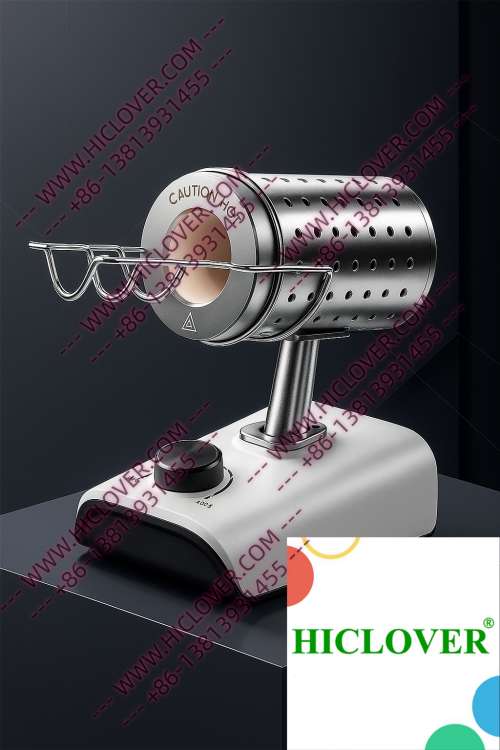
The Micro Incinerator, specifically the Infrared Inoculating Loop Sterilizer, employs cutting-edge technology to achieve rapid thermal sterilization. It operates with an enclosed ceramic heating chamber that utilizes infrared heat to attain high temperatures for effective microbial elimination. This innovative design allows for:
- Aerosol-free handling: Reduces the risk of airborne contamination.
- Clean-bench-safe: Ideal for use in biosafety cabinets without compromising the sterile environment.
- Rapid sterilization cycles: Significantly faster than traditional methods, improving laboratory efficiency.
Applications of Micro Incinerators in Laboratory Settings
Micro Incinerators have versatile applications within various laboratory environments. Here are two significant scenarios where their use proves invaluable:
Biosafety Cabinet Usage
Within BSL-2 and BSL-3 laboratories, which work with infectious agents, maintaining contamination control is paramount. Micro Incinerators serve as invaluable tools for sterilizing inoculating loops, needles, and other equipment before and after handling cultures. Their efficient disinfection capabilities ensure that cross-contamination is minimized, preserving the integrity of laboratory results.
Field Testing Laboratories
Field testing labs often operate in dynamic environments where quick sterilization is essential. The portability and lightweight design of Micro Incinerators allow researchers to sterilize equipment on-site, reducing the risk of carrying contaminated tools back to the primary laboratory. This immediacy not only enhances safety but also improves workflow efficiency, enabling accurate data collection in real-world conditions.
Compliance with International Standards and Environmental Considerations
Adhering to guidelines set by the World Health Organization (WHO) and international laboratory sterilization standards is critical for healthcare facilities in Luanda. The use of Micro Incinerators aligns with these compliance mandates, ensuring that:
- Flame sterilizers are eliminated in clean rooms, reducing contamination risks.
- High-temperature disinfection methods are adopted, minimizing environmental impact while maximizing microbial control.
- Healthcare facilities avoid the hazards associated with traditional flame sterilizers.
Comparison: Micro Incinerators vs. Traditional Flame Sterilizers
| Features | Micro Incinerators | Flame Sterilizers |
|---|---|---|
| Temperature Precision | High temperature with infrared precision | Variable temperature, dependent on user control |
| Safety | Aerosol-free, no open flame | Open flame increases fire risk |
| Speed | Rapid sterilization cycles | Longer heat-up times |
| Ease of Use | User-friendly design with minimal training | Requires extensive technique knowledge |
FAQs on Micro Incinerators
What are the primary benefits of using a Micro Incinerator in laboratories?
The main advantages include rapid thermal sterilization, reduced contamination risks, and enhanced laboratory workflow efficiency.
How does the Micro Incinerator comply with WHO biosafety standards?
The device eliminates the use of open flames and ensures consistent high-temperature disinfection, meeting the relevant sterilization standards.
Can Micro Incinerators be used in field testing labs?
Yes, their lightweight and portable design makes them ideal for use in mobile laboratories to achieve on-site sterilization.
How do Micro Incinerators compare to traditional sterilization methods?
Micro Incinerators provide faster, safer, and more effective sterilization than traditional flame-based methods, reducing the risk of contamination.
Are there any specific training requirements for using a Micro Incinerator?
While the design is user-friendly, basic training on sterilization protocols and operational guidelines is recommended to ensure effective use.
Conclusion: Contact Us for Your Sterilization Solutions
In summary, Micro Incinerators are transforming waste management and sterilization practices in Luanda’s hospitals and laboratories. Their superior technology provides unmatched advantages over traditional sterilizers, improving both safety and efficiency. For hospitals, research centers, and universities looking to enhance their sterilization workflows, investing in a Micro Incinerator is a significant step forward. Contact us today to learn more about how our solutions can meet your laboratory sterilization needs.
Categories:
Tags: