
In recent years, veterinary labs have faced increasing challenges in managing biological waste and ensuring contamination control. With stringent regulations around laboratory biosafety, the need for effective sterilization solutions has never been more critical. Among these solutions, the Micro Incinerator or Infrared Inoculating Loop Sterilizer has emerged as a game-changing technology that streamlines sterilization workflows while promoting high safety standards.
Technical Principles of Micro Incinerators
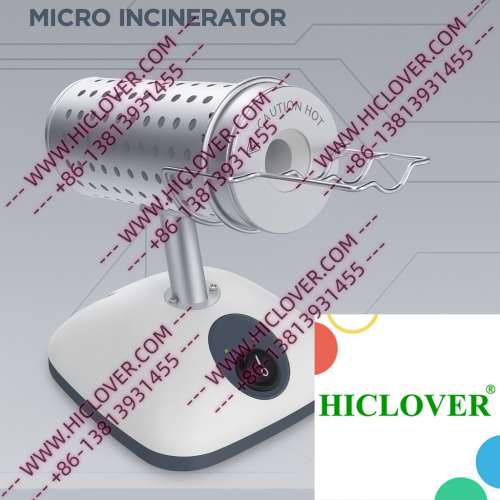
The Micro Incinerator operates on the principles of rapid thermal sterilization, utilizing infrared heat generated within an enclosed ceramic tube. This method enables the targeted and efficient disinfection of inoculating loops, surgical instruments, and other sensitive laboratory tools. Unlike traditional flame sterilizers, which often produce uncontrolled flames and can create aerosols, micro incinerators offer a flame-free, clean-bench-safe alternative that ensures minimal risk of contamination.
The capability of reaching high temperatures quickly allows for a consistent and rapid application of heat, effectively eliminating pathogens and ensuring a sterile environment. This is particularly vital in environments where every second counts, such as in hospital labs or during field testing scenarios.
Applications of Micro Incinerators in Veterinary Labs
1. BSL-2 and BSL-3 Microbiology Labs
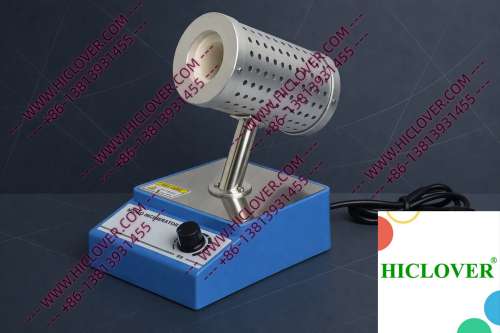
Biosafety Level 2 (BSL-2) and Level 3 (BSL-3) laboratories deal with moderately to highly infectious agents. In these settings, the Micro Incinerator serves as an essential tool for sterilizing inoculating loops immediately before use, significantly reducing the risk of cross-contamination. With its precision and rapid thermal sterilization capability, it allows technicians to maintain stringent biosafety protocols without combustion-related hazards.
2. Teaching Labs in Universities
Educational institutions are increasingly adopting micro incinerators in their teaching labs to equip students with hands-on training in sterile techniques. Students learn to use inoculating loops efficiently without the risks associated with open flames. The infrared sterilizer provides an aerosol-free handling method, promoting a safer learning environment while enabling effective practices that align with professional laboratory standards.
Compliance and Environmental Considerations
As laboratories strive to adhere to the World Health Organization (WHO) biosafety guidelines and local sterilization standards, the choice of sterilization equipment plays a pivotal role. Regulations often recommend no flame in clean rooms to maintain a sterile atmosphere; thus, the Micro Incinerator stands out as a compliant choice.
Utilizing this state-of-the-art technology reduces the environmental impact associated with conventional flame sterilizers, as it avoids the use of alcohol and other flammable materials. Furthermore, it aligns with global sustainability efforts by minimizing waste generated from disposable sterilization materials.
Comparative Advantages Over Traditional Flame Sterilizers
| Feature | Micro Incinerator | Flame Burners |
|---|---|---|
| Safety | Flame-free operation, reducing explosion hazards | Open flames can cause accidental burns or fire hazards |
| Disinfection Efficacy | Instant high temperatures for effective sterilization | Inconsistent heat application |
| Environmental Impact | Aerosol-free operation, less chemical waste | Produces aerosols and fumes |
| Ease of Use | Compact; can be used in various settings | Requires cautious handling and environment monitoring |
Frequently Asked Questions
What is the primary advantage of using a Micro Incinerator in veterinary labs?
The main advantage is the safe, flame-free sterilization process that efficiently eliminates pathogens without producing aerosols, thus enhancing contamination control.
Can Micro Incinerators be used in field settings?
Yes! Micro Incinerators are compact and portable, making them ideal for mobile and field testing labs where quick and effective sterilization is paramount.
How does the Micro Incinerator comply with biosafety standards?
It complies by providing a safe sterilization method that conforms to WHO biosafety guidelines and local laboratory sterilization standards which often mandate no flames in clean environments.
What are the maintenance requirements for these devices?
Generally, Micro Incinerators require minimal maintenance. Regular cleaning of the ceramic tube and checks for electrical components are recommended for optimal performance.
Is training necessary for new users of the Micro Incinerator?
Basic training on its operation and safety protocols is recommended to ensure effective use and to maximize safety standards in the laboratory environment.
Conclusion: Embracing the Future of Laboratory Sterilization
The use of Micro Incinerators in veterinary labs marks a significant advancement in laboratory sterilization practices. With their emphasis on rapid thermal sterilization, compliance with safety regulations, and minimal environmental impact, these devices are essential tools that can improve operational efficiency while ensuring a sterile working environment. Embrace the transformation in waste management today by incorporating Micro Incinerators into your laboratory processes.
For more information or to discuss purchasing options, contact us now and take a step towards revolutionizing your laboratory sterilization methods!
Categories:
Tags: