
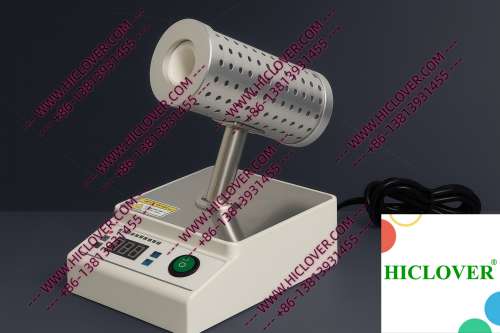
In the fast-paced environment of modern laboratories, effective waste management and sterilization processes are paramount. As laboratories expand their capabilities, they face increasing biosafety challenges and sterilization workflow demands that require innovative solutions. One such solution is the revolutionary Micro Incinerator, also known as the Infrared Inoculating Loop Sterilizer. This device offers a clean and efficient alternative to traditional sterilization methods, addressing the unique needs of various laboratory environments while ensuring adherence to stringent biosafety guidelines.
The Need for Enhanced Laboratory Sterilization Equipment
Laboratories operating under Biosafety Level 2 (BSL-2) and Biosafety Level 3 (BSL-3) conditions often grapple with significant contamination risks. Traditional flame sterilizers such as alcohol lamps or Bunsen burners pose risks not only from open flames but also from the aerosol emissions they can produce. In clean environments, such as clinical diagnostics laboratories, the requirement for aerosol-free handling is non-negotiable. This shifts the demand from conventional equipment toward advanced sterilization technologies that not only meet these biosafety needs but also enhance workflow efficiency.
Technical Principles of the Infrared Inoculating Loop Sterilizer
At the heart of the Micro Incinerator is its advanced infrared heating technology. This device utilizes a high-temperature ceramic heating chamber to deliver rapid thermal sterilization, achieving desired temperatures in mere seconds. The enclosed design ensures that the infrared heat is concentrated on the inoculating loop or tool being sterilized, resulting in effective, high-temperature disinfection without the risks associated with flames.
Moreover, the infrared heater provides precise, consistent, and controllable temperature settings, optimizing the sterilization process while reducing energy consumption. This not only makes the workflow more efficient but also promotes greater safety within the lab, allowing researchers to focus on key tasks rather than on the intricacies of traditional flame sterilization.
Application Scenarios in Real Labs
- Biosafety Cabinets: In BSL-2 laboratory settings, the Micro Incinerator is particularly suited for use within biosafety cabinets. Researchers can easily sterilize inoculating loops without risking contamination in clean areas, all while adhering to strict laboratory operations and maintaining a sterile environment.
- Field Testing Laboratories: The portable nature of the Micro Incinerator makes it an ideal choice for mobile labs operating in field testing environments. The ability to perform efficient sterilization without reliance on gas or flame sources significantly enhances safety and practicality for technicians operating in various conditions.
Compliance with Biosafety Standards
The Micro Incinerator aligns with the World Health Organization (WHO) biosafety regulations and laboratory sterilization standards. For instance, the device eliminates the need for flames in clean rooms, thus minimizing the risk of fire and ensuring compliance with occupational health and safety guidelines. Technologies like this support sterile workflows in clinical diagnostics, teaching labs, and more.
Ensuring that labs comply with these safety standards is a core consideration when selecting sterilization equipment. Adopting a Micro Incinerator not only meets the necessary criteria but also emphasizes an institution’s commitment to safety and quality in laboratory practices.
Advantages Over Traditional Flame Sterilizers
When comparing the Micro Incinerator to traditional flame sterilizers, it’s clear that it presents numerous advantages:
| Features | Micro Incinerator | Flame Sterilizers |
|---|---|---|
| Aerosol Control | Yes | No |
| Energy Efficiency | High | Moderate |
| Speed of Sterilization | Seconds | Minutes |
| Open Flame Risks | No | Yes |
| Temperature Control | Precise | Variable |
FAQs
What is a Micro Incinerator and how does it work?
The Micro Incinerator, or Infrared Inoculating Loop Sterilizer, uses a ceramic heating chamber to quickly and effectively sterilize laboratory tools through rapid thermal sterilization.
Why should I choose an infrared sterilizer over traditional flame sterilizers?
Infrared sterilizers provide aerosol-free handling, improved safety, energy efficiency, and faster sterilization times compared to traditional flame sterilizers.
Can the Micro Incinerator be used in BSL-3 laboratories?
Yes, the Micro Incinerator is compliant with biosafety standards and is suitable for BSL-2 and BSL-3 laboratory settings.
How does it ensure compliance with laboratory safety standards?
By eliminating open flames and reducing contamination risk, the Micro Incinerator aligns with WHO guidelines and laboratory sterilization standards.
Is the Micro Incinerator portable for field testing use?
Yes, its compact design makes it ideal for application in mobile or field testing laboratories where sterilization is critical.
Conclusion
As laboratories seek advanced methods to streamline their sterilization processes and ensure compliance with biosafety standards, the Micro Incinerator emerges as a pivotal tool in modern laboratory operations. Its innovative design, technical efficiency, and safety features make it an essential addition to any laboratory’s sterilization toolkit. For laboratories looking to enhance efficiency while reinforcing their commitment to biosafety, investing in a Micro Incinerator is a step in the right direction. Contact us today to learn more about how you can revolutionize your laboratory’s waste management and sterilization procedures.
Categories:
Tags: