
As laboratories around the globe face increasing demands for biosafety and effective sterilization workflows, traditional sterilization methods such as Bunsen burners and alcohol lamps are becoming insufficient. The push for rapid thermal sterilization has led to the adoption of innovative technologies like Micro Incinerators, particularly Infrared Inoculating Loop Sterilizers, which enhance laboratory efficiency and maintain stringent contamination controls.
Understanding the Technical Principles
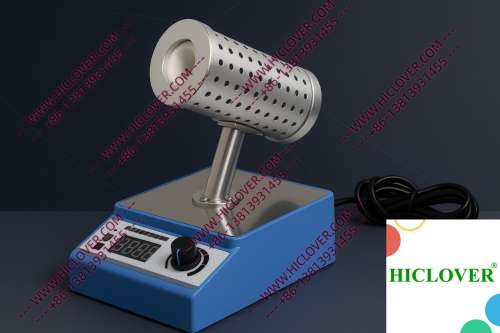
Micro Incinerators utilize infrared heat technology to achieve high-temperature disinfection in a compact design. Unlike traditional open-flame sterilizers, these devices feature an enclosed ceramic heating chamber designed to create a controlled thermal environment. When a sterilizing loop is introduced into this chamber, it is subjected to infrared radiation that rapidly elevates its temperature, providing a sterile surface needed for safe microbial manipulation. This method not only ensures that sterilization is effective but also mitigates the risks associated with aerosol production and fire hazards.
Applications of Micro Incinerators in Real Labs
1. Clinical Diagnostics in BSL-2 Labs
Micro Incinerators are particularly useful in BSL-2 clinical diagnostics labs, where they serve as an efficient means of sterilization for inoculating loops and other tools used in the transfer of biological materials. By incorporating these devices into their workflow, laboratory personnel can ensure rapid sterilization between samples while reducing the risk of contamination. With the ability to quickly sterilize tools, technicians are empowered to focus on the accuracy of results rather than dreading the sterilization process.
2. Teaching Labs and Student Safety
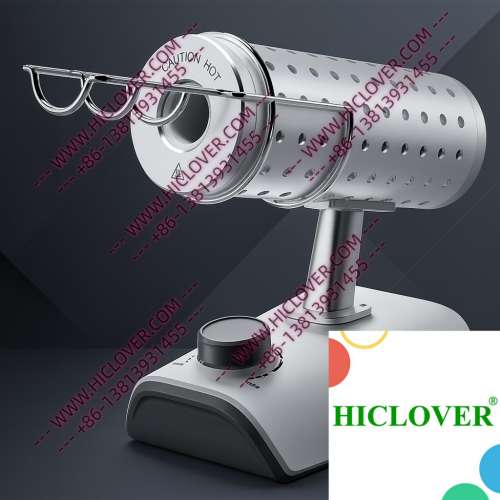
In university teaching labs, the safety of students is paramount. Micro Incinerators offer an excellent solution for teaching sterile techniques without the risks associated with flame-based sterilizers. Educators can utilize these devices in their demonstrations, allowing students to practice inoculation techniques in a safe environment. In contrast to traditional methods, Micro Incinerators prevent the release of aerosols and eliminate the presence of open flames, significantly enhancing safety protocols during laboratory instruction.
Compliance and Environmental Considerations
As research facilities strive to comply with WHO biosafety regulations and lab sterilization standards, the choice of sterilization equipment becomes crucial. Micro Incinerators align with compliance requirements by offering a non-flame solution which is essential in clean room environments. Their design minimizes the risk of chemical contamination and aligns well with the principles of controlled environments, where even minor disruptions can affect ongoing experiments.
Furthermore, using infrared sterilization contributes to a more environmentally friendly laboratory setting. By eliminating the need for flammable liquids and reducing the carbon footprint associated with conventional sterilization practices, these devices are paving the way for sustainable lab solutions. Institutions can lean into greener practices while maintaining high standards of sterilization and safety.
Why Choose Micro Incinerators Over Traditional Flame Sterilizers?
| Features | Micro Incinerator | Traditional Flame Sterilizer |
|---|---|---|
| Safety | No open flames, less risk of fire | Open flame, higher risk of fire |
| Convenience | Portable, lightweight, easy to use | Heavy, requires more setup |
| Sterilization Speed | Instant heat-up and cooling | Longer heat-up time |
| Aerosol Production | Aerosol-free handling | Higher aerosol risk with flame |
| Environment Impact | Greener, reduced emissions | Higher emissions from fuel combustion |
FAQs
- What is a Micro Incinerator? A Micro Incinerator is an infrared inoculating loop sterilizer designed to rapidly sterilize laboratory tools without open flames, enhancing biosafety.
- How does infrared sterilization work? Infrared sterilization utilizes electromagnetic radiation to quickly raise the temperature of the sterilizing loop, ensuring effective disinfection without aerosol production.
- Where can Micro Incinerators be used? They are suited for BSL-2/BSL-3 labs, educational settings, and even field testing scenarios, ensuring reliable sterilization across various environments.
- Are Micro Incinerators more environmentally friendly? Yes, they eliminate the need for combustible materials which contributes to a more sustainable laboratory operation.
- How do I maintain a Micro Incinerator? Regular maintenance involves ensuring the ceramic tube remains clean and free of debris to guarantee optimal sterilization performance.
In conclusion, the advent of Micro Incinerators represents a significant advancement in laboratory sterilization. These devices not only fulfill compliance requirements but also enhance lab efficiency and safety across multiple applications. As the laboratory landscape evolves, investing in high-quality sterilization equipment like the Infrared Inoculating Loop Sterilizer becomes essential. For inquiries or purchases, feel free to reach out, as we would be thrilled to support your laboratory needs with top-tier sterilization solutions.
Categories:
Tags: