
As Rwanda progresses towards becoming a regional leader in healthcare, addressing laboratory biosafety challenges is paramount. The need for efficient and reliable sterilization solutions is critical, particularly in clinical diagnostics, BSL-2 labs, and teaching facilities. One such innovation is the Micro Incinerator / Infrared Inoculating Loop Sterilizer, a device designed to meet the growing demands of laboratory sterilization while enhancing the safety and efficacy of surgical procedures.
Biosafety Challenges in Laboratories
Laboratories face significant biosafety challenges, particularly concerning contamination control and the need for rapid thermal sterilization methods. Traditional sterilization techniques, including alcohol lamps and Bunsen burners, pose risks such as open flames and the potential for aerosolized pathogens. Given the increasing complexity of laboratory workflows and the heightened need for stringent safety measures, adopting a modern sterilization methodology is critical in ensuring reliable and safe laboratory practices.
Understanding the Micro Incinerator / Infrared Inoculating Loop Sterilizer
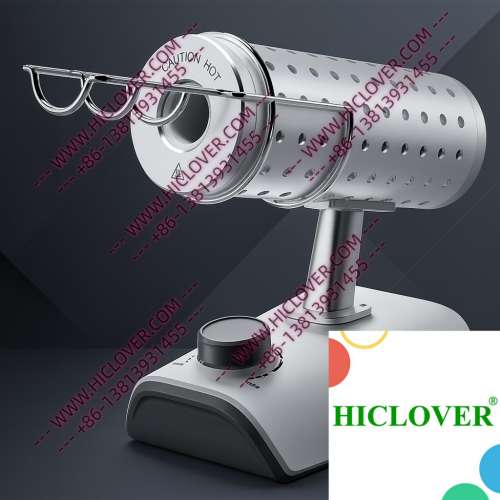
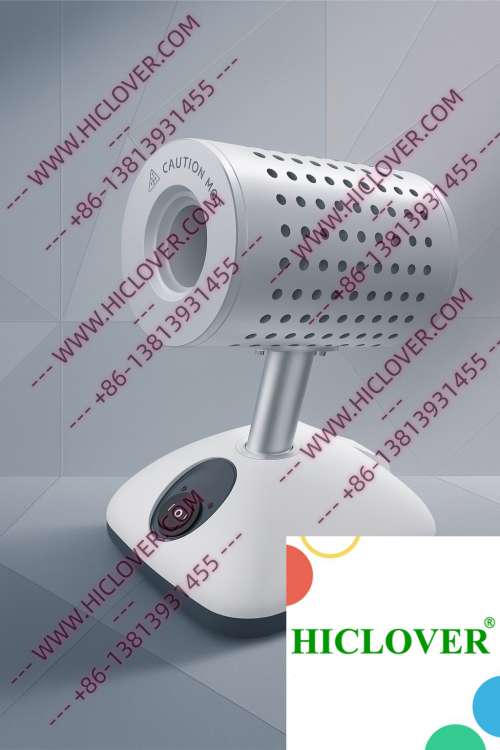
The Micro Incinerator operates on the principle of infrared heat, utilizing a ceramic heating chamber that delivers high-temperature disinfection without the risks associated with flames. This enclosed ceramic tube generates extreme temperatures that efficiently sterilize inoculating loops and other reusable laboratory tools. The design inherently allows for:
- Rapid sterilization: Achieving sterilization in mere seconds.
- Aerosol-free handling: Eliminating the risk of airborne contamination.
- Clean-bench safety: Suitable for clean rooms due to the absence of flames.
Applications in Real Laboratories
The versatility of the Micro Incinerator makes it well-suited for various laboratory environments, from high-security BSL-2/BSL-3 labs to university teaching labs. Here are two application scenarios:
1. BSL-2 Microbiology Labs
In a BSL-2 microbiology laboratory, where working with moderate-risk pathogens is common, the Micro Incinerator serves an essential role in sterilizing inoculating loops between sample transfers. The infrared sterilizer not only minimizes the risk of cross-contamination between samples but also upholds strict safety standards necessary for handling infectious materials.
2. University Teaching Labs
University teaching labs can also benefit significantly from this technology. With multiple students using the sterilizer for inoculating loops during microbiology experiments, the Micro Incinerator provides a safe, efficient, and user-friendly means of achieving proper sterilization. This promotes a hands-on learning environment where students can focus on methodology rather than concerns over flame hazards.
Compliance and Environmental Considerations
Ensuring compliance with WHO biosafety standards is integral to laboratory operations. Traditional flame sterilizers can conflict with evolving lab sterilization standards due to their use of open flames, which pose a risk in clean rooms and other sensitive environments. The Micro Incinerator, on the other hand, adheres to these guidelines by providing a flame-free sterilization solution that mitigates risks associated with ignitable materials and flammable vapors.
Why Choose Micro Incinerator Over Flame Burners?
| Feature | Micro Incinerator | Flame Burners |
|---|---|---|
| Safety | No open flames, aerosol-free | Open flames, risk of burns and fire |
| Efficiency | Rapid thermal sterilization | Longer heating periods |
| Compliance | Meets WHO biosafety standards | May not be suitable for clean rooms |
Frequently Asked Questions
1. What are the main benefits of using a Micro Incinerator in lab settings?
The Micro Incinerator offers rapid sterilization, enhanced safety without open flames, and compliance with laboratory biosafety standards, making it ideal for various laboratory environments.
2. How does the Micro Incinerator differ from traditional flame sterilizers?
The main differences lie in safety features, heat distribution efficiency, and compliance capabilities, as the Micro Incinerator provides a flame-free environment and minimizes aerosol risks, unlike traditional methods.
3. Can the Micro Incinerator be used in teaching laboratories?
Yes, the Micro Incinerator is perfectly suited for use in university teaching laboratories, offering a safe and efficient means of sterilizing tools during student experiments.
4. Is the Micro Incinerator portable for field testing?
Yes, its compact design allows easy transportation to field testing sites, ensuring effective sterilization in various environments.
5. What standards does the Micro Incinerator comply with?
The Micro Incinerator adheres to WHO biosafety standards, making it suitable for laboratories needing high compliance levels.
Conclusion
Rwanda’s investment in advanced loop sterilization technologies, such as the Micro Incinerator / Infrared Inoculating Loop Sterilizer, reflects a commitment to enhancing surgical safety and laboratory efficacy. Transitioning from traditional flame sterilizers not only improves laboratory workflows but significantly contributes to better public health outcomes. For those seeking reliable and compliant sterilization solutions, now is the time to consider integrating the Micro Incinerator into your laboratory operations. Reach out to learn more about our products or to make a purchase.
Categories:
Tags: