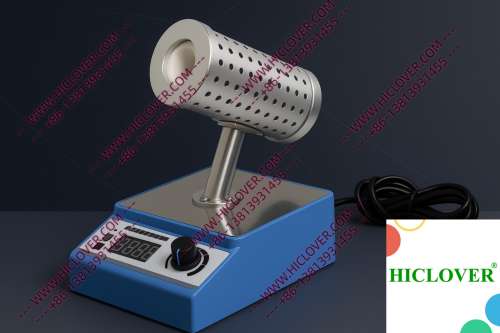
In modern laboratory environments, the need for effective contamination control and sterilization techniques is paramount. With increasing biosafety challenges arising in laboratory settings, especially in BSL-2 and BSL-3 microbiology labs, traditional flame sterilizers—like alcohol lamps and Bunsen burners—are often found lacking. They not only pose safety risks due to open flames but also contribute to an unhealthy workspace with hazardous emissions. This is where Micro Incinerators, specifically the Infrared Inoculating Loop Sterilizer, step in as a groundbreaking solution.
Understanding Micro Incinerators: Principles and Design
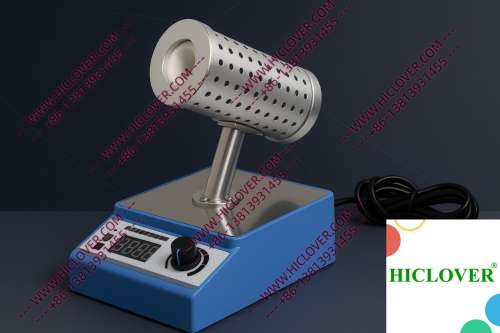
The Micro Incinerator operates on a fundamental principle of rapid thermal sterilization through infrared heat. The device features an enclosed ceramic heating chamber that ensures high-temperature disinfection while maintaining safe operation—ideal for clean bench environments. Unlike traditional flame-based methods, Micro Incinerators provide precise temperature control, eliminating the risk of aerosols and open flames contaminating the workspace.
This advanced sterilization technology is designed for various laboratory applications, making it suitable for teaching labs, clinical diagnostics, and even mobile field testing environments. The compact and portable design of these units allows them to be easily integrated into existing lab spaces or carried into the field for testing, further enhancing their applicability in diverse settings.
Applications in Real Laboratories
1. Biosafety Cabinets
In BSL-2 and BSL-3 facilities, maintaining sterility is crucial. Micro Incinerators provide an aerosol-free handling method, making them a favorite choice for use within biosafety cabinets. Users can rapidly sterilize inoculating loops or other tools without risking exposure to harmful pathogens, creating a safe environment for microbiological work. This rapid turnaround of sterilization eliminates delays, boosting productivity while adhering to strict biosafety protocols.
2. Teaching Labs
In university teaching labs, students are often taught the protocols needed for handling pathogens and biohazardous materials. Using Infrared Inoculating Loop Sterilizers not only helps to demonstrate the principles of sterile technique effectively but does so in a manner that prioritizes safety. With no open flames, instructors can focus on teaching without the added worry of accidents, promoting a safer learning experience for future scientists.
Compliance with Biosafety Standards
Adhering to biosafety protocols is vital for any laboratory setting, and compliance with standards set forth by organizations such as the World Health Organization (WHO) and the Centers for Disease Control and Prevention (CDC) is non-negotiable. These standards emphasize the need for sterile conditions and contamination control to prevent any health hazards.
- Cleanroom Compatibility: Micro Incinerators are flame-free, making them ideal for use in cleanrooms where contamination must be minimized.
- Rapid Thermal Sterilization: Meeting the stringent requirements of lab sterilization standards while eliminating the risks posed by traditional flame sterilizers.
- Environmental Considerations: With their reduced carbon footprint and elimination of hazardous emissions, these devices align perfectly with modern sustainable practices.
| Feature | Micro Incinerator | Flame Sterilizers |
|---|---|---|
| Safety | No open flame, aerosol-free | Open flame, fire risk |
| Efficiency | Rapid sterilization (<10 seconds) | Longer sterilization time |
| Environmental Impact | Green technology | Emissions from combustion |
| Temperature Control | Precise infrared control | Less consistent |
| Mobility | Compact, portable | Generally bulky |
Frequently Asked Questions
What is a Micro Incinerator, and how does it work?
A Micro Incinerator is a modern sterilization tool that uses infrared heat within an enclosed ceramic chamber to rapidly sterilize laboratory tools like inoculating loops without open flames. This technology ensures high-temperature disinfection and greater safety.
Why should I choose Micro Incinerators over traditional flame sterilizers?
Micro Incinerators offer enhanced safety features, such as reduced fire risks and aerosol-free handling. Additionally, they provide faster sterilization times and are more environmentally friendly, making them ideal for today’s laboratory standards.
In what settings can Micro Incinerators be used?
Micro Incinerators can be utilized in a variety of laboratory environments, including BSL-2 and BSL-3 laboratories, university teaching labs, and mobile or field testing labs.
Are Micro Incinerators compliant with biosafety standards?
Yes! Micro Incinerators meet stringent biosafety standards set forth by organizations like WHO and the CDC, ensuring safety and compliance in laboratory operations.
What are the maintenance requirements for Micro Incinerators?
Micro Incinerators require minimal maintenance. Regular cleaning of the ceramic heating chamber and ensuring the device remains dust-free will ensure optimal performance and longevity.
Conclusion
As the demands for effective sterilization in laboratory settings continue to rise, the case for adopting Micro Incinerators, particularly Infrared Inoculating Loop Sterilizers, becomes more compelling. With their advanced technology, safety features, and environmental benefits, these devices exemplify the future of laboratory sterilization. For laboratories aiming to enhance their sterilization protocols while ensuring compliance with biosafety regulations, the Micro Incinerator represents a pivotal investment.
Reach out today to explore how Micro Incinerators can transform your laboratory practices. Our team is ready to assist you in making an informed decision for a safer and more efficient laboratory environment!
Categories:
Tags: