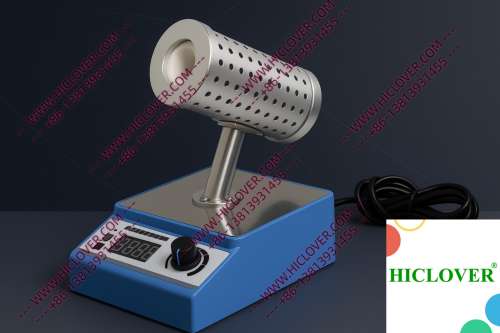
In today’s rigorous laboratory settings, maintaining sterile environments is paramount for the success of scientific research, clinical diagnostics, and teaching. As microbiology labs, hospitals, and educational institutions face increasing challenges related to biosafety, the demand for efficient sterilization equipment has never been higher. Among these essential tools, the Micro Incinerator / Infrared Inoculating Loop Sterilizer stands out for its rapid thermal sterilization capabilities and innovative design, making it a preferred choice against traditional flame sterilizers like alcohol lamps and Bunsen burners.
Understanding the Technology: How Micro Incinerators Work
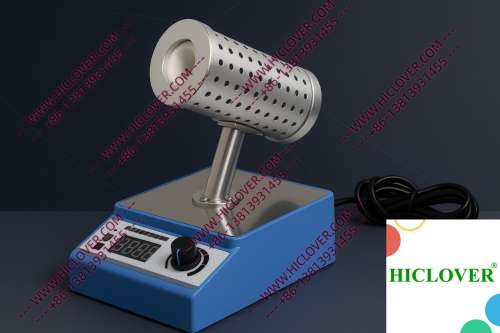
The Micro Incinerator offers a unique configuration that ensures effective sterilization through infrared heat. Utilizing an enclosed ceramic heating chamber, this device provides high-temperature disinfection, achieving temperatures of up to 800°C. The infrared technology heats the inoculating loops or tools placed within the chamber to sterilization temperature in a matter of seconds, effectively eliminating unwanted microorganisms and ensuring contamination control.
The design prioritizes safety and efficiency; with no open flames, it reduces the risk of fire hazards prevalent with traditional sterilization methods. Additionally, the aerosol-free handling eliminates the risk of airborne pathogens during the sterilization process, making it particularly suitable for sensitive environments such as biosafety cabinets.
Applications of Micro Incinerators in Various Lab Settings
1. Biosafety Cabinets
Biosafety cabinets (BSCs) are critical in laboratory environments, especially those classified at BSL-2 or BSL-3 levels, where the potential for exposure to hazardous microbes is high. The use of a Micro Incinerator within these cabinets enhances the safety protocols by ensuring that any inoculating loops or tools used within are rapidly sterilized before and after use. This practice minimizes the risk of cross-contamination and maintains the integrity of experimental results.
2. Teaching Labs
In educational settings, particularly higher institutions focused on microbiology and biotechnology, the incorporation of Micro Incinerators is instrumental in teaching safe lab practices. Students benefit from firsthand experience with equipment that emphasizes safety. As they practice manipulating inoculating loops or micropipettes under sterile conditions, they learn the importance of maintaining sterile techniques that are critical in scientific research.
Compliance and Environmental Considerations
International organizations such as the World Health Organization (WHO) set stringent guidelines for laboratory safety and sterilization procedures. Compliance with these standards is essential not only for regulatory reasons but also for ensuring worker safety and environmental responsibility.
Micro Incinerators align with WHO biosafety standards, particularly in clean room operations where flame-based sterilizers pose significant risks. In addition, the use of infrared inoculating loop sterilizers facilitates adherence to various laboratory sterilization standards, enhancing operational efficacy and compliance with stringent safety requirements.
Advantages of Micro Incinerators Over Traditional Flame Sterilizers
- Rapid sterilization: Micro Incinerators achieve sterilization faster than flame methods, enhancing workflow efficiency.
- Safety: Eliminates open flames, reducing fire risks associated with alcohol lamps and Bunsen burners.
- Contamination control: Aerosol-free handling minimizes the risk of airborne pathogens.
- Consistency: Provides uniform and reproducible heating, ensuring effective disinfection every time.
Comparison Table: Micro Incinerator vs. Traditional Flame Burners
| Feature | Micro Incinerator | Flame Sterilizer |
|---|---|---|
| Heating method | Infrared | Open flame |
| Fuel source | Electricity | Alcohol/Gas |
| Sterilization time | Seconds | Varies |
| Fire risk | No | Yes |
| Best usage environment | Biosafety cabinets, clean rooms | General lab settings |
Frequently Asked Questions (FAQs)
What is a Micro Incinerator used for?
A Micro Incinerator is primarily used for rapid sterilization of inoculating loops and small laboratory tools, ensuring they are free from contaminants before use in cultures or experiments.
How does a Micro Incinerator improve lab safety?
By utilizing infrared technology, the Micro Incinerator eliminates the hazards associated with open flames, significantly reducing fire risks and promoting a safer work environment.
Can Micro Incinerators be used in field testing labs?
Yes, their portable nature and efficiency make Micro Incinerators suitable for use in mobile or field testing laboratories, where maintaining sterile conditions is critical.
Are Micro Incinerators compliant with WHO biosafety regulations?
Yes, Micro Incinerators comply with WHO biosafety guidelines and other international laboratory safety standards, making them an excellent choice for research and clinical environments.
What advantages do they have over traditional sterilization methods?
Micro Incinerators offer rapid sterilization, reduced risk of contamination, enhanced safety, and consistent performance, making them superior to traditional flame sterilizers.
Conclusion
In summary, the Micro Incinerator / Infrared Inoculating Loop Sterilizer is an invaluable asset in maintaining sterile environments across diverse laboratory settings. Its advanced technology enhances laboratory safety, boosts operational efficiencies, and ensures adherence to compliance standards. For laboratory supply distributors, hospitals, universities, and research centers, investing in high-quality sterilization equipment like the Micro Incinerator is crucial for fostering safe research environments. Contact us today to learn more about integrating this vital tool into your laboratory!
Categories:
Tags: