
In the pursuit of safe and efficient laboratory operations, researchers are increasingly challenged by the necessity of maintaining strict biosafety standards while optimizing sterilization workflows. Traditional methods, especially flame-based sterilizers like Bunsen burners and alcohol lamps, can introduce risks due to open flames, aerosols, and uneven heating. This has led to a growing interest in advanced alternatives such as the Micro Incinerator or Infrared Inoculating Loop Sterilizer, which provide a more effective and safe means of sterilization in various laboratory settings.
Transitioning to Micro Incinerators: Addressing Biosafety Challenges
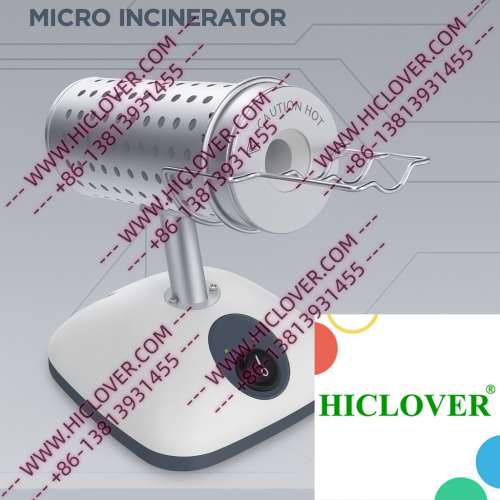
As laboratories continue to aim for zero contamination, especially in high-stakes environments like BSL-2 and BSL-3 labs, the limitations of flame sterilizers have become clearer. Traditional flame methods can produce aerosols, introduce contaminants, and often require a significant amount of time for heating and cooling. In contrast, infrared sterilizers offer rapid thermal sterilization within a contained, enclosed ceramic heating chamber that ensures precision and control.
Technical Principles of Infrared Sterilization
The Micro Incinerator utilizes advanced infrared heat technology to achieve high-temperature disinfection efficiently. Instead of an open flame, which can be hazardous in laboratory environments, this method employs an enclosed ceramic tube that produces focused infrared radiation, rapidly achieving the necessary temperatures (typically between 800°C to 1000°C). This not only ensures effective sterilization of inoculating loops and other lab instruments but also aligns with contamination control standards critical in modern laboratories.
Applications of Micro Incinerators in Laboratory Settings
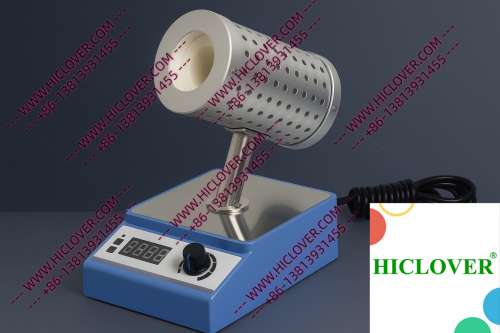
The versatility of Micro Incinerators makes them suitable for a variety of applications:
- Biosafety Cabinets: They operate seamlessly within biosafety cabinets, providing aerosol-free handling of inoculating loops while maintaining a sterile environment crucial for sensitive microbiological work.
- Field Testing: In mobile or field testing labs, these sterilizers are invaluable for rapid sterilization needs, allowing researchers to perform experiments in varied locations without traditional lab setups.
- University Teaching Labs: Educators in microbiology and clinical diagnostics benefit from the safety and efficiency of infrared sterilizers, allowing students hands-on experience without the risks of flame-based methods.
Compliance and Environmental Considerations
Adhering to regulatory biosafety guidelines such as those set by the World Health Organization (WHO) and relevant laboratory sterilization standards is essential for research facilities. Traditional flame sterilization methods are often prohibited in clean rooms and controlled environments due to their inherent risks and the potential for contamination. In contrast, using Micro Incinerators aligns perfectly with these compliance mandates while supporting environmentally friendly practices, including reduced emissions and lowered risk of accidents in the lab.
Biosafety Compliance Reference
Micro Incinerators are particularly recognized for their compliance with WHO biosafety standards, ensuring laboratories maintain the highest levels of safety and contamination control. They create an environment safe from aerosols, making them ideal in university and BSL-2/BLS-3 microbiology labs.
Comparison of Micro Incinerators and Traditional Flame Sterilizers
| Feature | Micro Incinerator | Flame Sterilizer |
|---|---|---|
| Safety | Enclosed, no open flame | Open flame, risk of fire |
| Aerosol Production | None | High risk |
| Heating Time | Rapid thermal sterilization | Variable, slower to cool |
| Usability | Compatible with clean benches | Limited in cleanrooms |
| Energy Efficiency | Higher efficiency | Less efficient |
FAQs about Micro Incinerators
What is the maximum temperature a Micro Incinerator can reach?
The Micro Incinerator can reach temperatures between 800°C to 1000°C, which is sufficient for effective sterilization.
Are Micro Incinerators safe to use in a biosafety cabinet?
Yes, they are designed to be used safely in biosafety cabinets, providing a contamination-free environment.
How quickly can I sterilize inoculating loops using a Micro Incinerator?
Typically, it takes just a few seconds to achieve sterilization, making it much faster than traditional flame methods.
What are the maintenance requirements for a Micro Incinerator?
Maintenance is minimal but includes periodic inspections of the ceramic tube for wear and ensuring optimal performance of the heating element.
Can a Micro Incinerator be used in field research?
Yes, due to its compact design and efficiency, it is ideal for use in field research settings where traditional methods might be cumbersome.
Conclusion
The shift from traditional flame sterilizers to Micro Incinerators represents a significant advancement in laboratory sterilization technology. By offering enhanced safety, compliance with biosafety standards, and improved workflow efficiencies, they are quickly becoming the preferred choice for laboratories worldwide. If you are looking to elevate your lab’s sterilization process, consider integrating Micro Incinerators into your setup. Contact us today for expert guidance and procurement solutions tailored to your lab’s needs!
Categories:
Tags: