
In today’s advanced laboratory settings, ensuring a sterile environment is crucial for preventing contamination and protecting personnel. Traditional methods of sterilization, such as alcohol lamps or Bunsen burners, present safety challenges like open flames, aerosols, and temperature inconsistencies. This is where innovative solutions like the Micro Incinerator or Infrared Inoculating Loop Sterilizer step in, offering flame-free alternatives that significantly reduce risks while ensuring efficient sterilization workflows.
Understanding the Micro Incinerator
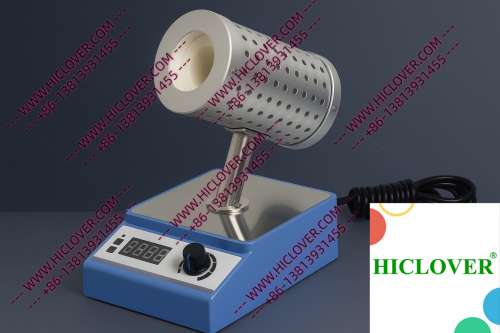
The Micro Incinerator employs advanced infrared heating technology to deliver rapid thermal sterilization. Inside this device, a compact ceramic heating chamber creates a consistent high-temperature environment, effectively killing bacteria and microbial contaminants without the hazards associated with flames. The enclosed design not only minimizes the risk of burns but also ensures that aerosol generation is kept at bay, making it ideal for sensitive lab environments.
Advantages of Flame-Free Sterilization
- Enhanced Safety: Eliminates the risk of fire hazards associated with open flames.
- Efficiency: Rapid sterilization with immediate cooling times for quick turnaround.
- Clean Environment: No fumes or aerosols, perfect for cleanrooms and BSL-2 / BSL-3 laboratories.
- Cost-Effective: Reduced costs related to laboratory air filtration and fire safety measures.
Applications in Laboratory Settings
Micro Incinerators are versatile tools that enhance sterilization processes in various laboratory settings. Here are two practical use cases:
1. University Teaching Labs
In university teaching labs, where students practice aseptic techniques, the Micro Incinerator serves as a reliable sterilization tool. When students are conducting microbial experiments, the instant availability of a sterilizer minimizes downtime. Unlike traditional flame sterilizers, which require setup and adjustment, the infrared sterilizer can be quickly activated, ensuring students can focus on their learning objectives while maintaining safety protocols.
2. Field Testing Laboratories
Field testing labs, especially those involved in environmental sampling, require portable and effective sterilization tools. The compact design of the Micro Incinerator allows rapid sterilization of inoculating loops on-site, minimizing contamination risks during sample collection. The device’s battery-operated version ensures sterilization can occur away from traditional lab setups, providing unparalleled flexibility and reliability in field conditions.
Compliance and Environmental Considerations
Laboratory safety standards such as those set by the World Health Organization (WHO) and national biosafety regulations increasingly emphasize the importance of non-flame sterilization methods. Open flames are prohibited in clean rooms where combustible materials or air-sensitive substances are present. By adopting flame-free devices like the Micro Incinerator, labs align with these compliance standards while promoting a safer working environment that mitigates contamination risks.
Moreover, many laboratories are looking to enhance their workflows while minimizing their environmental impact. Switching to infrared sterilizers reduces reliance on alcohol and other flammable sterilization agents, contributing to a safer, cleaner atmosphere in both clinical diagnostics and research settings.
Comparison of Sterilization Methods
| Feature | Micro Incinerator | Flame Burners |
|---|---|---|
| Heat Source | Infrared technology | Open flame |
| Risk of Contamination | Low (aerosol-free) | High (aerosols generated) |
| Safety | Maximized (no fire hazards) | Risky (fire incidents can occur) |
| Usage Flexibility | Portable options available | Limited mobility |
Frequently Asked Questions
What is a Micro Incinerator?
A Micro Incinerator is a flame-free sterilization device that utilizes infrared heating technology to provide rapid thermal sterilization, ideal for laboratory use without the risks associated with traditional flame methods.
How does the Infrared Inoculating Loop Sterilizer work?
This device employs an enclosed ceramic heating chamber that generates high temperatures, effectively sterilizing inoculating loops and reducing contamination risk during experiments.
Why is flame-free sterilization important in laboratory environments?
Flame-free sterilization is critical to minimize fire hazards, reduce the generation of aerosols, and meet strict biosafety standards in clean environments.
Can the Micro Incinerator be used in field testing labs?
Yes, the Micro Incinerator’s portable design makes it suitable for field testing laboratories, providing reliable sterilization in remote locations.
Is the Micro Incinerator compliant with WHO standards?
Yes, the Micro Incinerator aligns with WHO biosafety guidelines, making it a safe choice for sterilization processes in various laboratory settings.
Conclusion
In the quest for maintaining optimal safety in laboratory environments, adopting a Micro Incinerator or Infrared Inoculating Loop Sterilizer presents a compelling choice. This flame-free sterilization technology not only improves workflow efficiency but also prioritizes the safety and health of laboratory personnel and environments. Explore the benefits of transitioning to flame-free sterilizers today and contact us for further information or to place an order!
Categories:
Tags: