
In the realm of laboratory safety and infection control, the challenges faced by professionals in Germany cannot be understated. Laboratories across the country are under constant pressure to meet stringent biosafety standards while efficiently managing workflows. The need for rapid sterilization, especially in environments that deal with pathogenic microbes, is paramount. This is where modern sterilization equipment, like the Micro Incinerator / Infrared Inoculating Loop Sterilizer, plays a crucial role in enhancing biosafety and operational efficiency.
The Technical Principle of Loop Sterilization
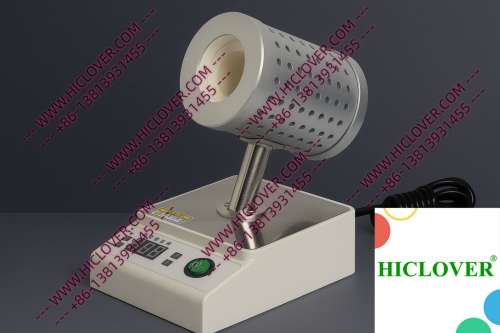
The Micro Incinerator operates on the principle of rapid thermal sterilization, employing infrared heat to provide an unyielding method of contamination control. This cutting-edge device utilizes a closed ceramic heating chamber, where a high-temperature disinfection process occurs without the need for traditional flames. By generating temperatures that exceed the requirements for sterilization, this equipment eliminates microbes effectively while ensuring a clean environment in laboratory settings.
Applications of the Infrared Inoculating Loop Sterilizer
In the ever-evolving landscape of laboratory practices, the Micro Incinerator finds multiple applications across different settings:
- Biosafety Cabinets: In BSL-2 and BSL-3 microbiology labs, the sterilizer provides a flame-free solution that is crucial in maintaining a sterile atmosphere within biosafety cabinets. The risk of flames introducing contaminants is completely removed, while still ensuring that the inoculation loops are sterilized between uses.
- Field Testing: In mobile or field testing labs, where traditional sterilization methods are impractical, the portability and efficiency of the Micro Incinerator offer an invaluable asset. From environmental sampling to biological assays, the compact design allows for effective sterilization even in remote locations.
- University Teaching Labs: Academic institutions benefit from utilizing this device in teaching labs, as it introduces students to modern sterilization techniques. The Micro Incinerator teaches best practices in sterile techniques without the dangers associated with traditional alcohol lamps or Bunsen burners.
Compliance and Environmental Considerations
The integration of the Micro Incinerator into laboratory protocols aligns with not only local regulations but also international biosafety standards, such as those set forth by the World Health Organization (WHO). The guidelines emphasize the importance of sterilization in avoiding microbiological contamination, particularly in clinical diagnostics and research settings.
Additionally, employing devices that do not utilize open flames is particularly crucial in clean rooms and other sensitive environments, where airborne contaminants can jeopardize ongoing experiments. The Micro Incinerator meets these standards by offering an aerosol-free handling experience, ultimately leading to greater compliance with biosafety standards in Germany’s medical facilities.
Comparison of Sterilization Methods
| Feature | Micro Incinerator | Flame Burners (Alcohol Lamp/Bunsen Burner) |
|---|---|---|
| Heat Source | Infrared Heating | Open Flame |
| Contamination Risk | Minimal | High |
| Temperature Control | Precise Thermal Control | Variable |
| Safety | Flame-free Operation | Flammable Materials Hazard |
| Portability | Compact Design | Bulky with Gas Supply |
Frequently Asked Questions
What is the primary advantage of using a Micro Incinerator over traditional flame burners?
The Micro Incinerator offers a safer, flame-free sterilization option that minimizes the risk of contamination and ensures precise thermal control for effective sterilization in sensitive environments.
Can the Micro Incinerator be used in field-testing laboratories?
Yes, its compact and portable design makes it an excellent choice for mobile labs and field applications, allowing for efficient sterilization away from conventional lab settings.
What safety standards does the Micro Incinerator comply with?
The device adheres to WHO biosafety guidelines and other applicable laboratory sterilization standards, ensuring compliance in various laboratory settings.
Is the Micro Incinerator suitable for teaching labs in universities?
Absolutely. It is an ideal tool for educational settings, introducing students to modern sterilization technology while promoting safe laboratory practices.
How does the Micro Incinerator minimize aerosol generation?
By utilizing a closed heating chamber and infrared technology, the Micro Incinerator eliminates the risks associated with flames, thus significantly reducing aerosol generation during sterilization procedures.
Conclusion
As medical and research facilities in Germany seek to enhance their biosafety practices, the Micro Incinerator / Infrared Inoculating Loop Sterilizer stands out as an essential tool for effective laboratory sterilization. Its innovative design combines rapid thermal sterilization with safety, compliance, and efficiency, making it a vital addition to modern laboratory workflows.
For facilities aiming to elevate their infection control measures, the Micro Incinerator is an investment worth considering. Contact us today to learn more about how we can help equip your laboratory for success.
Categories:
Tags: