
In today’s fast-paced biomedical research and clinical diagnostics environments, ensuring effective sterilization of tools and equipment is non-negotiable. Laboratories face significant biosafety challenges, particularly in eliminating microbial contamination without jeopardizing safety protocols. This urgency highlights the necessity of high-temperature loop sterilization solutions, particularly the Micro Incinerator or Infrared Inoculating Loop Sterilizer. These devices not only streamline sterilization workflows but also enhance laboratory safety and compliance.
Understanding the Micro Incinerator
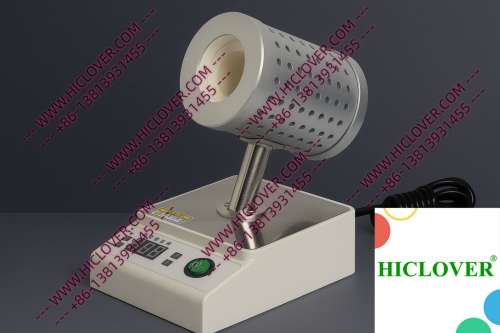
The Micro Incinerator stands apart from traditional sterilization methods such as alcohol lamps or Bunsen burners. Unlike flame-based tools, which can pose risks of open flames and require additional handling precautions, the Micro Incinerator employs rapid thermal sterilization through infrared heat technology. This mechanism involves an enclosed ceramic tube that generates high temperatures, effectively killing microbial life within seconds and ensuring thorough sterilization without the combustion byproducts associated with flames.
Applications in Real Laboratories
Laboratories today face diverse situations requiring reliable sterilization methods. Here are two notable application scenarios where the Micro Incinerator excels:
1. Biosafety Cabinets
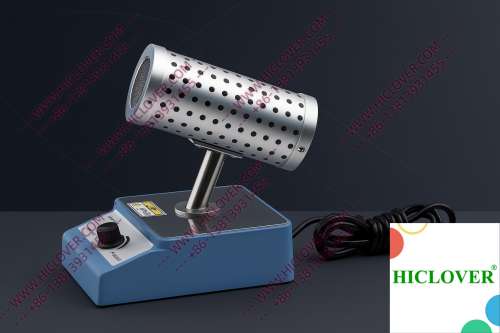
In BSL-2 and BSL-3 microbiology laboratories, biosafety cabinets play a crucial role in preventing the spread of pathogens. Using the Micro Incinerator within these controlled environments guarantees aerosol-free handling, as it quickly sterilizes inoculating loops without producing harmful smoke or particulates. The sterile loops can then be employed for safe specimen transfer, enhancing both the workflow and safety protocols within the cabinet.
2. Field Testing Labs
Mobile or field testing laboratories require equipment that is not only effective but also portable and easy to use. The Micro Incinerator addresses this need through its compact design and fast-acting sterilization process. Field technicians can sterilize equipment on-site, mitigating the risk of cross-contamination during real-time testing while upholding stringent biosafety compliance, even in remote locations.
Compliance and Environmental Considerations
Adhering to international safety standards is paramount in laboratory environments. The World Health Organization (WHO) and various laboratory sterilization standards emphasize the significance of efficient sterilization methods. The Micro Incinerator meets these standards, ensuring that laboratories can operate without the flames typically associated with traditional sterilizers. This flame-free design is particularly advantageous in clean rooms and environments sensitive to combustion byproducts.
- WHO biosafety protocols
- Environmental air quality control
- Compliance with laboratory sterilization standards
- Elimination of flame hazards in clean areas
Moreover, using the Micro Incinerator contributes to improved overall laboratory safety, minimizing risks associated with open flames. It facilitates adherence to BSL-2 and BSL-3 laboratory requirements for handling hazardous pathogens, thereby helping institutions fulfill their regulatory obligations.
Advantages Over Traditional Flame Sterilizers
| Feature | Micro Incinerator | Flame Burners |
|---|---|---|
| Heat Source | Infrared heat, enclosed | Open flame |
| Safety | Flame-free, minimal aerosol | Risk of ignition and contaminants |
| Portability | Compact and easy to handle | Less portable, cumbersome |
| Efficiency | Rapid sterilization | Slow heat-up time |
Frequently Asked Questions
- What is the primary difference between a Micro Incinerator and a Bunsen burner?
The Micro Incinerator uses infrared heat for rapid sterilization, which eliminates the risks associated with open flames found in Bunsen burners. - Can the Micro Incinerator be used in a clean room environment?
Yes, its flame-free design makes it ideal for use in clean rooms where contamination control is critical. - How quickly does the Micro Incinerator sterilize tools?
The Micro Incinerator can achieve effective sterilization in seconds, significantly faster than traditional flame methods. - Is the Micro Incinerator safe for field testing?
Absolutely! Its compact design and efficient sterilization process make it an excellent choice for mobile lab applications. - What types of loops can the Micro Incinerator sterilize?
The Micro Incinerator is capable of sterilizing inoculating loops of various sizes commonly used in microbiological labs.
Conclusion
In the constantly evolving landscape of biomedical research and diagnostics, prioritizing safety and efficacy during sterilization processes is more critical than ever. Investing in the Micro Incinerator / Infrared Inoculating Loop Sterilizer not only aligns with compliance requirements but also enhances operational workflows significantly. For laboratory supply distributors, hospitals, and universities looking to elevate their sterilization capabilities, the Micro Incinerator represents an essential component for modern laboratory needs. Contact us today to learn more about incorporating this state-of-the-art sterilization solution into your practices!
Categories:
Tags: