
In any university laboratory, the focus on biosafety is paramount. Laboratories routinely face challenges related to contamination control and the sterilization of microbiological tools. With the evolving landscape of microbial research, the demand for reliable sterilization equipment has never been more critical. In this context, the Micro Incinerator, or Infrared Inoculating Loop Sterilizer, emerges as an essential instrument for ensuring safe and efficient sterilization workflows.
Understanding the Technology: How Does an Infrared Loop Sterilizer Work?
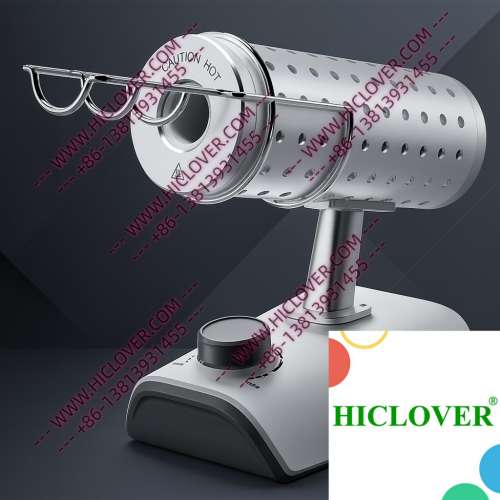
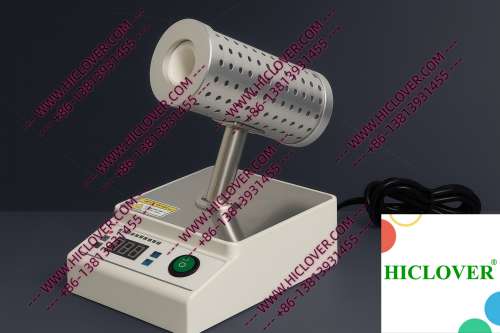
The Micro Incinerator operates on the principle of rapid thermal sterilization using infrared heat. This technology allows for the efficient, enclosed, and high-temperature disinfection of inoculating loops and other small tools without the use of an open flame. The device features a ceramic heating chamber that reaches sterilization temperatures in seconds, allowing users to swiftly eliminate microbial contaminants.
- Enclosed Ceramic Tube: Prevents risk of fire hazards and allows for clean-bench-safe operation.
- Infrared Heating: Directly targets the loop for quick sterilization, enhancing workflow speed and efficiency.
- Aerosol-Free Handling: Minimizes the creation of aerosols, promoting a safer work environment.
Applications in Real Labs
University laboratories across different disciplines can significantly benefit from the use of the Micro Incinerator. Here are two distinct application scenarios:
Biosafety Cabinets in Microbiology Labs
In BSL-2 and BSL-3 laboratories, where pathogens require stringent biosafety protocols, the Micro Incinerator stands out. Equipped with a biosafety cabinet, researchers can safely sterilize their loops without exposing themselves to airborne contaminants. The device’s rapid heating and efficient sterilization support the rigorous demands of microbiological research while maintaining the highest safety standards.
Teaching Labs for Educational Excellence
University teaching labs focus on educating the next generation of scientists. Utilizing the Micro Incinerator not only provides students with hands-on experience in employing cutting-edge sterilization methods but also promotes a culture of safety. Students can utilize the device without the risks associated with traditional flame sterilizers, leading to improved learning outcomes and reduced safety concerns.
Compliance with Laboratory Standards: Ensuring Safety and Efficacy
Compliance with established biosafety standards is crucial for university laboratories. The World Health Organization (WHO) issues guidance on biosafety practices, which directly influence sterilization protocols. The Micro Incinerator aligns with these standards by providing a non-flame sterilization solution that facilitates clean environments. This alignment is particularly important for laboratories where cleanroom conditions must be maintained—traditional flame sterilizers like alcohol lamps or Bunsen burners are incompatible with these settings.
Biosafety Compliance Reference Table
| Method | Compliance | Ideal for |
|---|---|---|
| Micro Incinerator | Meets WHO biosafety standards | BSL-2 / BSL-3 labs, Clean rooms |
| Flame Sterilizers | Not suitable for cleanroom environments | General labs |
Why Choose a Micro Incinerator over Traditional Solutions?
The advantages of using a Micro Incinerator far outweigh those of traditional flame sterilizers. Compared to alcohol lamps and Bunsen burners, the Infrared Inoculating Loop Sterilizer provides:
- Enhanced Safety: Eliminating open flames reduces fire hazards.
- Faster Workflows: Rapid thermal sterilization provides immediate readiness for subsequent sterilization tasks.
- Environmental Compliance: Safe to use in cleanroom applications, avoiding risks associated with aerolized flames.
Frequently Asked Questions (FAQs)
1. How long does it take to sterilize instruments using a Micro Incinerator?
The Micro Incinerator typically achieves sterilization within just a few seconds, making it highly efficient for laboratory use.
2. Is the Micro Incinerator safe to use in cleanrooms?
Yes, its enclosed design and lack of open flames make it entirely suitable for cleanroom environments.
3. Can the Micro Incinerator be used for field testing applications?
Absolutely. Its portability makes it ideal for mobile and field labs, where quick and effective sterilization is essential.
4. What types of laboratories benefit from using a Micro Incinerator?
Microbiology labs, clinical diagnostics, university teaching labs, and field research labs can all benefit significantly.
5. How does the Micro Incinerator compare to traditional sterilization methods?
Compared to traditional methods, the Micro Incinerator offers superior safety, rapid sterilization times, and compliance with modern lab sterilization standards.
Conclusion: Invest in Safety and Efficiency
For university laboratories where safety and efficiency are non-negotiable, the Micro Incinerator or Infrared Inoculating Loop Sterilizer is an investment that pays dividends. By reducing contamination risks and complying with essential biosafety standards, it enhances both research outcomes and safety protocols. We encourage laboratory supply distributors, universities, and research centers to consider this vital equipment for their sterilization needs. Contact us today for more information on how to integrate the Micro Incinerator into your sterilization workflow.
Categories:
Tags: