
In today’s laboratories, the demand for effective sterilization methods has never been greater. With rising biosafety challenges and a focus on robust sterilization workflows, laboratories across the globe are re-evaluating their sterilization equipment. Traditional flame sterilizers, such as alcohol lamps and Bunsen burners, present several risks, leading to an increasing preference for safer alternatives like the Micro Incinerator or Infrared Inoculating Loop Sterilizer.
Challenges in Laboratory Biosafety
Laboratories, particularly in the fields of clinical diagnostics and microbiological research, face persistent obstacles in maintaining sterile environments. Factors such as aerosol generation from open flames, CO₂ interference from airborne particles, and the risk of accidental ignition challenge safe laboratory practices. Furthermore, the need to comply with stringent safety standards further complicates the sterilization workflow.
The Micro Incinerator: Technical Principles and Configuration
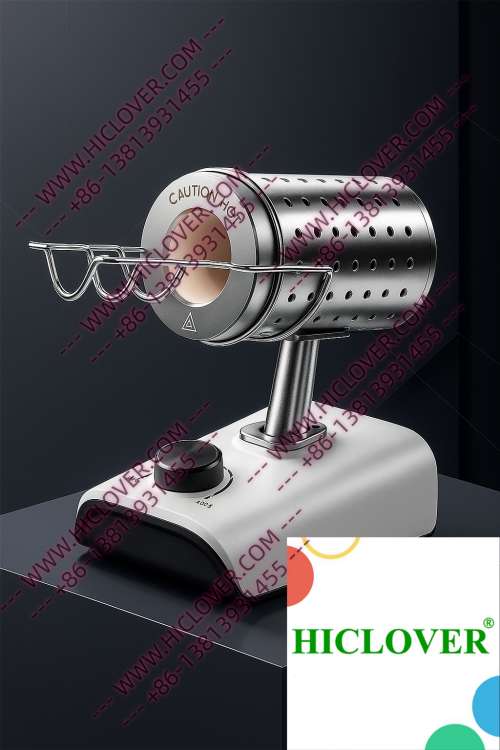
The Micro Incinerator utilizes advanced infrared heat technology to achieve rapid thermal sterilization in a closed environment. The core of this device comprises an enclosed ceramic heating chamber, which provides high-temperature disinfection without the use of flames. This innovative design not only eliminates the risks associated with open flames but also promotes better control of the sterilization process through precise heating.
- Infrared technology: Delivers instant heat without the risk of flames.
- Ceramic heating chamber: Ensures consistent high temperatures for effective sterilization.
- Compact design: Ideal for cramped laboratory spaces and portable use in the field.
Application Scenarios in Real Labs
Biosafety Cabinets
In a BSL-2 or BSL-3 microbiology lab, the Micro Incinerator can be employed inside biosafety cabinets, ensuring a cleaner and safer workspace. With no flame, the risk of igniting combustible materials is reduced, allowing microbiologists to focus on their work without the distraction of potential hazards. The sterilizer enables quick and effective inoculation loop cleaning while minimizing cross-contamination risks during sensitive procedures.
Mobile Field Testing Labs
In remote field testing situations, traditional alcohol lamps are impractical due to their dependency on flammable materials and environment restrictions. The Micro Incinerator is battery-powered, allowing for on-site sterilization of equipment while ensuring compliance with biosafety standards. Research teams can effectively sterilize their instruments, thus maintaining the integrity of their samples and data.
Compliance with Biosafety Standards
With rigorous biosafety regulations established by organizations like the World Health Organization (WHO) and various laboratory accreditation bodies, ensuring compliance is non-negotiable. Traditional flame-based sterilization methods are often prohibited in clean rooms and labs where flammability is a concern. The Micro Incinerator meets these strict guidelines by providing a flame-free solution. Furthermore, its ease of use aligns with laboratory sterilization standards, making it an integral component of modern lab safety protocols.
Considering compliance, the Micro Incinerator stands out when compared to traditional flame burners:
| Feature | Micro Incinerator | Flame Sterilizers |
|---|---|---|
| Flame-Free Operation | Yes | No |
| Rapid Heating | Yes | Yes (but slower) |
| Aerosol-Free Handling | Yes | No |
| Environmentally Safe | Yes | No (combustion fumes) |
FAQs About Micro Incinerators
What makes the Micro Incinerator safer than traditional sterilizers?
The Micro Incinerator operates without flames, reducing the risk of fire hazards and allowing for safe use in sensitive environments such as clean rooms and biosafety cabinets.
Can the Micro Incinerator be used in field testing labs?
Absolutely. Its compact design and battery operation make it perfectly suited for mobile labs, allowing researchers to sterilize their tools on-site efficiently.
How does the sterilization time of a Micro Incinerator compare to that of a flame sterilizer?
The Micro Incinerator provides rapid thermal sterilization, often requiring just a few seconds for effective disinfection, whereas flame sterilizers may take longer to reach operational temperatures.
Are there any maintenance requirements for the Micro Incinerator?
Minimal maintenance is needed, mainly requiring regular checks on the heating element and ensuring that the ceramic chamber remains clean and intact.
Is the Micro Incinerator compliant with biosafety standards?
Yes, it meets WHO guidelines and other laboratory sterilization standards, making it an excellent choice for laboratories aiming to maintain high safety and compliance levels.
Conclusion: Elevate Your Laboratory’s Safety Standards
Switching to the Micro Incinerator or Infrared Inoculating Loop Sterilizer represents a major step towards enhancing laboratory safety and efficiency. By eliminating the risks associated with open flames and conforming to biosafety standards, these sterilizers empower laboratories to maintain a sterile environment without compromising safety. If you’re ready to prioritize safety and efficiency in your sterilization workflow, feel free to contact us for inquiries or purchase options. Upgrade your laboratory equipment today!
Categories:
Tags: