
In a world where microbial contamination can profoundly impact research and clinical outcomes, laboratory biosafety challenges are at an all-time high. The need for effective sterilization methods has never been more critical, especially within microbiology labs that deal with highly infectious agents. Rapid sterilization processes are essential for maintaining a sterile environment, improving workflow, and ensuring safety. One piece of equipment that has increasingly gained traction is the Micro Incinerator or Infrared Inoculating Loop Sterilizer. This technology stands out for its efficiency, safety, and superior performance as a sterilization device.
Understanding the Technology Behind Micro Incinerators
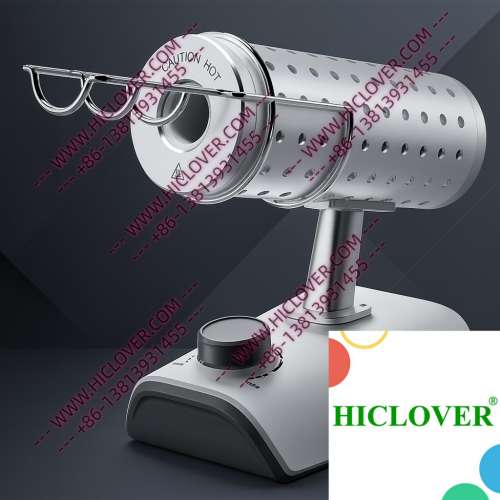
The core principle behind high-temperature infrared sterilizers is the utilization of infrared heat, which provides rapid thermal sterilization without the drawbacks associated with traditional flame sterilizers like alcohol lamps and Bunsen burners. Micro incinerators feature an enclosed ceramic heating chamber that directs intense infrared radiation to the inoculation loop or any other tool being sterilized.
These devices typically reach temperatures above 800°C in a matter of seconds, resulting in effective disinfection with minimal bioaerosol generation. As such, they are ideal for biosafety cabinets and laboratories aiming to minimize contamination risks.
Applications in Real Laboratories
1. Biosafety Cabinets
In BSL-2 and BSL-3 laboratories, where the handling of pathogenic microorganisms is routine, maintaining strict biosafety protocols is crucial. Using a micro incinerator inside a biosafety cabinet allows researchers to efficiently sterilize tools without compromising the sterile environment. The device’s ability to rapidly sterilize inoculating loops reduces the risk of contamination, enhancing the reliability of laboratory results.
2. Mobile Field Testing Labs
Field testing laboratories present unique challenges. Out in the field, maintaining sterility is critical for valid test results, especially in environments that may expose samples to various contaminants. High-temperature infrared sterilizers provide a portable solution for researchers who need to quickly sterilize their equipment on-site, ensuring that tests remain accurate and uncontaminated.
Compliance with Sterilization Standards
When it comes to laboratory sterilization, compliance with safety standards set by organizations such as the World Health Organization (WHO) and national biosafety guidelines is imperative. For instance, in clean rooms and sterile processing areas, traditional flame-based sterilizers can introduce unwanted aerosols and other contamination, posing a risk to both operators and research outcomes.
Infrared inoculating loop sterilizers, such as the Micro Incinerator, fulfill stringent laboratory sterilization standards without the associated risks of flame-based devices. They are ideal for use in clinical diagnostics and university teaching labs, where maintaining a sterile environment is critical for both safety and educational integrity. This reliable thermal yet chemical-free sterilization process allows laboratories to maintain compliance without sacrificing efficiency.
Advantages of Micro Incinerators Over Traditional Flame Sterilizers
The ongoing shift from traditional flame sterilizers to infrared options marks a pivotal change in laboratory practices, marrying efficiency with safety. Here’s a comparison of Micro Incinerators and flame burners:
| Feature | Micro Incinerator | Flame Burners |
|---|---|---|
| Temperature Control | Consistent high temperatures | Variable and dependent on user skill |
| Contamination Risk | Low (enclosed design) | High (open flame risks aerosols) |
| Speed of Sterilization | Seconds | Variable, usually longer |
| Safety | No open flame | Fire hazard |
Frequently Asked Questions
- What is a Micro Incinerator, and how does it work?
A Micro Incinerator, or Infrared Inoculating Loop Sterilizer, uses high temperatures produced by infrared heat to quickly sterilize inoculating loops and tools, ensuring contamination control. - Why should I choose a Micro Incinerator over traditional flame sterilizers?
The Micro Incinerator is safer, faster, and more consistent in temperature control compared to traditional flame sterilizers, minimizing the risks associated with open flames. - Can a Micro Incinerator be used in field testing scenarios?
Yes, its compact design and rapid sterilization capabilities make it an excellent choice for mobile and field testing laboratories. - What safety standards must laboratory sterilization equipment meet?
Equipment must comply with guidelines set by organizations like the WHO and adhere to national biosafety recommendations, particularly in cleanroom environments. - How does the use of a Micro Incinerator ensure compliance?
By minimizing bioaerosol production and providing rapid sterilization in a controlled environment, the Micro Incinerator helps laboratories adhere to critical safety and sterilization standards.
Conclusion
As laboratories continue to navigate the complexities of contamination control and sterilization compliance, adopting innovative solutions like the Micro Incinerator or Infrared Inoculating Loop Sterilizer is no longer optional but essential. Transitioning to high-temperature infrared sterilizers not only streamlines workflows but also enhances operator safety and compliance with biosafety standards.
If you’re ready to upgrade your laboratory practices with our advanced sterilization solutions, contact us today to learn more about our product offerings!
Categories:
Tags: