
Laboratories face numerous biosafety challenges in their quest for effective sterilization. Ensuring contamination control while complying with stringent health guidelines is crucial. This demand for safety in laboratory environments has led to a significant transformation in sterilization workflows, particularly with the introduction of advanced sterilization equipment such as the Micro Incinerator or Infrared Inoculating Loop Sterilizer. This article explores the capabilities of these innovative solutions, their applications in real laboratories, and how they comply with global biosafety standards.
The Technical Principles Behind Infrared Sterilizers
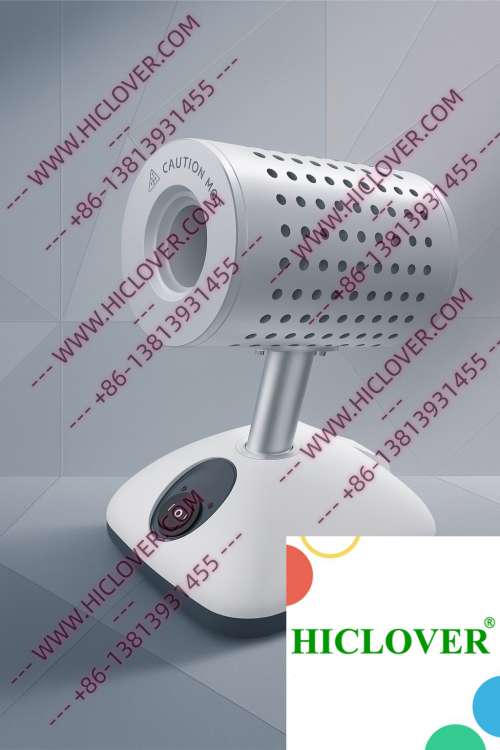
The Micro Incinerator utilizes advanced infrared heat technology to achieve rapid thermal sterilization. Its enclosed ceramic heating chamber ensures that instruments are exposed to high temperatures in a controlled manner, effectively eliminating contaminants without the risk of flames or aerosols. Unlike traditional flame sterilizers such as alcohol lamps and Bunsen burners, which can introduce unwanted variables such as open flames and smoke, the Micro Incinerator provides a clean-bench-safe environment for precise sterilization tasks. This is especially critical in BSL-2 and BSL-3 microbiology labs where contamination could prove detrimental to research and safety.
- Rapid Thermal Sterilization: Achieves results in seconds.
- Contamination Control: Reduces the risk of aerosolized pathogens.
- Ceramic Heating Chamber: Provides even heat distribution.
- Infrared High-Temperature Disinfection: Ensures effective sterilization without flames.
Applications in Real Laboratory Environments
The versatility of infrared inoculating loop sterilizers is evidenced by their use in various laboratory settings:
Biosafety Cabinets and Clean Environments
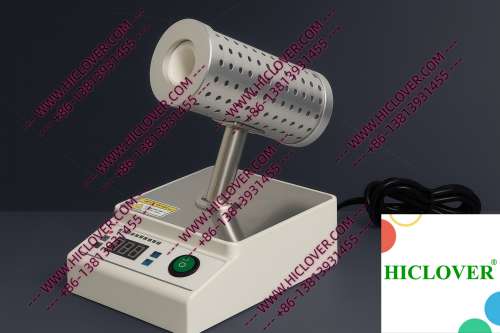
In a typical biosafety cabinet, researchers can safely handle biohazardous materials. The Micro Incinerator fits seamlessly into this environment, providing immediate sterilization of inoculating loops, needles, and other equipment without introducing the risk of fire or contamination. The closed design minimizes the potential for aerosols, making it an ideal choice when working with sensitive samples.
Field Testing Laboratories
Mobile or field testing labs also benefit from the portability and efficiency of infrared sterilizers. When conducting environmental sampling or testing in rural settings, researchers can rely on a lightweight Micro Incinerator to sterilize tools on-site, preventing cross-contamination while adhering to safety protocols.
Compliance with Biosafety and Sterilization Standards
Strict adherence to biosafety standards is essential for laboratory operations. Organizations such as the World Health Organization (WHO) and local regulatory bodies mandate specific sterilization procedures to ensure safety and efficacy. The Micro Incinerator is compliant with these standards, making it suitable for use in environments that require no open flames, such as clean rooms and high-containment laboratories.
Using a flame-free sterilizer is pivotal in maintaining clean-room protocols. Traditional flame sterilizers can produce smoke and soot, which are adverse to clean environments. In contrast, infrared sterilizers like the Micro Incinerator support compliance across various sterilization standards, ultimately enhancing laboratory safety and workflow efficiency.
Comparison of Micro Incinerator to Traditional Flame Sterilizers
| Features | Micro Incinerator | Flame Sterilizers |
|---|---|---|
| Heating Mechanism | Infrared heat | Open flame |
| Contamination Risk | Aerosol-free | Higher risk |
| Efficiency | Instant heating | Variable heating time |
| Safety Compliance | Clean-room safe | Flammable environment hazard |
Frequently Asked Questions
1. How quickly can the Micro Incinerator sterilize instruments?
The Micro Incinerator can sterilize instruments in just a few seconds, making it an efficient choice for high-throughput environments.
2. Is the Micro Incinerator suitable for teaching labs?
Yes, its safety features and ease of use make it an ideal choice for educational settings where students are learning proper sterilization techniques.
3. Can this device be used in field testing labs?
Absolutely! The lightweight and portable design of the Micro Incinerator makes it perfect for mobile laboratories operating in various outdoor settings.
4. Does the Micro Incinerator produce any harmful emissions?
No, it operates without flames, thereby minimizing the risk of harmful emissions often associated with traditional flame sterilizers.
5. What compliance standards does the Micro Incinerator meet?
The Micro Incinerator adheres to WHO biosafety standards and various local and international lab sterilization guidelines, ensuring it is suitable for use in sensitive environments.
Conclusion
As laboratories continue to advance in both technology and safety practices, the need for efficient and reliable sterilization methods cannot be overstated. The Micro Incinerator and infrared inoculating loop sterilizers are at the forefront of this movement, offering significant advantages over traditional flame sterilizers, including improved safety, efficiency, and compliance with stringent standards. For labs looking to enhance their sterilization workflows while ensuring a safe work environment, investing in an infrared sterilization solution is a forward-thinking choice. Contact us today to learn more about how the Micro Incinerator can optimize your laboratory operations.
Categories:
Tags: