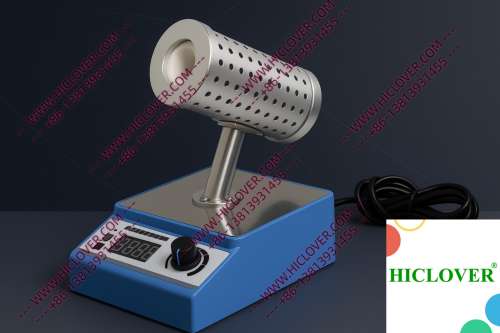
In the realm of laboratory biosafety, challenges abound, particularly when it comes to sterilization workflow demands. Contamination control is crucial in any lab environment, especially for facilities handling sensitive microorganisms. Traditional methods, while effective to a degree, can introduce additional risks and inefficiencies. As laboratories across San Diego adopt new technologies, portable loop sterilizers like the Micro Incinerator or Infrared Inoculating Loop Sterilizer are becoming essential tools that enhance both safety and efficiency.
Understanding the Technical Principles of Infrared Sterilization
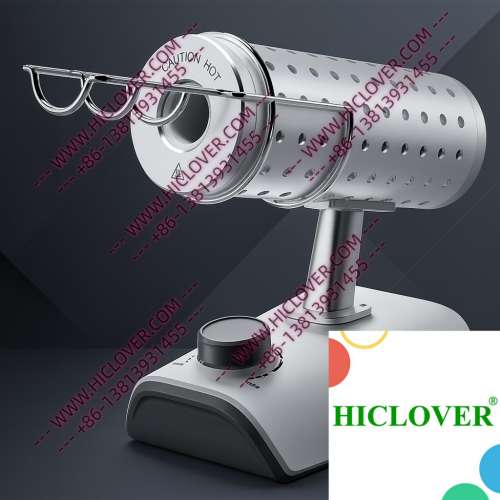
At the heart of the Micro Incinerator’s design lies its innovative use of infrared heat. This remarkable device utilizes a ceramic heating chamber enclosed in a robust casing to achieve rapid thermal sterilization. When the loop sterilizer is activated, infrared radiation rapidly heats the core to temperatures that efficiently eliminate bacterial and fungal pathogens, ensuring a sterile inoculating loop ready for immediate use.
Unlike traditional flame sterilizers, which can produce aerosols and have a risk of causing uneven heating or partial combustion, the Micro Incinerator eliminates these risks by providing a consistent, controlled heat source. This makes it ideal for clean-bench-safe environments where contamination control is paramount.
Applications in Real Laboratory Settings
- Biosafety Cabinets: In BSL-2 and BSL-3 microbiology labs, strict protocols are in place to manage biological agents. The Micro Incinerator’s compact design makes it a perfect complement to biosafety cabinets, allowing lab technicians to sterilize tools without breaking containment protocols. Utilizing this device during procedures minimizes potential aerosol emissions, thereby enhancing worker and environmental safety.
- Field Testing Laboratories: For mobile labs conducting field tests, the portability and rapid sterilization capabilities of the Micro Incinerator are game-changers. Lab technicians can quickly sterilize inoculating loops on-site, which is crucial for maintaining sample integrity and preventing cross-contamination while working in various environments, including public health assessments.
- Teaching Labs: In university settings, teaching labs often require additional focus on student safety and efficient protocols. The Micro Incinerator caters to these demands, providing a clean, flame-free solution that allows students to learn proper aseptic techniques without the risk of burns from traditional flame sterilizers.
Compliance with Biosafety Protocols
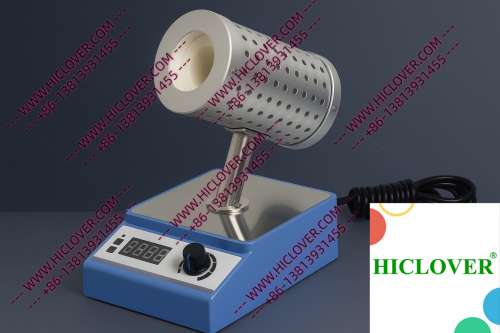
As laboratory settings across the globe adhere to stringent biosafety standards, the need for equipment that complies with both WHO biosafety and lab sterilization protocols has never been greater. The use of traditional flame sterilizers in cleanrooms is often prohibited due to their propensity to cause contamination through flame exposure and the potential for aerosol generation. The Micro Incinerator, with its closed ceramic heating chamber, adheres to these critical compliance standards.
Moreover, many standard laboratory practices promote the use of devices that minimize risk. Utilizing the Micro Incinerator not only meets health and safety regulations but also aligns with environmental efforts by reducing the need for chemical disinfectants and open flames that contribute to air contamination.
Comparing Micro Incinerators and Traditional Flame Burners
| Feature | Micro Incinerator | Traditional Flame Burners |
|---|---|---|
| Safety | Low risk of fire hazards, no open flames | High risk of burns and fire hazards |
| Heating Method | Infrared heating, consistent and controllable | Open flame, variable heating |
| Portability | Compact and portable for outdoor or field use | Dependent on gas supply; less portable |
| Ease of Use | Quick startup, no special skills required | Requires skill to manage flame and ensure safety |
| Environmental Impact | Minimal, chemical-free sterilization | Higher due to smoke and potential aerosols |
Frequently Asked Questions (FAQs)
1. How does the Micro Incinerator ensure safe sterilization?
The device uses infrared heat, eliminating the need for open flames, reducing the risks associated with traditional methods while ensuring effective sterilization.
2. Can the Micro Incinerator be used outdoors?
Yes, its portable design makes it suitable for field testing laboratories, allowing for reliable sterilization anywhere.
3. Is the Micro Incinerator compliant with lab safety standards?
Absolutely. It meets WHO biosafety and sterilization standards, making it ideal for BSL-2 and BSL-3 labs.
4. How quickly does the Micro Incinerator heat up?
The Micro Incinerator provides rapid thermal sterilization, allowing users to achieve sterilization temperatures in seconds.
5. What are the advantages of using infrared loop sterilizers over traditional methods?
Infrared sterilizers offer enhanced safety, consistent heating, portability, and a reduced environmental impact compared to flame-based methods.
Conclusion
With the rise in biosafety standards and the demand for efficient laboratory practices in San Diego, clinics are turning towards portable sterilization solutions like the Micro Incinerator or Infrared Inoculating Loop Sterilizer. This revolutionary device not only enhances safety and efficiency but also adheres to rigorous compliance standards required in modern laboratory environments. For those looking to improve their sterilization workflow or expand their laboratory offerings, it may be the right time to invest in this leading-edge technology.
To explore options for the Micro Incinerator or to request a demonstration, please contact us today. Experience the evolution of laboratory sterilization and embrace safety with efficiency!
Categories:
Tags: