
In the rapidly evolving landscape of laboratory research and clinical diagnostics, ensuring the utmost safety and efficiency in sterilization workflows has become a paramount concern. Laboratory biosafety challenges, including contamination control and the need for reliable sterilization methods, drive researchers and lab managers to seek innovative solutions. Among these, the Micro Incinerator / Infrared Inoculating Loop Sterilizer stands out as a remarkable advancement in the field of laboratory sterilization equipment.
Understanding the Technical Principle Behind Infrared Sterilizers
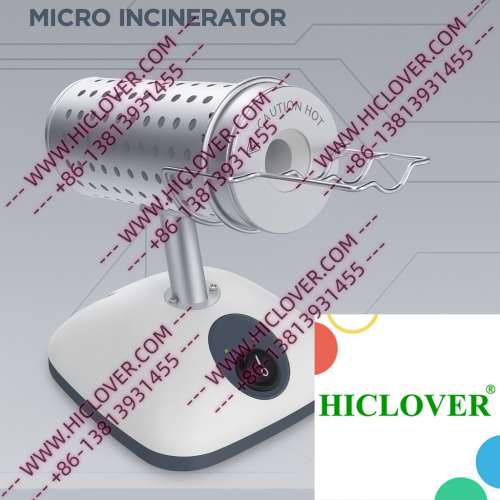
Micro Incinerators employ the principle of rapid thermal sterilization through infrared heat, a feature that distinguishes them from traditional flame sterilizers. The enclosed ceramic tube design ensures a clean and efficient heating source, allowing for high-temperature disinfection without risking contamination through aerosol spread. This technique operates at temperatures exceeding 800°C, ensuring that inoculating loops, needles, and other tools are sterilized quickly and effectively. The infrared technology facilitates heating the tools in seconds, drastically reducing waiting time and improving laboratory workflow.
Real-World Applications of Micro Incinerators
1. University Teaching Labs
In educational institutions where microbiology is taught, the importance of effective sterilization cannot be overstated. In university teaching labs, Micro Incinerators provide an excellent solution for students learning aseptic techniques. With their clean-bench-safe design, these sterilizers allow students to quickly sterilize their inoculating loops in a safe setting, minimizing the risk of contamination while fostering an understanding of proper sterilization methods.
2. Field Testing Laboratories
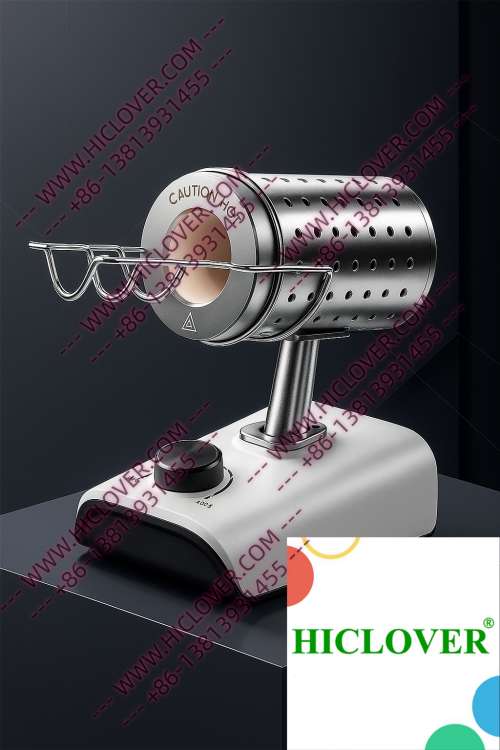
Field testing environments often pose unique challenges for sterilization. For instance, during remote sampling for environmental monitoring, researchers need reliable killing methods without the need for traditional flame sources, which can be impractical due to portability issues. The lightweight and compact nature of the Micro Incinerator makes it an ideal companion for field tests, allowing for quick and effective sterilization, thus ensuring the integrity of environmental samples.
Compliance and Environmental Considerations
Adhering to established biosafety standards is critical in mitigating risks in laboratory environments. The World Health Organization (WHO) recommends strict compliance with biosafety protocols, especially in BSL-2 and BSL-3 microbiology labs. Micro Incinerators not only accommodate these standards but also circumvent common issues associated with flame sterilizers, such as the risk of aerosol generation and the use of volatiles in clean rooms. The absence of an open flame makes these devices safe for use in various environments, including clean rooms and biosafety cabinets.
Advantages of Micro Incinerators Over Traditional Flame Sterilizers
Comparing Micro Incinerators with traditional flame sources such as alcohol lamps and Bunsen burners showcases numerous advantages:
| Feature | Micro Incinerator | Flame Burner |
|---|---|---|
| Heating Time | Seconds | 30 seconds or more |
| Aerosol Generation | No | Yes |
| Portability | Compact | Less portable |
| Efficiency | High | Variable |
| Temperature Control | Precise | Moderate |
Frequently Asked Questions (FAQs)
- What is the primary benefit of using a Micro Incinerator in lab settings?
The primary benefit is the rapid and efficient sterilization of tools without the risks associated with flames or aerosol generation. - How does the Micro Incinerator compare to traditional heating methods?
It offers faster sterilization times, enhanced safety features, and better portability, making it ideal for various laboratory environments. - Can Micro Incinerators be used in clean rooms?
Yes, their flame-free operation makes them suitable for use in clean rooms where contamination risks need to be minimized. - Are there specific guidelines for using Micro Incinerators in laboratories?
Yes, users should always follow biosafety guidelines as set out by organizations such as WHO, focusing on aseptic techniques and equipment upkeep. - What types of laboratories benefit most from Micro Incinerator use?
BSL-2 and BSL-3 microbiology labs, clinical diagnostics, educational institutions, and field testing laboratories are all ideal settings for Micro Incinerators.
Conclusion
As laboratories continually face challenges regarding contamination control and sterilization workflow efficiency, the Micro Incinerator / Infrared Inoculating Loop Sterilizer emerges as a leading solution. Its advanced technology delivers rapid thermal sterilization while ensuring unparalleled safety and compliance with established biosafety standards. If you’re looking to upgrade your laboratory sterilization practices and enhance safety protocols, consider making the investment in a Micro Incinerator today. For further inquiries or to purchase our premium sterilizers, please contact us!
Categories:
Tags: