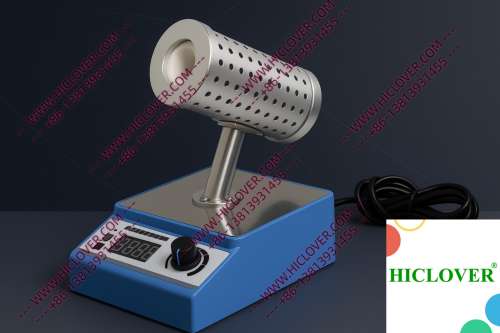
In laboratories, the need for efficient and safe sterilization methods is paramount. Traditional flame-based heating devices like alcohol lamps and Bunsen burners have long been utilized for tasks such as sterilizing inoculating loops and other laboratory tools. However, their use raises several biosafety challenges, including the risk of flame-induced contamination, aerosol generation, and the complexities of working in confined spaces like biosafety cabinets.
Addressing Laboratory Sterilization Workflow Demands
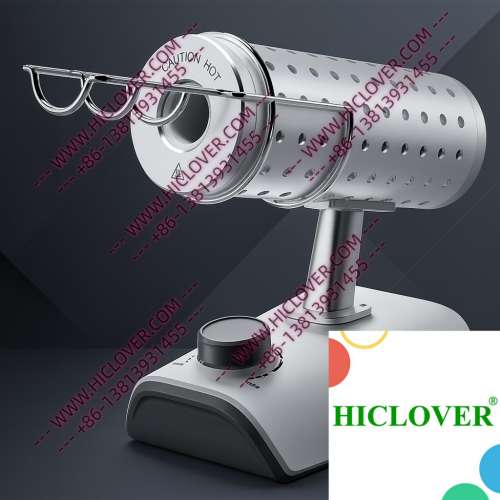
Modern laboratories are continually evolving to meet stringent sterilization requirements and enhance biosafety measures. One innovative solution that has emerged to replace alcohol lamps is the Micro Incinerator, also known as an Infrared Inoculating Loop Sterilizer. This device streamlines the sterilization process, making it not only safer but also more efficient.
How the Infrared Inoculating Loop Sterilizer Works
The Micro Incinerator leverages advanced infrared heating technology to achieve rapid thermal sterilization. This process involves the use of an enclosed ceramic tube that generates high temperatures without an open flame. The heating element provides infrared radiation that penetrates the surface of the instruments, achieving effective disinfection in mere seconds. Laboratory staff can achieve high-temperature disinfection while minimizing the risk of aerosols or airborne contaminants, crucial in sensitive environments.
Applications in Real Laboratories
Let’s explore two significant application scenarios for the Micro Incinerator:
- Biosafety Cabinets: In BSL-2 and BSL-3 environments, cellular and molecular biology researchers often make use of biosafety cabinets to work with potentially harmful microorganisms. Using alcohol lamps can compromise the sterile airflow provided in these cabinets. The Micro Incinerator, with its closed design, allows for safe sterilization without interfering with the cabinet’s biosafety measures.
- Teaching Laboratories: University labs that instruct students in microbiology often grapple with safety concerns and the potential for flame-related accidents. The introduction of Micro Incinerators creates a safer learning environment, enabling hands-on experience with a reliable and efficient sterilization method.
Compliance and Environmental Considerations
Maintaining compliance with global standards for biosafety and laboratory practices is integral to modern lab operations. According to the World Health Organization (WHO), laboratories handling infectious agents must adhere to strict sterilization protocols to minimize the risk of contamination and spread. The use of flame in clean rooms and during sensitive procedures poses significant hazards that can lead to breaches in sterile conditions.
Modern sterilization solutions like the Micro Incinerator align with compliance standards while promoting a safer workflow. Unlike traditional flame systems, these devices do not generate combustion products or aerosols, making them ideal for use in clean environments and applications such as clinical diagnostics, where precision and cleanliness are essential.
Comparative Analysis: Micro Incinerator vs. Flame Burners
| Feature | Micro Incinerator | Flame Burners |
|---|---|---|
| Safety | No flame; aerosol-free handling | Open flame; risk of burns and contamination |
| Efficiency | Rapid thermal sterilization | Slower; requires constant flame maintenance |
| Versatility | Works in biosafety cabinets | Limited to open areas |
| Maintenance | Low; no fuel requirements | Regular refueling needed |
Frequently Asked Questions
- What is a Micro Incinerator and how does it work?
A Micro Incinerator is an infrared inoculating loop sterilizer that utilizes high-temperature infrared radiation to rapidly sterilize laboratory instruments without an open flame, ensuring a safer working environment.
- Can Micro Incinerators be used in clean rooms?
Yes, Micro Incinerators are compliant with clean room protocols. Their flame-free operation prevents contamination and is ideal for sensitive testing environments.
- What advantages does a Micro Incinerator offer over traditional flame sterilizers?
Micro Incinerators provide increased safety, rapid sterilization, and compatibility with closed environments, while eliminating the hazards associated with open flames.
- Where can I purchase a Micro Incinerator?
You can find Micro Incinerators through laboratory supply distributors, research equipment suppliers, or directly from manufacturers specializing in advanced sterilization technologies.
- How can I ensure compliance with laboratory sterilization standards?
Using devices like the Micro Incinerator helps maintain compliance with WHO biosafety and laboratory sterilization protocols, ensuring your lab meets the necessary safety measures.
Conclusion: Embrace the Future of Laboratory Sterilization
As the demand for effective sterilization technologies grows, the Micro Incinerator/Infrared Inoculating Loop Sterilizer stands out as an essential tool for modern laboratories. By transitioning from traditional alcohol lamps to these advanced solutions, laboratories can significantly enhance biosafety, optimize workflows, and maintain compliance with rigorous sterilization standards. For inquiries or to learn more about implementing Micro Incinerators in your lab, feel free to contact us today!
Categories:
Tags: