
In modern laboratories, maintaining stringent hygiene protocols can often feel like an uphill battle. From microbial contamination to the challenges posed by traditional sterilization methods, researchers are constantly seeking innovative solutions to enhance biosafety. The rise of spatter-free sterilization techniques, particularly through the use of Micro Incinerators and Infrared Inoculating Loop Sterilizers, is transforming sanitation workflows, paving the way for a cleaner, safer working environment.
Traditional Sterilization Challenges
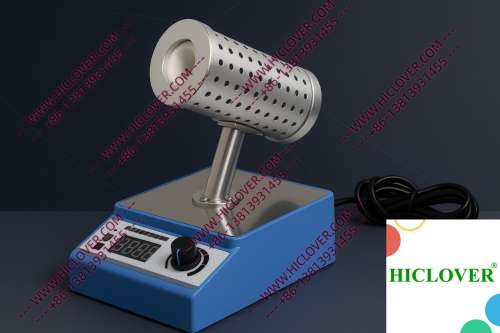
Traditionally, flame sterilizers such as Bunsen burners and alcohol lamps have been the go-to solutions for sterilizing inoculating loops and other lab tools. However, these methods come with several downsides, including:
- Production of smoke and spatter, leading to potential contamination.
- Increased cleanup time due to residues left after use.
- Risks associated with open flames in sensitive environments such as BSL-2 and BSL-3 laboratories.
- Inadequate heat distribution, resulting in inconsistent sterilization.
- Infrared high-temperature disinfection: This method generates intense heat without any open flame, eliminating aerosol generation during the sterilization process.
- Ceramic heating chamber: The design ensures uniform heat distribution, allowing for effective and consistent sterilization of inoculating loops and other tools in seconds.
- An ergonomic interface: This enhances user experience, making the sterilization process not only faster but also safer.
- Safe and contained sterilization without the risk of spreading contaminants.
- Elimination of aerosol and spatter, protecting both the lab personnel and the environment.
- Efficient workflow processes, where multiple sterilizations can be performed rapidly and without interruption.
- Portability: Easily transported to remote locations.
- No need for gas lines or combustion sources, making it safe to operate.
- Reliable performance in various environmental conditions.
- Biosafety Level (BSL) compliance with respect to sterilization processes.
- Low-risk procedures that minimize hazards, especially in environments with sensitive material, such as CO2 incubators and anaerobic chambers.
- Using sterilization methods that do not produce fumes or contaminants—conditions catered to by using Infrared Inoculating Loop Sterilizers.
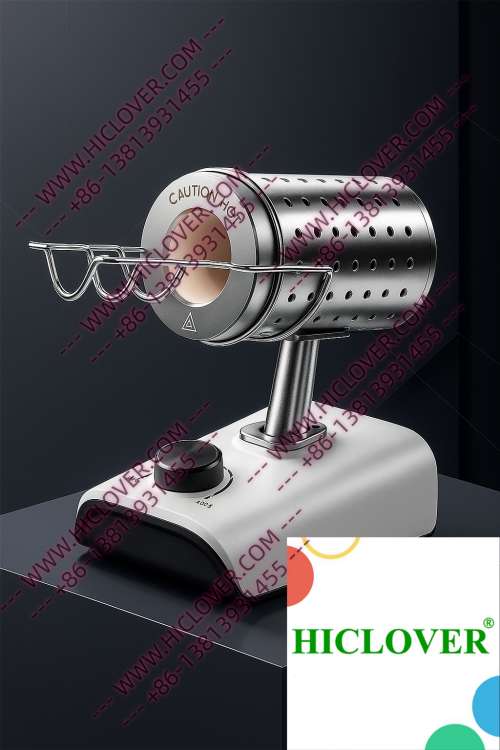
Adopting spatter-free sterilization technology can significantly enhance workflow efficiency while adhering to compliance regulations that ensure safety in laboratory settings.
Introducing the Micro Incinerator
The Micro Incinerator, or Infrared Inoculating Loop Sterilizer, is engineered to provide rapid thermal sterilization using infrared heat via an enclosed ceramic tube. The technical principle behind this innovative device involves:
Application Scenarios in Contemporary Labs
The application of Micro Incinerators is vast and varied, making them suitable for different laboratory environments. Here are two scenarios where they shine:
Biosafety Cabinets
In BSL-2 and BSL-3 microbiology labs, maintaining a sterile environment is crucial, especially when dealing with pathogenic microorganisms. The Micro Incinerator fits perfectly within a biosafety cabinet, allowing for:
Field Testing and Mobile Labs
Field testing poses unique challenges due to the lack of established lab facilities. The lightweight and compact design of Micro Incinerators makes them a preferred choice for mobile labs. Benefits include:
Compliance with International Standards
Adhering to international biosafety standards is paramount for laboratories to ensure the safety of staff and the integrity of experiments. Guidelines from organizations such as the WHO emphasize the need for:
Switching to spatter-free sterilization not only enhances lab efficiency but also aligns with stringent sterilization standards in healthcare, research, and educational settings.
Micro Incinerator vs. Traditional Flame Sterilizers
| Feature | Micro Incinerator | Traditional Flame Sterilizers |
|---|---|---|
| Heat Source | Infrared | Open flame |
| Operational Safety | High, spatter-free | Moderate, risk of aerosols |
| Cleanliness | Minimal residue | Significant smoke and soot |
| Efficiency | Rapid, consistent | Variable, time-consuming |
| Portability | High | Low |
FAQs About Micro Incinerators
1. How does a Micro Incinerator work?
A Micro Incinerator uses infrared heat to sterilize inoculating loops and tools within seconds while preventing contamination through the absence of an open flame.
2. Are Micro Incinerators safe to use in BSL-3 labs?
Yes, they are designed to operate safely within BSL-3 environments, as they prevent the spread of aerosols and pollutants during sterilization.
3. How do Micro Incinerators compare to Bunsen burners?
Micro Incinerators offer a spatter-free solution with rapid sterilization times, while traditional Bunsen burners produce smoke and require extensive cleanup.
4. What are the main benefits of infrared sterilization?
Infrared sterilization is faster, cleaner, and safer compared to traditional flame methods, making it ideal for sterile environments.
5. Can Micro Incinerators be used for general laboratory sterilization?
Absolutely, Micro Incinerators are versatile and can be employed for various sterilization needs beyond inoculating loops, increasing overall hygiene protocols in the lab.
Conclusion
As the landscape of laboratory hygiene protocols shifts towards more advanced and efficient solutions, Micro Incinerators emerge as a front-runner in redefining sterilization practices. They combine safety, efficiency, and compliance, making them an invaluable asset in laboratories across various sectors, including research and clinical diagnostics. If you’re seeking to enhance laboratory workflows and prioritize safety, consider integrating a Micro Incinerator into your sterilization processes. Contact us today to learn more about our range of sterilization solutions tailored to your needs.
Categories:
Tags: