
In today’s laboratory environments, maintaining strict biosafety standards is a central concern for many institutions. The presence of any odors can indicate unsanitary conditions or improper sterilization, which can compromise the integrity of research and diagnostics. This is why modern sterilization equipment like the Micro Incinerator and Infrared Inoculating Loop Sterilizer have become indispensable tools in laboratories, providing effective and odor-free sterilization without the hazards associated with traditional flame sterilizers.
Design and Technical Principles
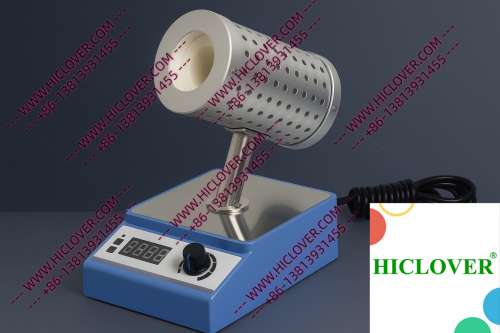
The Micro Incinerator operates on the principle of rapid thermal sterilization utilizing infrared heat. Unlike conventional alcohol lamps or Bunsen burners, which produce flames and can introduce contaminants into sensitive environments, the Micro Incinerator harnesses an enclosed ceramic tube to generate high-temperature disinfection while keeping aerosol emissions to a minimum.
The design features a durable ceramic heating chamber that quickly reaches sterilization temperatures of up to 850°C. This allows for efficient sterilization of inoculating loops, needles, and other small instruments within seconds. The compact nature of the unit makes it ideal for use in clean benchtops and biosafety cabinets, minimizing airflow disturbance that can lead to contamination.
Applications in Real Labs
1. Biosafety Cabinets
One of the primary applications for Micro Incinerators is within biosafety cabinets in BSL-2 and BSL-3 microbiology labs. Researchers often work with potentially dangerous pathogens and require a sterile environment to prevent cross-contamination. The Micro Incinerator provides an aerosol-free handling procedure that aligns with lab safety guidelines, offering quick sterilization of tools without the risk of flame exposure that traditional sterilizers pose.
2. Clinical Diagnostics and Teaching Labs
In university teaching labs and clinical diagnostics, the Micro Incinerator simplifies sterilization workflows significantly. Students can be trained in proper inoculation techniques using sterile tools without worrying about the complexities of open flames. The rapid heating eliminates the need for extensive waiting periods, ensuring that the lab’s throughput remains high and allowing more hands-on experience for aspiring microbiologists.
Compliance and Environmental Considerations
Compliance with globally recognized biosafety standards is crucial to laboratory operations. The World Health Organization (WHO) outlines regulations that enforce stringent protocols in laboratories handling pathogens. Using tools like the Micro Incinerator not only adheres to these regulations but also ensures that no open flames are present in clean rooms, aligning with contemporary cleanliness protocols.
- WHO Biosafety Guidelines: Encourage the use of effective sterilization methods that do not compromise the integrity of the laboratory environment.
- Environmental Safety: Reduces the carbon footprint associated with disposable sterilization tools by providing a reusable solution.
- lab sterilization standards: Outlined by ISO and CDC that recommend the use of non-flame sterilizers in sensitive areas.
Advantages: Micro Incinerator vs. Traditional Flame Sterilizers
| Features | Micro Incinerator | Flame Sterilizers |
|---|---|---|
| Sterilization Method | Infrared Heat | Open Flame |
| Odor Emission | No Odor | Smokey Odor |
| Risk of Contamination | Minimal | High |
| Safety Compliance | High | Moderate |
| Usability in Clean Rooms | Excellent | Poor |
Frequently Asked Questions
What is a Micro Incinerator?
A Micro Incinerator is a specialized sterilization device that uses infrared heat to rapidly sterilize biological instruments without the harmful byproducts associated with flame sterilizers.
How does infrared sterilization work?
Infrared sterilization works by generating heat through infrared radiation, which is absorbed by instruments placed within the enclosed ceramic chamber, reaching sterilization temperatures quickly and effectively.
Can a Micro Incinerator be used in clean rooms?
Yes, Micro Incinerators are designed for use in clean rooms, as they eliminate open flames and thus reduce the risk of contamination.
What types of laboratories benefit most from using a Micro Incinerator?
Biosafety labs (BSL-2 and BSL-3), teaching laboratories, clinical diagnostics, and field testing labs that require strict adherence to sterilization protocols benefit significantly from this technology.
Are Micro Incinerators compliant with regulatory standards?
Absolutely, Micro Incinerators comply with WHO biosafety guidelines and other international lab sterilization standards, ensuring safe and efficient sterilization processes.
Conclusion
In summary, the rise of Micro Incinerators and infrared inoculating loop sterilizers marks a fundamental shift in how laboratories approach sterilization. By reducing odors, minimizing contamination risks, and ensuring compliance with stringent biosafety standards, these devices greatly enhance laboratory efficiency and safety. If you’re ready to revolutionize your sterilization process, consider integrating the Micro Incinerator into your lab’s workflow today. For inquiries and purchasing information, feel free to contact us for further details!
Categories:
Tags: