
In today’s fast-paced laboratory environments, the quest for effective contamination control and sterilization remains paramount. Laboratories face practical biosafety challenges such as managing biological waste while ensuring minimal contamination risk. Urban settings exacerbate these demands by generating significant waste, which necessitates innovative solutions for both environmental compliance and operational efficiency. Enter the Micro Incinerator, specifically the Infrared Inoculating Loop Sterilizer—a breakthrough technological advancement that is redefining how laboratories approach sterilization.
Technical Principles Behind Micro Incinerators
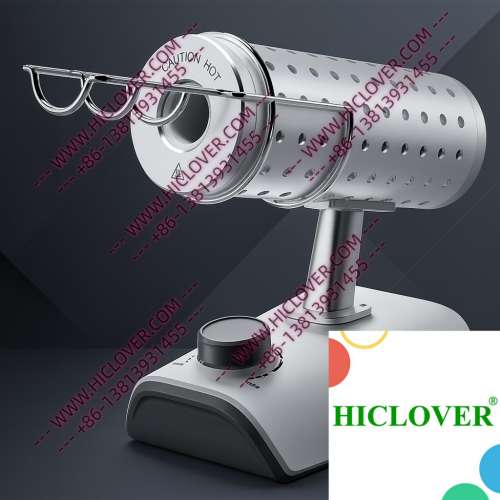
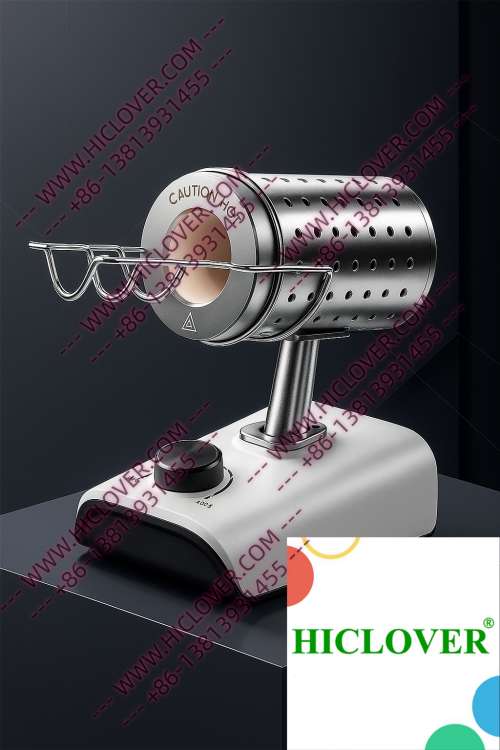
The Micro Incinerator operates on a simple yet powerful principle of infrared heat. Utilizing an enclosed ceramic tube, the device achieves temperatures of up to 950°C, allowing for rapid thermal sterilization. This innovative heating method efficiently eliminates contaminants, making it ideal for sensitive laboratory environments, including BSL-2 and BSL-3 microbiology labs. Unlike traditional flame sterilizers, such as alcohol lamps and Bunsen burners, the Micro Incinerator provides a safer, more reliable solution, reducing the risk of accidental fires and enhancing operational safety within cleanrooms and biosafety cabinets.
Applications in Real Labs
- Biosafety Cabinets: The Micro Incinerator is perfect for laboratories where a sterile environment is critical. By integrating it into biosafety cabinets, technicians can swiftly sterilize inoculating loops and tools without compromising the sterile environment.
- Teaching Labs: In university settings, the Micro Incinerator encourages safe practices in laboratory classes. Students can learn effective sterilization techniques without the hazards associated with flame sterilization, promoting a more controlled learning environment.
Environmental and Compliance Considerations
In terms of compliance, the Micro Incinerator aligns with World Health Organization (WHO) biosafety guidelines, ensuring that laboratory practices meet international safety standards. Furthermore, it satisfies laboratory sterilization standards by eliminating the need for open flames in clean rooms. This advancement not only adheres to environmental regulations but also significantly reduces aerosol formation during sterilization processes—a critical factor in preventing contamination.
Why Choose the Micro Incinerator Over Traditional Flame Burners?
When comparing sterilization methods, the Micro Incinerator demonstrates clear advantages over traditional flame burners. The table below outlines key differences:
| Feature | Micro Incinerator | Traditional Flame Burners |
|---|---|---|
| Temperature Control | Up to 950°C with adjustable settings | Variable; depends on fuel and technique |
| Safety | Reduced fire risk; enclosed heating | Open flame; higher fire hazard |
| Efficiency | Rapid thermal sterilization | Slower heating times |
| Aerosol Production | Aerosol-free handling | Higher risk of aerosol generation |
| Environmental Compliance | Meets WHO biosafety standards | Variable; often lacks compliance |
Use Cases of Micro Incinerators
The versatility of Micro Incinerators goes beyond laboratory use. They’re also widely employed in mobile or field testing labs, enabling researchers to conduct sterilization on-the-go, ensuring that no contaminants compromise sample integrity. Additionally, in operations involving CO₂ incubators and anaerobic chambers, the Micro Incinerator proves invaluable in maintaining high standards of sterilization without disrupting the environment.
FAQs
- What types of labs benefit from the Micro Incinerator? Laboratories operating at BSL-2 and BSL-3 levels, clinical diagnostics, and educational institutions benefit most from this technology.
- How is the Micro Incinerator powered? It typically operates on standard electrical power, making it easy to integrate into existing lab setups.
- Does it meet safety compliance? Yes, it meets WHO biosafety and laboratory sterilization standards, providing a safe alternative to open flames.
- Can it be used in field testing environments? Absolutely, it’s designed for mobility while ensuring effective sterilization in various field conditions.
- What maintenance is required? Regular cleaning of the ceramic tube and ensuring proper power supply are essential for optimal performance.
Market Needs and Regional Impacts
The demand for efficient sterilization methods is especially pronounced in urban areas where public health standards are under scrutiny. Countries like the United States and regions within Europe and Asia are pivoting towards sustainable operational practices in laboratories. By adopting Micro Incinerators, laboratories can effectively manage waste against the backdrop of increasing social and regulatory pressures to minimize contamination and promote health safety. This extends to NGOs and research centers operating in urban settings, where waste disposal and regulation adherence are critical for project success.
Conclusion
Scaling down waste is not just a necessity but a responsibility in modern laboratory practices. The Micro Incinerator offers an effective solution to urban challenges posed by waste management and contamination control. By investing in this state-of-the-art sterilization equipment, laboratories can enhance biosafety compliance, streamline workflows, and contribute positively to environmental sustainability. If you’re ready to revolutionize your sterilization processes, explore our range of Micro Incinerators today, and allow us to assist you in maximizing laboratory efficiency and safety.
Categories:
Tags: