
In the realm of laboratory operations, biosafety challenges continually test the ingenuity of researchers and technicians across the globe. Part of these challenges involves managing the sterilization of tools vital for accurate, contamination-free results. With the rise of stricter health standards and a growing need for efficient sterilization processes, the adoption of innovative laboratory sterilization equipment such as the Micro Incinerator has emerged as a game-changer.
Understanding the Micro Incinerator Technology
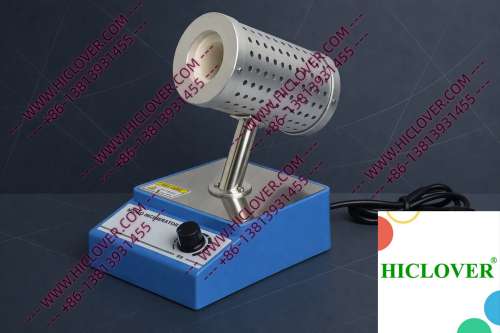
The Micro Incinerator operates based on the principle of rapid thermal sterilization using infrared heat. This advanced sterilization equipment is designed with an enclosed ceramic heating chamber that provides high-temperature disinfection while ensuring safety and efficacy. Unlike traditional methods such as alcohol lamps or Bunsen burners, the Micro Incinerator offers a clean, flame-free solution for sterilization—ideal for modern laboratories.
Features of the Micro Incinerator
- High-Temperature Capability: Achieves temperatures exceeding 800 °C for effective sterilization.
- Compact Design: Space-efficient, making it suitable for use within clean benches and limited laboratory spaces.
- Ease of Use: Simple operational mechanisms enhance usability for both experienced technicians and novices.
- Aerosol-Free Handling: Eliminates the risk of aerosol generation, vital for biosafety in labs.
- Low Maintenance: With durable components, it requires minimal upkeep compared to traditional flame devices.
- Meets WHO biosafety recommendations.
- Adheres to sterilization standards put forth by national and international health organizations.
- Provides a clean and safe alternative to potentially hazardous flame-based sterilizers.
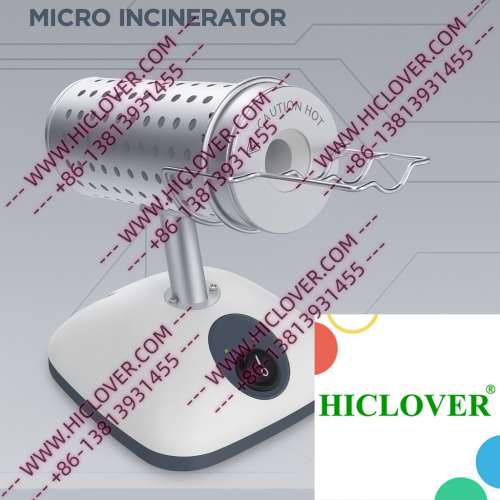
Practical Applications of Micro Incinerators in Laboratories
The adaptability of Micro Incinerators to various laboratory environments showcases their essential utility. Here are two notable application scenarios:
1. Biosafety Cabinet Operations
In BSL-2 and BSL-3 microbiology labs, the need for enhanced safety and sterilization methods is non-negotiable. Micro Incinerators are often installed in biosafety cabinets, offering a reliable means to efficiently sterilize inoculating loops and other heat-resistant tools. This application fortifies contamination control practices, allowing technicians to handle specimens with minimal risk.
2. University Teaching Labs
Educational institutions, particularly those with microbiology and biotechnology programs, benefit greatly from the Micro Incinerator. Students learn vital techniques in sterilization without the dangers posed by open flames. The safe and controlled environment provided by the Micro Incinerator allows hands-on training in a manner that aligns with the necessary biosafety standards for laboratory work.
Compliance and Environmental Standards
The introduction of the Micro Incinerator not only enhances procedural efficiency but also aligns with crucial compliance and environmentally-oriented standards. The World Health Organization (WHO) outlines specific biosafety protocols for laboratories, including effective waste management practices that minimize risk. Given the increased frequency of sensitive operations conducted in laboratories, it’s paramount to use effective, flame-free sterilization methods, especially in clean rooms where any combustion could be problematic.
Here are some compliance benefits associated with using Micro Incinerators:
Comparison of Micro Incinerator and Traditional Flame Sterilizers
| Feature | Micro Incinerator | Traditional Flame Sterilizers |
|---|---|---|
| Temperature Control | Externally controlled with precision | Dependent on user skill |
| Safety | Flame-free operation | Combustible, risk of fire |
| Space Efficiency | Compact design | Bulkier setup required |
| Maintenance | Low maintenance | Regular upkeep needed |
| Aerosol Generation | Aerosol-free | Potential for contaminant aerosol |
FAQs about Micro Incinerators
How does a Micro Incinerator work?
The Micro Incinerator uses infrared heat generated within a ceramic heating chamber to provide rapid thermal sterilization of laboratory tools and equipment.
What types of labs can benefit from using a Micro Incinerator?
Biosafety laboratories, clinical diagnostic settings, teaching laboratories, and field testing environments can all utilize Micro Incinerators for effective sterilization.
Are Micro Incinerators compliant with current biosafety standards?
Yes, they meet WHO biosafety standards and other sterilization protocols, ensuring a safe working environment.
Can a Micro Incinerator replace traditional flame sterilizers?
Absolutely! Micro Incinerators offer significant advantages, including safety, efficiency, and ease of use, making them suitable replacements.
What is the maintenance required for a Micro Incinerator?
Micro Incinerators are designed for low maintenance, typically requiring only periodic cleaning and checks on the ceramic heating elements.
Conclusion
Adopting a Micro Incinerator within your laboratory not only streamlines the sterilization workflow but significantly enhances safety and compliance. As hospitals like the Scottsdale Hospital innovate their medical waste management and sterilization processes, institutions that embrace this sophisticated equipment will lead the way in laboratory excellence and safety protocols.
If you are interested in learning more about procuring a Micro Incinerator or understanding how it can revolutionize your laboratory practices, please feel free to get in touch with us!
Categories:
Tags: