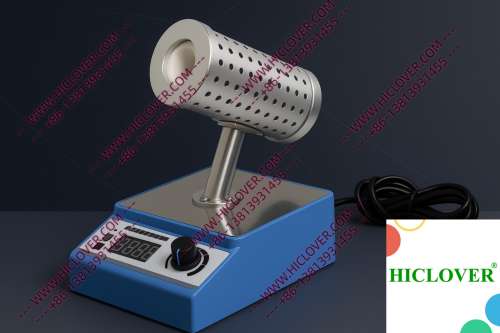
Laboratories today are under immense pressure to maintain rigorous biosafety standards, particularly given the growing global emphasis on contamination control and efficient sterilization processes. The demand for reliable sterilization equipment, capable of tackling the unique challenges of modern laboratory environments, has never been higher. A standout solution emerging from this landscape is the Micro Incinerator, specifically designed for rapid thermal sterilization and perfect for a variety of applications, from academic settings to clinical diagnostics.
Understanding the Technical Principles of Micro Incinerators
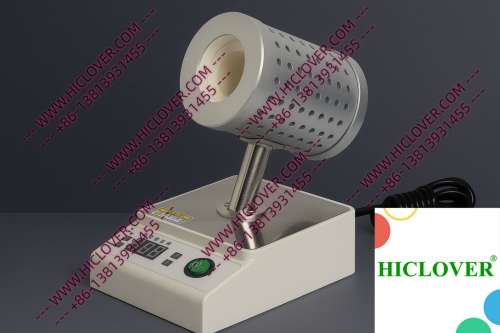
The Micro Incinerator, or Infrared Inoculating Loop Sterilizer, operates on a sophisticated design principle that relies on infrared heat. This equipment typically features an enclosed ceramic tube, allowing for high-temperature disinfection without the risks associated with traditional flame-based methods. The ceramic heating chamber can reach temperatures of over 800°C, which allows for the instant sterilization of inoculating loops, needles, and other lab instruments.
Key Advantages:
- Rapid thermal sterilization
- Enhanced safety with no open flames
- Aerosol-free handling minimizes contamination risk
- Compact design suitable for diverse lab settings
Applications in Real Laboratories
Micro Incinerators have a variety of applications across different laboratory environments:
Biosafety Cabinets
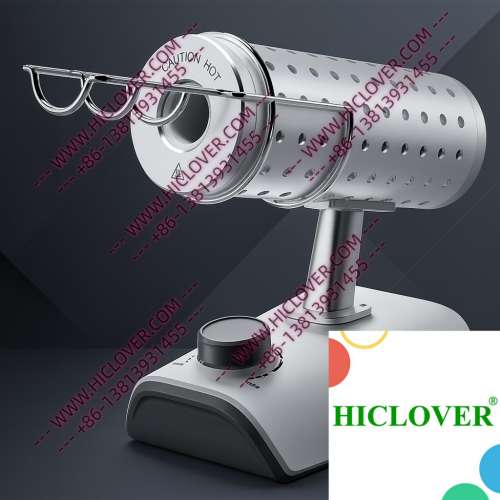
Within BSL-2 and BSL-3 microbiology labs, the requirement for stringent decontamination processes is paramount. The Micro Incinerator can be seamlessly integrated into biosafety cabinets, allowing researchers to quickly sterilize tools in a controlled environment. This eliminates the potential for airborne contaminants and ensures safety while working with pathogens.
Field Testing Scenarios
In mobile or field testing labs, where portable and efficient sterilization is crucial, Micro Incinerators offer unparalleled advantages. For example, when conducting environmental sampling, having a sterilization method that doesn’t rely on potentially hazardous flames is vital. Researchers can remain compliant with safety standards while collecting samples without risking contamination or exposure.
Compliance with Global Biosafety Standards
As the healthcare and research communities strive for regulatory compliance, understanding the applicable standards for lab sterilization becomes crucial. The World Health Organization (WHO) and other international bodies outline strict guidelines for biosafety in laboratories, emphasizing the need for proper sterilization practices, particularly in cleanroom environments where flames are unacceptable.
By adopting Micro Incinerators, labs can align with these standards, benefitting from:
- Elimination of flame-based risks in controlled atmospheres.
- Ensured compliance with WHO biosafety regulations.
- Enhanced operational efficiency through rapid sterilization processes, reducing downtime.
Furthermore, the use of a flame-free sterilizer in CO₂ incubators and anaerobic chambers is supported, providing an added layer of safety for sensitive experiments.
Comparison: Micro Incinerator vs. Traditional Flame Burners
| Feature | Micro Incinerator | Flame Burners |
|---|---|---|
| Heat Source | Infrared (High Temperature) | Open Flame |
| Contamination Control | Aerosol-Free Handling | Higher Risk of Contamination |
| Operational Speed | Instant Sterilization | Slower, Requires Flame Preparation |
| Safety | No Open Flames | Fire Hazard |
Frequently Asked Questions
- What types of instruments can a Micro Incinerator sterilize? – It is effective for inoculating loops, needles, and other small metal instruments commonly used in microbiology.
- Are Micro Incinerators suitable for outdoor field testing? – Yes, their compact and portable design makes them ideal for outdoor applications.
- How does the sterilization time of a Micro Incinerator compare to other methods? – The Micro Incinerator provides instantaneous sterilization in seconds, significantly faster than traditional methods.
- Can Micro Incinerators be used in cleanrooms? – Yes, they are specifically designed to operate in cleanroom conditions without creating any flame-related hazards.
- Is training required for using a Micro Incinerator? – Basic training is recommended to ensure proper operation and maximum safety benefits.
Conclusion
As laboratories continue to navigate evolving safety standards and operational demands, Shenzhen’s innovative Micro Incinerator presents a robust solution for modern sterilization challenges. By shifting away from traditional flame-based sterilization methods, laboratories can not only enhance their biosafety protocols but also optimize their sterilization workflow. If you are interested in upgrading your laboratory sterilization equipment or want to know more details regarding our Micro Incinerator and how it can fit into your specific application, please feel free to reach out.
Categories:
Tags: