
Laboratories are constantly challenged by the demands of biosafety and contamination control. With the increasing complexity of laboratory workflows, especially in microbiology labs, traditional sterilization methods like alcohol lamps and Bunsen burners may not suffice. Enter the heated ceramic sterilizer, specifically the Micro Incinerator or Infrared Inoculating Loop Sterilizer, a modern solution that combines efficiency with safety. But should you invest in this equipment? Below, we explore the pros and cons of using a heated ceramic sterilizer in professional labs.
Understanding the Technical Principles
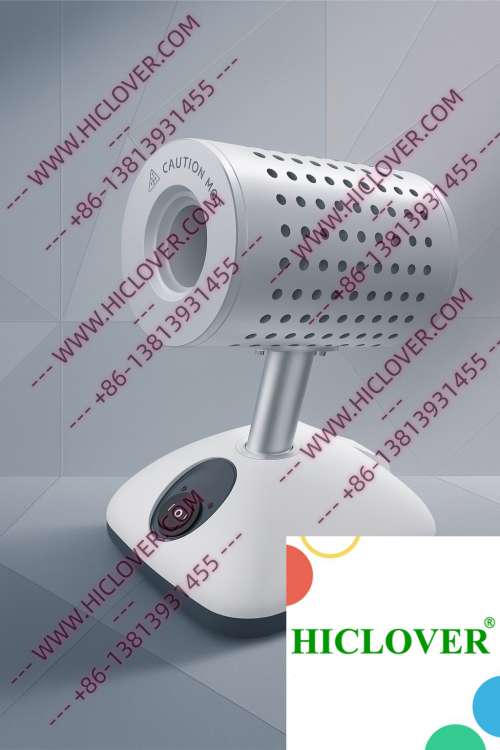
The Micro Incinerator operates on the principle of rapid thermal sterilization, utilizing a ceramic heating chamber that emits infrared heat. This technology facilitates high-temperature disinfection without generating flames, which is particularly advantageous in sensitive lab environments such as clean rooms and biosafety cabinets.
One of the significant benefits is the enclosed ceramic tube design, which not only provides maximum thermal efficiency but also minimizes the risk of aerosol generation and contamination during operations. This feature ensures that the sterile environment is maintained, crucial in settings dealing with potentially pathogenic microorganisms.
Application Scenarios in Real Laboratories
Biosafety Cabinets
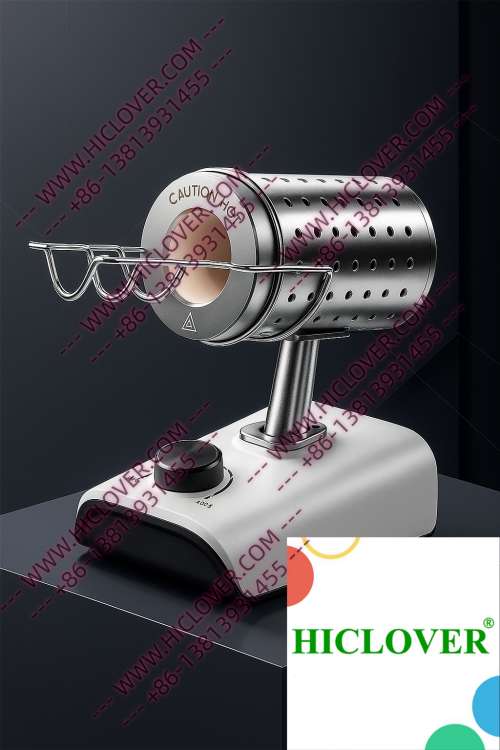
In BSL-2 and BSL-3 labs, where the handling of infectious agents is routine, the Micro Incinerator can be a valuable tool. Its ability to sterilize inoculating loops and needles rapidly helps researchers minimize contamination risks when performing assays. The enclosed design ensures that aerosols are kept to a minimum, thus supporting a safer workspace within the biosafety cabinet.
Teaching Laboratories
In academic settings, particularly university teaching labs, the Micro Incinerator can streamline laboratory workflow during microbiology courses. Students can safely sterilize their tools without the risks associated with flame-based sterilizers. Furthermore, the infrared technology enables quick turnover, making it easier to keep up with class schedules while teaching safe lab practices.
Compliance and Environmental Considerations
Compliance with biosafety standards is crucial for any laboratory. Organizations like the WHO and various local regulatory bodies emphasize the need for effective sterilization methods in laboratories handling contagious diseases. Traditional flame sterilizers can pose risks in clean rooms due to their design, which produces volatile organic compounds and generates flames. In contrast, the Micro Incinerator meets most lab sterilization standards, allowing it to be safely used in environments where flame is restricted.
By investing in a heated ceramic sterilizer, laboratories can enhance their commitment to both safety and compliance, ensuring that operations align with contemporary biosafety practices.
Advantages Over Traditional Flame Sterilizers
When comparing the Micro Incinerator to traditional flame sterilizers, several significant advantages emerge:
- Safety: No open flames reduce the risk of fire hazards and ensure safe sterilization in clean environments.
- Control: Precise heat regulation allows for consistent sterilization temperatures.
- Speed: Rapid thermal sterilization minimizes downtime between tasks.
- Reduced Contamination: Enclosed ceramic design minimizes aerosol production during use.
Micro Incinerator vs. Flame Sterilizers: A Comparison Table
| Feature | Micro Incinerator | Traditional Flame Sterilizers |
|---|---|---|
| Operational Safety | No open flame; highly safe | Open flame raises risk |
| Speed of Use | Instant heat | Requires time to ignite |
| Contamination Risk | Minimized aerosol | Higher risk of contamination |
| Heat Control | Consistent, adjustable | Variable, less controlled |
| Environmental Safety | Clean-bench-safe | May emit harmful vapors |
FAQs About Heated Ceramic Sterilizers
1. What is a Micro Incinerator?
A Micro Incinerator is a heated ceramic sterilizer used for rapid thermal sterilization of microbiological tools, ensuring effective disinfection while minimizing contamination risks.
2. How does it enhance lab safety?
It eliminates the dangers associated with open flames and reduces the risk of aerosol contamination, making it ideal for use in BSL-2 and BSL-3 labs.
3. Can I use a Micro Incinerator in a clean room?
Yes, due to its enclosed design and absence of flames, it is compliant with clean room standards, ensuring safe sterilization without compromising air quality.
4. How fast is the sterilization process?
The Micro Incinerator provides instantaneous heat, allowing tools to be sterilized in seconds, making it ideal for high-throughput environments.
5. Are there specific applications where it is most beneficial?
It is particularly useful in biosafety cabinets, undergraduate teaching labs, and during field testing where a controlled environment is critical.
Conclusion
Investing in a heated ceramic sterilizer such as the Micro Incinerator can significantly improve laboratory sterilization workflows while enhancing safety and compliance with existing regulations. Its advanced design and operation principles make it a preferable alternative to traditional flame-based sterilizers. As laboratories across the globe, including those in London, Singapore, and New York, continue to align with evolving biosafety standards, integrating this cutting-edge equipment becomes not just beneficial, but essential.
If you’re interested in enhancing your laboratory’s capabilities and ensuring compliance with biosafety standards, contact us today for expert advice or to view our selection of Micro Incinerators.
Categories:
Tags: