
Laboratory environments are often beset with biosafety challenges, particularly when it comes to ensuring sterile conditions for microbial handling and analysis. The implications of improper waste management in medical labs can be serious. Thus, the demand for efficient sterilization workflows has never been more paramount. Traditional methods, such as the use of alcohol lamps and Bunsen burners, present challenges, including inconsistent sterilization and contamination risks. This is where micro incinerators, particularly the Micro Incinerator / Infrared Inoculating Loop Sterilizer, offer a reliable solution.
Technical Principles of Micro Incinerator Technology
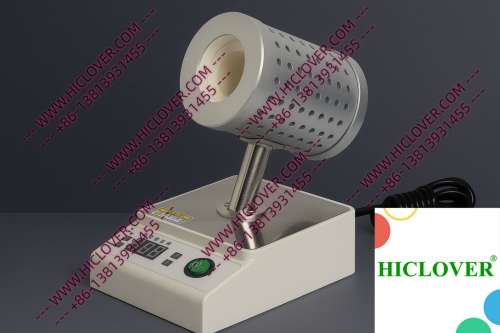
The safety and efficacy of laboratory sterilization equipment hinge on their technical configurations. The Micro Incinerator utilizes infrared heat in a ceramic heating chamber to achieve rapid thermal sterilization. This technology allows for temperatures reaching up to 800°C (1472°F), effectively ensuring that all remnants of microbial life are eliminated within seconds. The enclosed ceramic tube design not only facilitates high-temperature disinfection but also guarantees aerosol-free handling, essential for maintaining sterility in confined workspaces like biosafety cabinets.
Applications of Micro Incinerators in Laboratory Settings
1. Biosafety Cabinets: In BSL-2 and BSL-3 microbiology labs, micro incinerators enhance sterile protocols. By integrating these units into biosafety cabinets, researchers can ensure that inoculating loops and other instruments are quickly and effectively sterilized without contaminating the work environment. This setup minimizes the risk of aerosolization associated with traditional flame sources, which can pose serious contamination threats.
2. University Teaching Labs: Micro incinerators serve as valuable teaching tools in academic settings. University laboratories focused on biological sciences often require efficient sterilization methods during practical experiments. The infrared inoculating loop sterilizer allows students to practice sterile techniques without the risks associated with flames. Its compact size and ease of use significantly enable safer educational environments that align with modern biosafety standards.
Compliance with Biosafety and Sterilization Standards
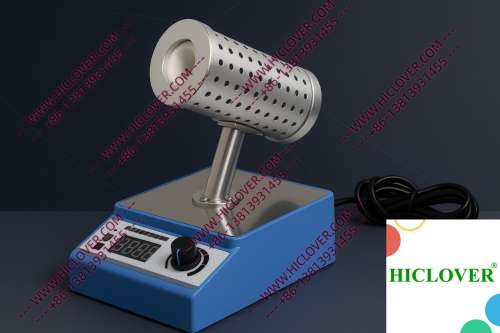
When selecting sterilization equipment, compliance with authoritative standards from organizations like WHO is crucial. The Micro Incinerator meets or exceeds laboratory sterilization standards, ensuring that it effectively reduces biohazard risks. This device’s design is particularly advantageous when clean rooms or areas are involved, as its flame-free operation negates the risks associated with the volatile nature of gas flames in sensitive environments.
The incorporation of modern heating technologies into sterilization routines is essential for laboratories striving for compliance and safety.
Economic Considerations and Environmental Impact
The costs associated with hospital waste management in Baltimore can be markedly reduced by transitioning to micro incinerators. Traditional waste disposal methods often entail complex regulations and increased financial burdens. In contrast, micro incinerators such as the Micro Incinerator can operate onsite, reducing the need for third-party waste management solutions while complying with environmental standards. This localized approach minimizes carbon footprints related to the transportation of hazardous materials.
Key Advantages of Micro Incinerators
- Rapid Sterilization: Quick temperature attainment ensures effective sterilization in under a minute.
- Increased Safety: Eliminates risks of open flames and associated accidents.
- Cost Efficiency: Significantly lowers waste disposal costs.
- Low Maintenance: Simple operational needs with minimal upkeep.
- Enhanced Contamination Control: Reduces risks associated with aerosol-generating methods.
Comparison Table: Micro Incinerator vs. Flame Burners
| Feature | Micro Incinerator | Flame Burners |
|---|---|---|
| Temperature Control | Consistent and adjustable | Variable, depending on technique |
| Safety | Flame-free operation | Open flame risks |
| Sterilization Speed | Under 60 seconds | Varies, usually longer |
| Compliance with Sterilization Standards | Meets WHO standards | Lacks consistent compliance |
| Aerosol Generation | Aerosol-free | Potentially hazardous |
Frequently Asked Questions
- What surfaces can the Micro Incinerator sterilize?
The Micro Incinerator is designed to sterilize various laboratory instruments, including inoculating loops, needles, and other small tools used in microbial handling.
- How does infrared heat sterilization compare to traditional methods?
Infrared heat provides a faster and more consistent sterilization method than traditional flame-based techniques, minimizing risks of variable heating and contamination.
- Is training required to use the Micro Incinerator effectively?
While the Micro Incinerator is user-friendly, training is recommended to ensure proper handling and adherence to safety protocols.
- Can the Micro Incinerator be used in BSL-3 laboratories?
Yes, the Micro Incinerator meets safety standards required for use in BSL-3 laboratories, given its contamination control features.
- What makes the Micro Incinerator environmentally friendly?
Its localized operation reduces the need for waste transportation, minimizing the carbon footprint associated with waste disposal.
Conclusion
Adopting the Micro Incinerator / Infrared Inoculating Loop Sterilizer in laboratory environments is not merely about efficiency—it’s about ensuring safety, compliance, and cost-effectiveness. As laboratories in Baltimore and beyond face stringent regulations and growing public health demands, the right sterilization equipment can make all the difference. To learn more about how our Micro Incinerator can support your lab’s needs, please reach out today.
Categories:
Tags: